
An implant fixture (titanium post) is the core component of modern dental implants, making them one of the most reliable solutions for replacing missing teeth. Placed directly into the jawbone, it acts as an artificial root, providing a strong and stable foundation for the entire restoration.
Thanks to this small yet crucial structure, dental implants can withstand daily chewing forces while maintaining long-term durability and a natural appearance.
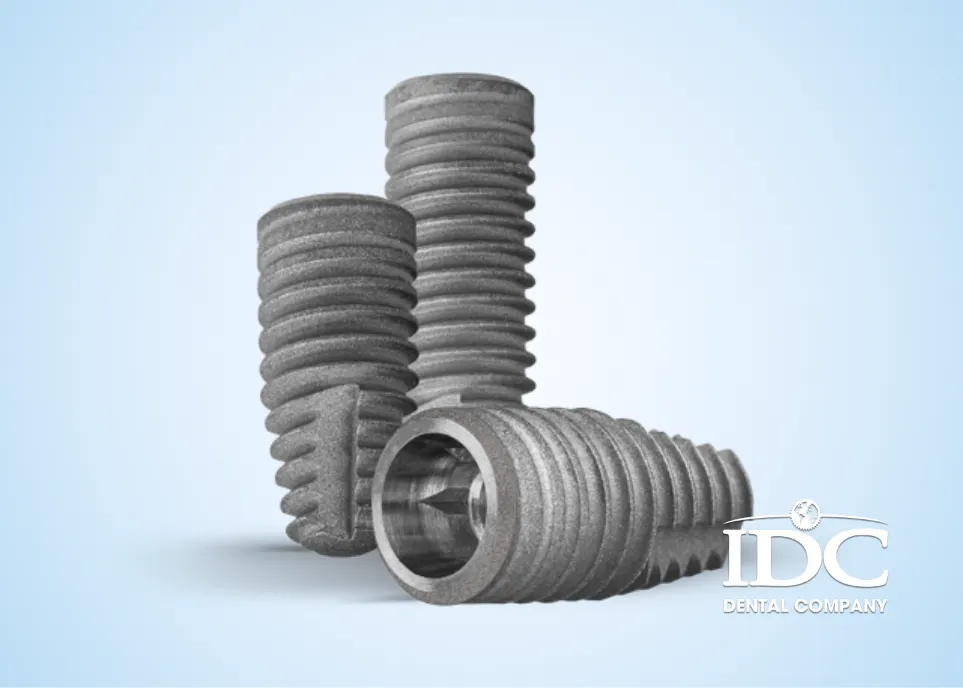
In this guide, you’ll discover how implant fixtures work, the different types available, their costs, and why they are considered the true foundation of a successful dental implant.
What Is an Implant Fixture (Titanium Post)?
Simple Definition of Implant Fixture
An implant fixture is a screw-like post, typically made of titanium, that is inserted into the jawbone to replace the root of a missing tooth.
Once healed, it becomes a permanent base for attaching a dental crown.
Why Titanium Is Used in Dental Implants
Titanium is the most commonly used material for implant fixtures due to its unique properties:
- Biocompatibility: It integrates safely with human bone
- Strength: Able to withstand high chewing forces
- Corrosion-resistant: Long-lasting in the oral environment
- Osseointegration ability: Bonds naturally with bone
Where Is the Implant Fixture Placed?
The implant fixture is surgically inserted into the jawbone beneath the gum tissue.
After placement, it remains hidden while it heals and fuses with the bone, forming a stable anchor for the artificial tooth.
How Does an Implant Fixture Work?
Osseointegration Process Explained
One of the most important aspects of implant success is osseointegration—a biological process where the jawbone grows around and fuses with the titanium post.
This process:
- Creates a solid and permanent connection
- Prevents movement or loosening
- Mimics the function of a natural tooth root
Role in Supporting the Entire Implant System
The implant fixture supports all other components of the implant system:
- Holds the abutment securely
- Supports the dental crown
- Distributes chewing forces evenly
Without a strong implant fixture, the entire dental implant would fail.
Components of a Dental Implant System
To fully understand the importance of the implant fixture, it’s helpful to see how it works within the complete system:
- Implant Fixture (Titanium Post): The root is placed in the jawbone
- Abutment: The connector between the fixture and crown
- Dental Crown: The visible tooth
Together, these components create a fully functional tooth replacement.
Types of Implant Fixtures
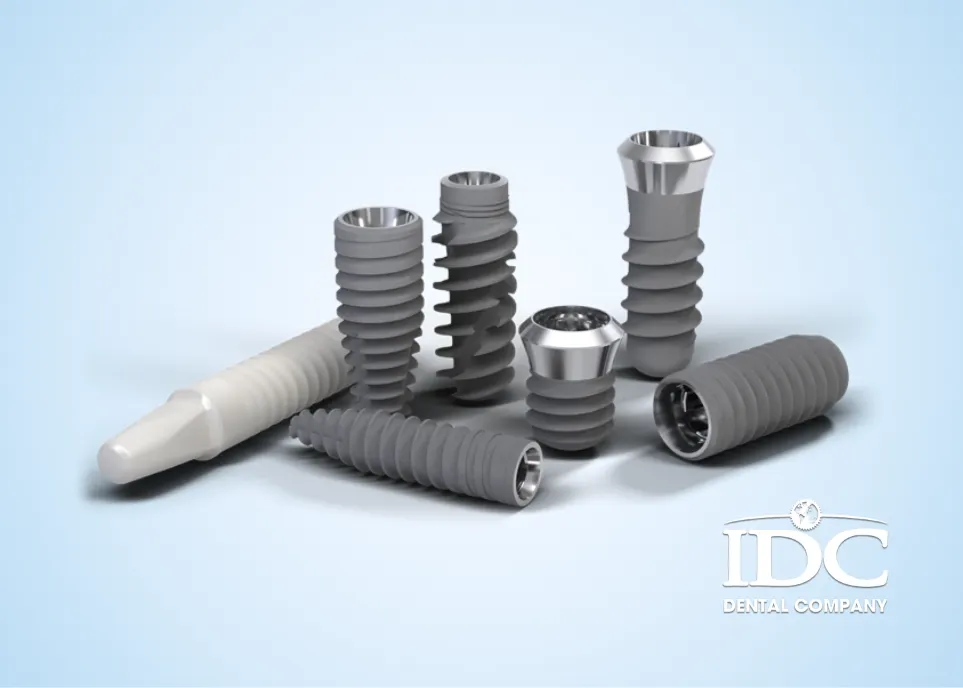
Based on Shape
Cylindrical Implants
- Straight design
- Suitable for dense bone
Tapered Implants
- Cone-shaped
- Better stability in softer bone
- Most commonly used today
Based on Placement
Endosteal Implants
- Placed directly into the jawbone
- Most widely used type
Subperiosteal Implants
- Placed under the gum but above the bone
- Used in cases with insufficient bone
Based on Surface Technology
Smooth Surface Implants
- Less commonly used today
- Lower bone adhesion
Roughened Surface Implants
- Enhanced osseointegration
- Faster healing and better stability
Materials Used in Implant Fixtures
Titanium Implants (Most Common)
Titanium remains the gold standard due to its strength and long-term success rate. It has been used in dentistry for decades with excellent outcomes.
Zirconia Implants (Alternative Option)
Zirconia implants are a metal-free alternative, offering:
- Better aesthetics (tooth-colored)
- Suitable for patients with metal sensitivities
However, they may not be as strong or widely used as titanium.
Titanium vs Zirconia – Which Is Better?
- Titanium: Stronger, more durable, widely tested
- Zirconia: More aesthetic, but less versatile
The best choice depends on your clinical condition and aesthetic needs.
Implant Fixture Placement Procedure
Step-by-Step Implant Surgery
- Initial consultation and X-rays
- Implant fixture placement into the jawbone
- Healing period (osseointegration)
- Abutment placement
- Crown attachment
How Long Does Implant Surgery Take?
The implant placement procedure typically takes 30 to 90 minutes per implant, depending on the complexity.
Healing Time and Osseointegration
How Long Does It Take to Heal?
Healing usually takes 2 to 6 months, allowing the implant fixture to fully integrate with the bone.
Factors Affecting Healing
- Bone density
- Overall health
- Smoking habits
- Oral hygiene
How Much Does an Implant Fixture Cost?
Average Cost Worldwide
In countries like the US, Australia, or the UK:
- Implant fixture cost: $1,000 – $3,000 per implant
Implant Cost in Vietnam
Vietnam is a leading destination for affordable dental care:
- Implant fixture cost: $500 – $1,200 per implant
- Same high-quality brands at lower prices
Factors Affecting Cost
- Implant brand (e.g., Straumann, Nobel Biocare)
- Clinic expertise
- Technology used (guided surgery, 3D imaging)
- Additional procedures (bone grafting)
Is Getting an Implant Fixture Painful?
Pain During Surgery
The procedure is performed under local anesthesia, so patients feel little to no pain during the surgery.
Recovery After Implant Placement
- Mild swelling and discomfort
- Manageable with medication
- Most patients return to normal activities within a few days
Risks and Complications of Implant Fixtures
Implant Failure
Occurs when the implant does not integrate with the bone.
Infection (Peri-implantitis)
Caused by poor oral hygiene or bacterial buildup.
Nerve Damage (Rare)
Occurs if the implant is placed too close to nerves.
How to Prevent Complications
- Choose an experienced dentist
- Follow post-surgery instructions
- Maintain good oral hygiene
How Long Does an Implant Fixture Last?
Lifespan of Titanium Implants
With proper care, implant fixtures can last 10 to 25 years or even a lifetime.
Maintenance Tips
- Brush and floss daily
- Avoid smoking
- Regular dental check-ups
Who Is a Good Candidate for Implant Fixtures?
You may be a good candidate if you:
- Have missing teeth
- Have sufficient bone density
- Maintain good oral hygiene
- Are in good overall health
Why Implant Fixtures Are the Foundation of Dental Implants
The implant fixture is the most important part of the implant system. It provides:
- Structural support
- Long-term stability
- Natural function
Without it, a dental implant simply cannot exist.
FAQs About Implant Fixtures
What is an implant fixture (titanium post)?
It is a part of a dental implant placed in the jawbone, acting as an artificial root.
Is titanium safe in the body?
Yes, titanium is highly biocompatible and widely used in medical procedures.
How long does it take to integrate?
Typically, 2–6 months for full osseointegration.
Can implant fixtures fail?
Yes, but failure is rare when performed by experienced professionals.
Are implants better than dentures?
Yes, implants are more stable, durable, and natural-looking.



 WhatsApp