Risks of Dental Tourism are one of the most important factors patients should understand before deciding to travel abroad for dental care. While dental tourism has grown rapidly worldwide—attracting millions of patients to destinations like Vietnam, Thailand, Mexico, and Turkey thanks to significantly lower treatment costs—it is not without challenges.
Although the benefits, such as affordability and convenience, are undeniable, there are potential risks that should not be overlooked. Without proper research and careful planning, patients may encounter complications, hidden expenses, or results that do not meet expectations.
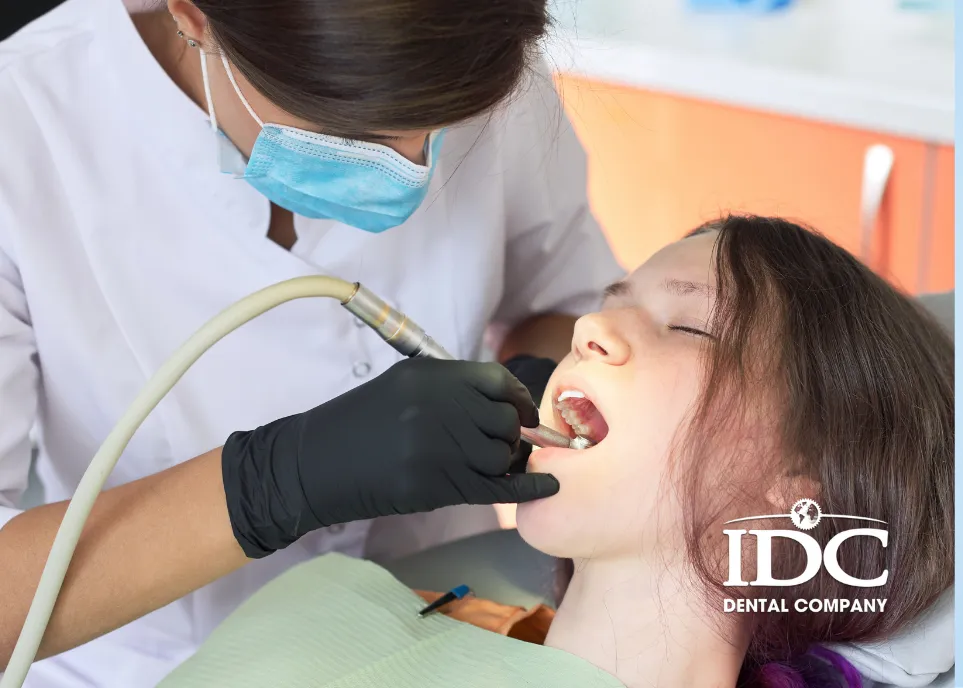
So, what exactly are the risks of dental tourism, and how can you minimize them? In this guide, we’ll break down everything you need to know to ensure a safe, smooth, and successful dental journey abroad.
Why People Choose Dental Tourism
Cost Savings Compared to Western Countries
One of the biggest reasons patients choose dental tourism is the cost difference. Procedures such as dental implants, veneers, and crowns can be 50–80% cheaper abroad. This allows patients to receive treatments that might otherwise be unaffordable.
Faster Access to Treatment
In many countries, patients face long waiting times for dental procedures. Dental tourism provides:
- Immediate scheduling
- Faster treatment timelines
Combining Treatment with Travel
Dental tourism also offers the opportunity to:
- Explore new destinations
- Relax during recovery
- Turn a medical trip into a vacation
Common Risks of Dental Tourism
Choosing Low-Quality or Unlicensed Clinics
Not all clinics abroad maintain the same standards. Some may:
- Operate without proper licensing
- Use outdated equipment
- Lack of experienced dentists
=> This is one of the biggest risks and often the root cause of poor outcomes.
Inconsistent Hygiene and Sterilization Standards
Poor hygiene can lead to:
- Infections
- Cross-contamination
- Serious health complications
Clinics that do not follow strict sterilization protocols pose significant risks.
Communication Barriers
Language differences can result in:
- Misunderstanding treatment plans
- Incorrect expectations
- Poor patient experience
Clear communication is critical for safe and successful treatment.
Lack of Follow-Up Care
After returning home, patients may:
- Struggle to access follow-up treatment
- Have difficulty resolving complications
- Need additional procedures locally
Hidden Costs and Unclear Pricing
Some clinics advertise low prices, but later add:
- Extra fees for materials
- Additional charges for procedures
- Hidden service costs
Travel-Related Risks
Travel itself can affect recovery:
- Flying too soon after treatment
- Fatigue and discomfort
- Limited time for healing
Risks Specific to Certain Dental Procedures
Dental Implants Risks
Dental implants require precision and expertise. Risks include:
- Implant failure
- Infection
- Need for multiple visits
Cosmetic Dentistry Risks (Veneers & Crowns)
Poorly executed cosmetic treatments may result in:
- Unnatural appearance
- Over-prepared or damaged teeth
- Short lifespan of restorations
Root Canal and Complex Treatments
If not completed properly:
- Infection may persist
- Pain may return
- Additional treatment may be required
How to Avoid Dental Tourism Risks
Research Clinics Thoroughly
Before making a decision:
- Read verified reviews (Google, Trustpilot)
- Check before-and-after cases
- Look for detailed patient feedback
Choose Reputable, International-Standard Clinics
Look for clinics that offer:
- Modern technology
- Experienced dentists
- Strong reputation
Ensure Clear Communication
- Choose clinics with English-speaking staff
- Ask detailed questions about your treatment
- Confirm all procedures before arrival
Request a Detailed Treatment Plan
A trustworthy clinic will provide:
- Clear diagnosis
- Step-by-step treatment plan
- Transparent cost breakdown
Plan for Follow-Up Care
Ask about:
- Remote consultations
- Warranty policies
- Emergency support
Allow Enough Recovery Time
Avoid rushing your trip. Plan:
- Extra days for recovery
- Follow-up appointments before leaving
Red Flags to Watch Out For
Be cautious if you notice:
- Prices that seem too good to be true
- No online presence or reviews
- Poor communication
- Lack of transparency
These are warning signs of unreliable clinics.
Is Dental Tourism Safe When Done Correctly?
Yes, dental tourism can be safe and highly beneficial when:
- You choose a reputable clinic
- You do thorough research
- You plan your trip carefully
Many patients have successful outcomes and are highly satisfied with their experience abroad.
Tips for a Safe Dental Tourism Experience
- Consult multiple clinics before deciding
- Use video consultations if possible
- Get a second opinion
- Maintain good oral hygiene during your trip
- Follow all aftercare instructions
Frequently Asked Questions (FAQs)
What are the biggest risks of dental tourism?
Choosing low-quality clinics and a lack of follow-up care are the most common risks.
How can I verify a clinic’s reputation?
Check reviews, certifications, and real patient cases.
What happens if complications occur?
Reputable clinics offer support, but you may need local follow-up care.
Is dental tourism worth the risk?
Yes, when done properly. The cost savings and quality care often outweigh the risks

 WhatsApp