If you’re considering a dental crown to restore a damaged tooth or improve your smile, you’ve likely come across porcelain crowns as one of the most popular treatment options. Known for their natural appearance and ability to blend seamlessly with surrounding teeth, porcelain crowns are widely used in both restorative and cosmetic dentistry.
However, many patients still ask an important question: Are porcelain crowns worth it?
The answer depends on several factors, including your dental needs, cosmetic goals, budget, and long-term expectations. While porcelain crowns offer excellent aesthetics and reliable performance, they also have limitations that patients should understand before making a decision.
In this guide, we’ll explore the advantages, disadvantages, costs, durability, and alternatives to help you determine whether porcelain crowns are the right investment for your smile.
What Are Porcelain Crowns?
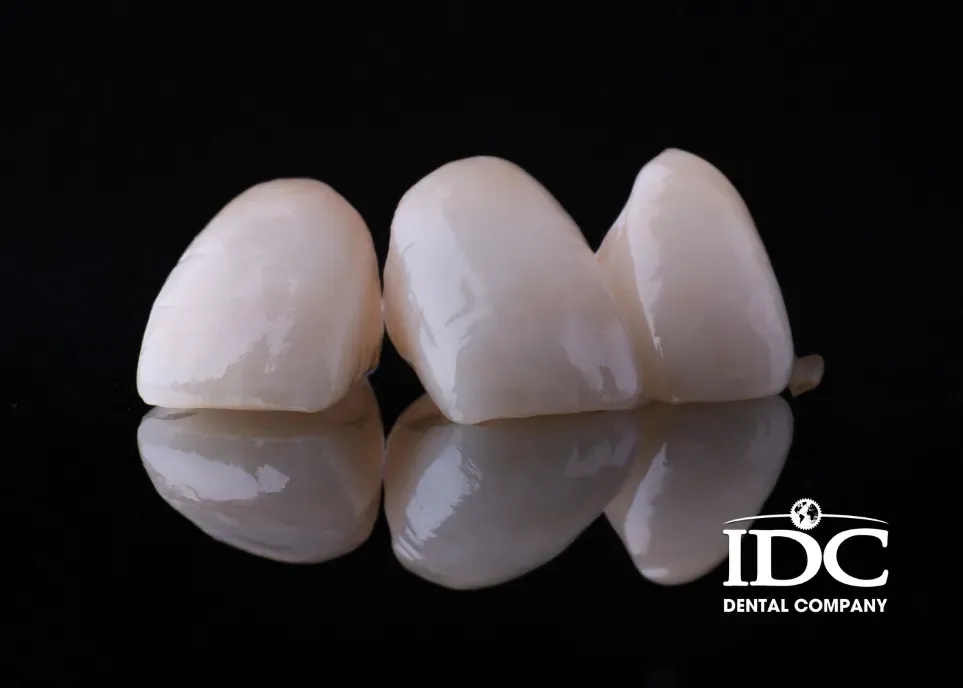
A porcelain crown is a custom-made dental restoration that completely covers a damaged, weakened, or aesthetically compromised tooth.
The crown acts like a protective cap, restoring the tooth’s:
- Shape
- Strength
- Size
- Appearance
- Function
Porcelain crowns are made from high-quality ceramic materials designed to mimic the natural color and translucency of real teeth.
Because of their lifelike appearance, they are commonly used for visible teeth in the smile zone.
When Are Porcelain Crowns Recommended?
Dentists may recommend porcelain crowns for:
- Large cavities that cannot be restored with fillings
- Cracked or fractured teeth
- Teeth weakened after root canal treatment
- Severely worn-down teeth
- Discolored or misshapen teeth
- Cosmetic smile makeovers
- Implant-supported restorations
Porcelain crowns help restore both oral health and confidence while protecting the remaining tooth structure.
What Are Porcelain Crowns Made Of?
Modern porcelain crowns are created using advanced ceramic materials that closely resemble natural tooth enamel.
Depending on the specific case, dentists may use:
Traditional Porcelain Crowns
Made entirely of ceramic material and valued for their natural appearance.
Porcelain-Fused-to-Metal (PFM) Crowns
Contain a metal framework covered with porcelain.
All-Ceramic Crowns
Provide excellent aesthetics and eliminate the need for metal.
Porcelain-Layered Zirconia Crowns
Combine zirconia strength with a porcelain outer layer for improved aesthetics.
The main reason patients choose porcelain is its ability to replicate the way natural teeth reflect and transmit light.
Pros of Porcelain Crowns
Highly Natural Appearance
One of the biggest reasons patients choose porcelain crowns is their exceptional aesthetics.
Unlike metal restorations, porcelain can be customized to match the exact shade of neighboring teeth.
Excellent Color Matching
Dental laboratories can precisely adjust the color and translucency of porcelain crowns to create a seamless result.
Natural Translucency
Porcelain reflects light similarly to natural enamel, helping the restoration look realistic rather than artificial.
Ideal for Front Teeth
Porcelain crowns are particularly popular for restoring visible teeth because they blend naturally into the smile.
For patients concerned about appearance, porcelain remains one of the most attractive crown materials available.
Metal-Free and Biocompatible
Porcelain crowns are completely metal-free, making them a popular option for patients seeking a more natural restoration.
Benefits include:
- No metal allergies
- No metallic taste
- No visible dark edges
- Better aesthetic integration with gum tissue
Many patients appreciate the peace of mind that comes with a biocompatible, metal-free restoration.
Improved Smile Aesthetics
Porcelain crowns can dramatically improve the appearance of a smile.
They can correct:
- Tooth discoloration
- Minor alignment issues
- Uneven tooth shapes
- Chipped teeth
- Worn enamel
As a result, many patients experience increased confidence in both personal and professional settings.
Durable for Everyday Use
Although porcelain is often associated with beauty, modern porcelain crowns are also surprisingly durable.
They are designed to withstand normal chewing and biting forces while protecting weakened teeth from further damage.
With proper care, porcelain crowns can function reliably for many years.
Stain Resistance
Unlike natural enamel, porcelain is highly resistant to staining from common foods and beverages.
This means your crown is less likely to discolor from:
- Coffee
- Tea
- Red wine
- Tobacco products
As a result, porcelain crowns often maintain their attractive appearance longer than natural teeth.
Cons of Porcelain Crowns
While porcelain crowns offer many benefits, they are not perfect.
Understanding their limitations can help you make an informed decision.
Higher Risk of Chipping Compared to Zirconia
Although modern porcelain is strong, it is generally less durable than zirconia.
Under excessive force, porcelain may:
- Chip
- Crack
- Fracture
This risk increases in patients who:
- Grind their teeth
- Clench their jaws
- Bite hard objects
For these individuals, zirconia may be a better alternative.
Requires Tooth Reduction
To place a porcelain crown, the dentist must remove a portion of the natural tooth structure.
This preparation creates space for the crown and ensures a proper fit.
Because enamel removal is irreversible, crown treatment is considered a permanent procedure.
Once a tooth has been prepared for a crown, it will always require some type of restoration.
Not Ideal for Severe Bruxism
Bruxism, or chronic teeth grinding, can significantly shorten the lifespan of porcelain crowns.
Constant grinding places excessive stress on ceramic materials, increasing the risk of:
- Chipping
- Cracking
- Premature wear
Patients with bruxism may need a night guard to protect their crowns.
Cost Can Be Higher Than Some Alternatives
Porcelain crowns generally cost more than basic metal restorations.
The higher price reflects:
- Advanced materials
- Laboratory craftsmanship
- Cosmetic customization
- Digital smile design technology
While many patients consider the investment worthwhile, cost remains an important consideration.
Potential Need for Replacement
Like all dental restorations, porcelain crowns do not last forever.
Over time, they may require replacement due to:
- Wear
- Damage
- Gum recession
- Changes in surrounding teeth
Although long-lasting, porcelain crowns should still be viewed as a long-term—but not necessarily lifetime—solution.
Are Porcelain Crowns Strong Enough?
A common concern among patients is whether porcelain crowns are durable enough for everyday use.
The answer is generally yes.
Modern dental ceramics have improved dramatically over the past two decades.
Today’s porcelain crowns can withstand normal chewing forces and function successfully for many years.
However, strength varies depending on:
- Crown design
- Tooth location
- Bite force
- Patient habits
For molars that experience heavy chewing pressure, zirconia crowns may offer greater long-term durability.
For front teeth, porcelain crowns typically provide an excellent balance of strength and aesthetics.
How Long Do Porcelain Crowns Last?
The average lifespan of a porcelain crown is approximately:
10 to 15 years
However, many crowns last significantly longer when properly maintained.
Some patients report crowns functioning well for 20 years or more.
Factors That Influence Longevity
Oral Hygiene
Daily brushing and flossing help prevent decay around the crown margins.
Teeth Grinding
Bruxism can significantly shorten crown lifespan.
Diet
Chewing ice, hard candy, or other hard objects increases fracture risk.
Regular Dental Visits
Routine examinations help identify problems before they become serious.
Signs a Porcelain Crown May Need Replacement
Watch for symptoms such as:
- Cracks
- Chips
- Loose crown
- Gum recession
- Discomfort when biting
- Visible wear
If any of these issues occur, a dental evaluation is recommended.
Porcelain Crowns vs Other Types of Dental Crowns
Porcelain Crowns vs Zirconia Crowns
Porcelain Advantages
- Better aesthetics
- More natural translucency
- Excellent for front teeth
Zirconia Advantages
- Greater strength
- Better fracture resistance
- Longer lifespan in high-pressure areas
Porcelain Crowns vs E-Max Crowns
E-Max crowns are made from lithium disilicate ceramic and are often considered an advanced form of cosmetic ceramic restoration.
Porcelain Crowns
- Beautiful appearance
- Proven clinical history
E-Max Crowns
- Superior translucency
- Improved aesthetics
- Excellent durability
For cosmetic smile makeovers, E-Max is often considered the premium option.
Porcelain Crowns vs Metal Crowns
Porcelain
- Natural-looking
- Tooth-colored
- Preferred for visible teeth
Metal
- Extremely durable
- Less expensive
- Poor aesthetics
Most patients today prefer porcelain because appearance plays a significant role in treatment satisfaction.
Are Porcelain Crowns Worth the Cost?
For many patients, the answer is yes.
Porcelain crowns provide a combination of:
- Natural appearance
- Functional restoration
- Long-term durability
- Improved confidence
- Protection of damaged teeth
When compared to the cost of replacing a lost or severely damaged tooth, preserving the natural tooth with a crown can be a valuable investment.
Patients who prioritize aesthetics often find that the benefits outweigh the additional cost.
Who Is a Good Candidate for Porcelain Crowns?
Porcelain crowns are often ideal for:
Patients with Damaged Teeth
They restore strength and function while preventing further damage.
Individuals Seeking Cosmetic Improvements
They can dramatically improve smile appearance.
Patients with Healthy Gums
Healthy supporting tissues contribute to long-term success.
People Looking for Metal-Free Dentistry
Porcelain provides a natural and biocompatible alternative to metal restorations.
Who May Need an Alternative?
Porcelain crowns may not be the best choice for everyone.
Alternative materials may be recommended for:
- Severe teeth grinders
- Patients with extremely strong bite forces
- Large posterior restorations
- Individuals seeking maximum durability
In these cases, zirconia crowns may offer a better solution.
How to Make Porcelain Crowns Last Longer
To maximize the lifespan of your porcelain crown:
Maintain Excellent Oral Hygiene
Brush twice daily and floss regularly.
Avoid Hard Foods
Do not chew ice, pens, or hard candies.
Wear a Night Guard
If you grind your teeth while sleeping, a custom night guard can protect your restoration.
Visit Your Dentist Regularly
Routine checkups help detect issues early.
Address Bite Problems Promptly
Correcting bite imbalances can reduce excessive stress on the crown.
Frequently Asked Questions About Porcelain Crowns
Are porcelain crowns worth it?
Yes. For patients seeking a natural-looking restoration with reliable durability, porcelain crowns are often an excellent investment.
What are the disadvantages of porcelain crowns?
They can chip more easily than zirconia and require permanent tooth preparation.
Do porcelain crowns look natural?
Yes. Porcelain is one of the most aesthetic dental materials available.
How long do porcelain crowns last?
Most last between 10 and 15 years, although many function much longer with proper care.
Are porcelain crowns stronger than veneers?
Yes. Crowns cover the entire tooth and generally provide greater protection than veneers.
Can porcelain crowns stain?
Porcelain is highly stain-resistant and typically maintains its appearance for many years.


 WhatsApp