
Is Teeth Whitening Safe for Your Enamel? This is a common concern for patients considering cosmetic dental treatments. While a brighter smile is linked to confidence, many people worry about enamel damage and tooth sensitivity.
This article explains how teeth whitening affects tooth enamel and how to whiten your teeth safely without compromising long-term oral health.
Why Enamel Is Essential for Oral Health
Enamel protects the inner layers of the tooth, including dentin and pulp. Healthy enamel helps:
- Prevent cavities
- Reduce tooth sensitivity
- Maintain tooth strength and structure
Once enamel is damaged or worn away, it does not regenerate naturally, which is why preserving enamel is crucial.
Can Tooth Enamel Regenerate?
Enamel cannot grow back, but it can be remineralized to some extent through fluoride, saliva, and proper oral care. This makes prevention and protection especially important when considering cosmetic treatments like teeth whitening.
What Is Teeth Whitening?
Teeth whitening is a cosmetic procedure that lightens the color of teeth by removing stains and discoloration.
How Teeth Whitening Works
Most whitening treatments use bleaching agents such as:
- Hydrogen peroxide
- Carbamide peroxide
These agents penetrate the enamel and break down stain molecules, making teeth appear whiter.
Types of Teeth Whitening Treatments
Common whitening options include:
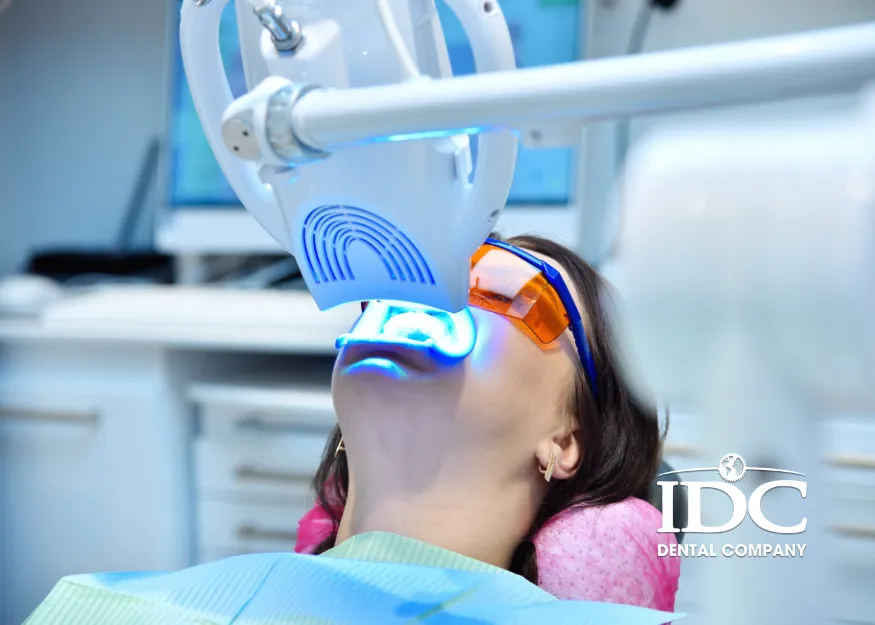
- Professional in-office whitening
- Dentist-supervised take-home whitening kits
- Over-the-counter whitening strips, gels, and toothpaste
Each option differs in concentration, effectiveness, and safety level.
Why Do People Worry About Enamel Damage From Teeth Whitening?
Concerns about enamel safety often come from misinformation or misunderstanding.
Common Myths and Misconceptions
Some common beliefs include:
- Teeth whitening strips enamel
- Whitening permanently weakens teeth
- All sensitivity equals enamel damage
In reality, these claims are often exaggerated or incorrect.
Teeth Sensitivity vs. Enamel Damage
Tooth sensitivity after whitening is common but usually temporary. Sensitivity occurs when whitening agents temporarily affect the tooth’s nerve response—not because enamel is destroyed.
The Role of Online Misinformation
DIY whitening trends and unregulated products have contributed to confusion and fear about enamel safety.
Is Teeth Whitening Safe for Your Enamel?
Scientific Perspective on Whitening Agents
Numerous dental studies show that professionally applied whitening agents, when used correctly, do not damage tooth enamel.
The enamel structure remains intact, although temporary changes in mineral content or surface roughness may occur. These changes typically reverse with saliva and fluoride exposure.
How Whitening Affects Enamel Structure
Whitening does not remove enamel layers. Instead, it:
- Alters stain molecules within enamel
- Temporarily opens enamel pores
These effects are reversible with proper care.
What Studies Say About Enamel Safety
Clinical research consistently concludes that teeth whitening is safe when:
- Appropriate concentrations are used
- Treatment duration is controlled
- Patients follow professional guidance
Does Teeth Whitening Damage Enamel?
Short-Term Effects on Enamel
Immediately after whitening, enamel may:
- Feel slightly rough
- Be more sensitive to temperature
These effects are temporary and usually resolve within a few days.
Long-Term Effects With Proper Use
When whitening is done responsibly:
- Enamel strength remains unchanged
- No permanent damage occurs
- Teeth maintain normal hardness
When Enamel Damage Can Occur
Enamel damage may occur if:
- Whitening products are overused
- Concentrations are too high
- Whitening is done on already damaged enamel
This is why professional evaluation matters.
Professional Teeth Whitening vs. At-Home Whitening: Which Is Safer?
In-Office Whitening and Enamel Protection
Professional whitening offers:
- Controlled bleaching concentration
- Gum and enamel protection
- Immediate results with minimal risk
Dentists carefully monitor the process to protect enamel.
Dentist-Supervised Take-Home Kits
These kits balance convenience and safety by:
- Custom-fitting trays
- Lower peroxide concentrations
- Professional guidance
They are significantly safer than unsupervised products.
Over-the-Counter Whitening Products
OTC products vary widely in quality. While many are safe when used as directed, risks increase when:
- Instructions are ignored
- Products are used too frequently
- Cheap or unregulated products are chosen
Teeth Sensitivity After Whitening: Is It a Sign of Enamel Damage?
Why Sensitivity Occurs After Whitening
Sensitivity happens because whitening agents temporarily increase enamel permeability, allowing stimuli to reach the nerve more easily.
Temporary Sensitivity vs. Permanent Damage
Most whitening-related sensitivity:
- Appears within 24–48 hours
- Resolves within a few days
This does not indicate permanent enamel damage.
How Long Sensitivity Usually Lasts
For most patients, sensitivity lasts:
- 1–3 days
- Occasionally, up to one week
Desensitizing toothpaste and fluoride treatments can help.
Factors That Affect Enamel Safety During Teeth Whitening
Whitening Concentration and Exposure Time
Higher concentrations and longer exposure increase risk. Controlled dosing is key.
Frequency of Whitening Treatments
Over-whitening is one of the biggest causes of enamel issues. Teeth whitening should not be done too frequently.
Existing Enamel Erosion or Dental Issues
Patients with:
- Thin enamel
- Acid erosion
- Untreated cavities
are at higher risk and should consult a dentist first.
Dentist Experience and Technique
Professional technique significantly reduces the risk of enamel damage and sensitivity.
How Dentists Protect Enamel During Professional Teeth Whitening
Pre-Whitening Examination
Dentists assess:
- Enamel thickness
- Gum health
- Existing dental problems
This ensures whitening is appropriate and safe.
Use of Protective Barriers
Gums and soft tissues are shielded during treatment to prevent irritation.
Remineralization and Fluoride Treatments
Many clinics apply fluoride or remineralizing agents after whitening to:
- Strengthen enamel
- Reduce sensitivity
- Promote recovery
How to Whiten Teeth Safely Without Damaging Enamel
Best Practices Before Whitening
- Treat cavities and gum disease first
- Avoid acidic foods and drinks
- Discuss sensitivity concerns with your dentist
Following Professional Guidance
Always follow:
- Recommended whitening frequency
- Exposure times
- Post-treatment care instructions
Avoiding Harmful DIY Whitening Methods
Avoid:
- Lemon or vinegar-based methods
- Abrasive charcoal powders
- Unverified home remedies
These can severely damage enamel.
Who Should Avoid Teeth Whitening?
Teeth whitening may not be suitable for:
- Patients with severely worn enamel
- Active gum disease or cavities
- Pregnant or breastfeeding individuals
- Patients with extensive restorations on front teeth
A dental consultation is essential before whitening.
Frequently Asked Questions About Teeth Whitening and Enamel
Can teeth whitening permanently weaken enamel?
No, not when done correctly under professional guidance.
Is LED or laser whitening safe for enamel?
Yes. Light sources activate whitening agents but do not harm the enamel itself.
How often can you whiten teeth safely?
Most patients should wait at least 6–12 months between whitening treatments.
Does whitening damage enamel more than coffee or soda?
Acidic drinks cause more enamel erosion than properly performed whitening.
Is Teeth Whitening Safe for Your Enamel or Not?
So, is teeth whitening safe for your enamel? For most people, the answer is yes—when done correctly. Scientific evidence shows that professionally performed or properly supervised teeth whitening does not damage enamel or weaken teeth.
Temporary sensitivity is common, but it does not mean enamel loss. With the right approach, modern whitening treatments can safely enhance your smile while preserving long-term oral health.
If you’re considering teeth whitening, the safest choice is to consult a qualified dental professional who can evaluate your enamel, recommend the right treatment, and help you achieve a brighter smile without compromising your teeth.

 WhatsApp