
What Are the Symptoms of Gum Disease? This is a question many people ask only after noticing bleeding gums, bad breath, or increased tooth sensitivity.
Gum disease is one of the most common oral health conditions worldwide, yet it often develops quietly and without pain in its early stages. Because the warning signs can be mild and easy to ignore, many patients do not seek treatment until the condition becomes more serious.
If left untreated, gum disease can lead to gum recession, bone loss, loose teeth, and even tooth loss. Recognizing the early symptoms is essential to protecting your oral health and avoiding complex procedures later.

In this guide, you’ll learn the key signs of gum disease, how the condition progresses, and when it’s time to visit a dentist for professional evaluation and care.
What Is Gum Disease?
Gum disease, also known as periodontal disease, is an infection of the gums and the structures that support your teeth. It develops when plaque—a sticky film of bacteria—builds up along the gumline and hardens into tartar.
There are two main stages of gum disease:
Gingivitis (Early Stage)
This is the mildest and most common form. At this stage, the gums become inflamed, but the bone and supporting tissues are not yet damaged.
Gingivitis is reversible with proper treatment and improved oral hygiene.
Periodontitis (Advanced Stage)
If gingivitis is not treated, it can progress to periodontitis. In this stage, the infection spreads deeper, causing gum recession, bone loss, and eventually tooth mobility or tooth loss.
Early detection is the key to preventing long-term damage.
Early Symptoms of Gum Disease (Gingivitis)
The early signs of gum disease are often mild but should never be ignored.
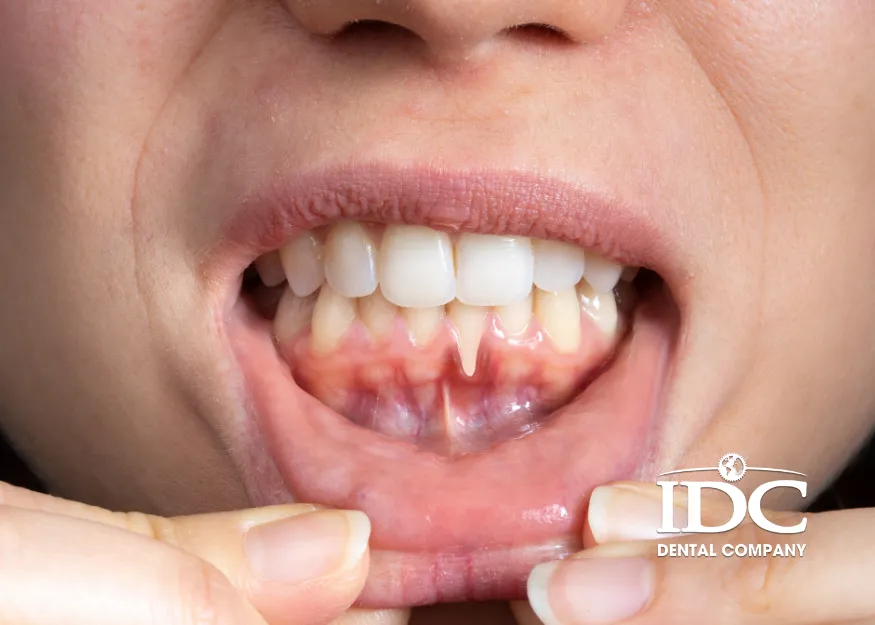
1. Red or Swollen Gums
Healthy gums should be firm and pink. If your gums look red, puffy, or inflamed, it may be an early sign of infection.
2. Bleeding When Brushing or Flossing
One of the most common symptoms is bleeding gums during brushing or flossing. Many people think this is normal, but healthy gums should not bleed.
3. Persistent Bad Breath
Chronic bad breath (halitosis) can be caused by bacteria trapped under the gumline.
4. Tender or Sensitive Gums
If your gums feel sore or uncomfortable when touched, inflammation may be present.
5. Gum Irritation or Itching
Some patients report a mild itching or burning sensation along the gums.
At this stage, professional cleaning and improved home care can usually reverse the condition.
Advanced Symptoms of Gum Disease (Periodontitis)
When gum disease progresses, the symptoms become more noticeable and serious.
1. Receding Gums
Gums begin to pull away from the teeth, making the teeth appear longer than before.
2. Deep Gum Pockets
Spaces form between the teeth and gums, allowing bacteria to accumulate and worsen the infection.
3. Loose or Shifting Teeth
As bone support is lost, teeth may become loose or change position.
4. Pain When Chewing
Inflamed tissues and bone loss can make chewing uncomfortable.
5. Pus Between Teeth and Gums
This is a clear sign of infection and requires immediate dental attention.
6. Tooth Loss
In severe cases, untreated periodontitis can lead to permanent tooth loss.
Hidden Signs Many People Ignore
Some symptoms of gum disease are subtle and easy to miss.
- Persistent bad taste in the mouth
- Gums that appear dark red or purple
- Increased tooth sensitivity
- Food frequently gets stuck between teeth
- Changes in the way your teeth fit together
Even if symptoms seem minor, they may indicate an underlying periodontal problem.
What Causes Gum Disease?
Gum disease develops when harmful bacteria are allowed to accumulate over time.
Plaque and Tartar Buildup
Poor oral hygiene allows plaque to harden into tartar, which cannot be removed by brushing alone.
Poor Brushing and Flossing Habits
Inadequate cleaning leaves bacteria along the gumline.
Smoking and Tobacco Use
Smoking weakens the immune system and increases the risk of gum disease.
Medical Conditions
Diabetes, immune disorders, and certain medications can increase susceptibility.
Hormonal Changes
Pregnancy, menopause, and hormonal fluctuations can make gums more sensitive.
Stress and Lifestyle Factors
Chronic stress can weaken the body’s ability to fight infection.
Who Is at Higher Risk for Gum Disease?
Some individuals are more likely to develop periodontal problems, including:
- Adults over age 30
- Smokers
- People with diabetes
- Individuals with a family history of gum disease
- Patients who skip regular dental check-ups
- People with poor oral hygiene habits
If you fall into a high-risk group, regular dental visits are especially important.
When Should You See a Dentist?
You should schedule a dental visit immediately if you notice:
- Bleeding gums
- Persistent bad breath
- Gum recession
- Loose teeth
- Pain or swelling in the gums
Early treatment can stop gum disease before it causes permanent damage.
Risks of Untreated Gum Disease
If ignored, gum disease can lead to:
- Bone loss around teeth
- Tooth mobility and loss
- Chronic infection
- Increased risk of systemic health problems
How Dentists Diagnose Gum Disease
A dentist or periodontist will perform a thorough evaluation, which may include:
Gum Pocket Measurement
A periodontal probe is used to measure the depth of spaces between teeth and gums.
Dental X-Rays
X-rays help detect bone loss that cannot be seen visually.
Clinical Examination
The dentist checks for inflammation, plaque buildup, gum recession, and tooth mobility.
Accurate diagnosis helps determine the most effective treatment plan.
Treatment Options for Gum Disease
Treatment depends on the severity of the condition.
Professional Dental Cleaning
For early gingivitis, removing plaque and tartar through professional cleaning may be enough.
Scaling and Root Planing
Also known as deep cleaning, this procedure removes bacteria from below the gumline and smooths the tooth roots.
Antibiotic Therapy
In some cases, topical or oral antibiotics are used to control infection.
Advanced Periodontal Treatment
For severe periodontitis, treatment may include:
- Gum surgery
- Bone grafting
- Guided tissue regeneration
- Laser therapy
Early treatment is always simpler, less expensive, and more effective.
How to Prevent Gum Disease
Prevention is the best way to maintain healthy gums.
Maintain Good Oral Hygiene
- Brush twice daily with fluoride toothpaste
- Floss every day
- Use an antibacterial mouthwash if recommended
Visit Your Dentist Regularly
Professional cleaning every 6 months helps remove tartar and detect problems early.
Maintain a Healthy Lifestyle
- Quit smoking
- Eat a balanced diet
- Manage medical conditions like diabetes
Gum Disease and Overall Health
Research shows that gum disease is linked to several systemic conditions, including:
- Heart disease
- Diabetes complications
- Respiratory infections
- Pregnancy complications
Healthy gums are not only important for your smile but also for your overall health.


 WhatsApp