
My tooth hurts after a filling is a concern many patients have after leaving the dental clinic. While dental fillings are designed to restore your tooth and eliminate decay, it’s not unusual to experience temporary sensitivity, mild soreness, or discomfort as the tooth adjusts to the new restoration. In most cases, these symptoms improve within a few days.
However, if the pain persists, becomes severe, or affects your ability to chew, it may signal an issue that requires further evaluation by a dentist.
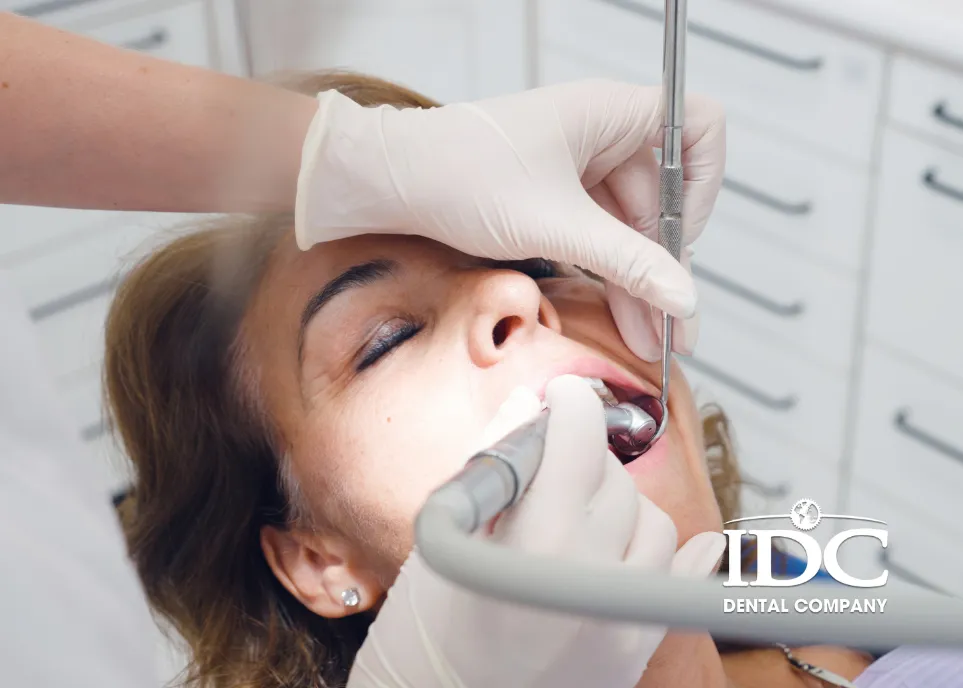
This guide explains the common reasons for tooth pain after a filling, how long the discomfort should last, what you can do to relieve it, and when it’s time to visit your dentist.
Is It Normal to Have Pain After a Filling?
Yes, mild pain or sensitivity after a filling is normal and usually temporary.
Normal Post-Filling Sensitivity
After the procedure, your tooth may feel sensitive to:
- Hot or cold foods and drinks
- Sweet or acidic foods
- Air exposure
- Pressure when biting or chewing
This happens because the tooth’s inner nerve (pulp) may become temporarily irritated during the removal of decay and placement of the filling.
How Long Should the Pain Last?
In most cases:
- Sensitivity lasts a few days to 1–2 weeks
- The discomfort gradually improves over time
- There is no swelling or severe throbbing
If the pain is mild and improving, it is usually part of the normal healing process.
Common Causes of Tooth Pain After a Filling
There are several reasons why a tooth may hurt after a filling. Understanding the cause can help determine whether the discomfort is normal or requires treatment.
1. Nerve Irritation After the Procedure
When a cavity is treated, the dentist removes decayed tissue using dental instruments.
This process can irritate the tooth’s nerve, especially if the cavity is deep.
Symptoms:
- Sharp sensitivity to cold or hot
- Short-lasting discomfort
- Pain that gradually improves
The deeper the cavity, the closer it is to the nerve, and the longer the recovery period may be.
2. High Filling (Bite Misalignment)
One of the most common causes of pain after a filling is a high filling, which means the restoration sits slightly higher than the surrounding teeth.
Even a small difference can cause excessive pressure when biting.
Symptoms:
- Pain when chewing or biting
- The tooth feels “too tall.”
- Jaw soreness or fatigue
This problem is easy to fix with a quick bite adjustment at your dental clinic.
3. Pulp Inflammation (Pulpitis)
If the cavity is very deep, the nerve inside the tooth may become inflamed.
There are two types:
Reversible pulpitis
- Mild to moderate sensitivity
- Pain triggered by cold or sweet foods
- Improves over time
Irreversible pulpitis
- Severe, lingering pain
- Throbbing or spontaneous discomfort
- May require root canal treatment
4. Cracked or Weakened Tooth
Large fillings remove significant tooth structure, which can weaken the tooth and make it more prone to cracking.
Symptoms:
- Sharp pain when biting
- Pain when pressure is released
- Intermittent discomfort while chewing
If a crack is present, additional treatment such as a crown may be needed.
5. Sensitivity Related to Filling Materials
Different materials react differently inside the tooth.
Composite (White) Fillings
Composite fillings may shrink slightly during hardening, which can cause temporary sensitivity.
Amalgam (Metal) Fillings
Metal expands and contracts with temperature changes, sometimes causing sensitivity to hot or cold.
6. Recurrent Decay Under the Filling
If bacteria remain or the filling does not seal properly, decay can continue underneath.
Symptoms:
- Persistent or worsening pain
- Sensitivity that does not improve
- Bad taste or discomfort when chewing
This condition requires replacement of the filling.
7. Rare Allergic Reaction
Although uncommon, some patients may react to certain filling materials.
Symptoms:
- Gum irritation near the filling
- Unusual or persistent sensitivity
When Is Tooth Pain After a Filling Not Normal?
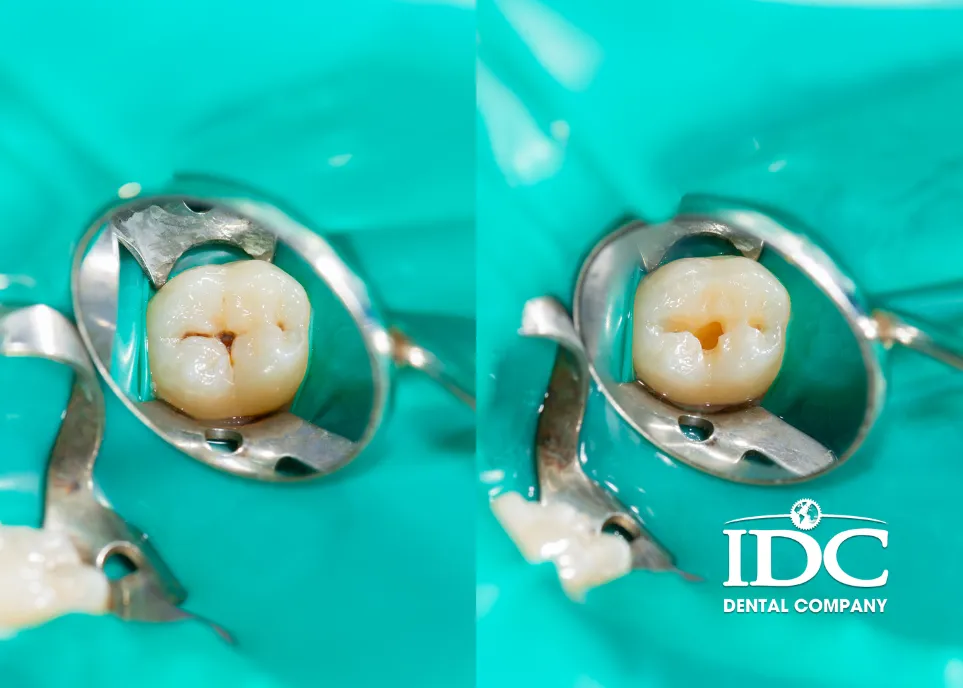
While mild sensitivity is expected, certain signs indicate a potential problem.
You should see a dentist if:
- Pain lasts longer than 2 weeks
- The pain is severe or throbbing
- The tooth hurts when biting
- Pain wakes you at night
- Sensitivity worsens instead of improving
- There is swelling, fever, or a bad taste in the mouth
Ignoring these symptoms may allow the condition to worsen and lead to more complex treatment.
How to Relieve Tooth Pain After a Filling
If your discomfort is mild and temporary, several home care measures can help reduce sensitivity.
1. Avoid Extreme Temperatures
Stay away from very hot, cold, or acidic foods for a few days.
2. Chew on the Opposite Side
Give the treated tooth time to recover by reducing pressure.
3. Use Desensitizing Toothpaste
Special toothpaste for sensitive teeth can help block nerve signals and reduce discomfort.
4. Maintain Gentle Oral Hygiene
Continue brushing and flossing carefully to keep the area clean and prevent further irritation.
5. Take Over-the-Counter Pain Relievers
Medications such as ibuprofen or acetaminophen may help reduce inflammation and discomfort when used as directed.
6. Eat Soft Foods
Choose softer foods like soup, rice, yogurt, or eggs during the first few days.
Professional Treatments for Persistent Pain
If your symptoms do not improve, your dentist may recommend professional treatment based on the cause.
Bite Adjustment
If the filling is too high, the dentist will smooth and reshape it to restore proper alignment.
Desensitizing Treatment
Fluoride varnish or desensitizing agents may be applied to reduce sensitivity to nerve stimulation.
Filling Replacement
If the filling is leaking, cracked, or poorly sealed, it may need to be replaced.
Root Canal Treatment
If the nerve is severely damaged or infected, root canal therapy may be necessary to eliminate pain and save the tooth.
How to Prevent Tooth Pain After a Filling
Although some sensitivity is unavoidable, the risk of complications can be reduced by:
- Treating cavities early before they become deep
- Choosing an experienced dentist
- Using high-quality modern filling materials
- Following post-treatment instructions carefully
- Maintaining regular dental checkups
Early treatment is the best way to avoid deep decay and nerve irritation.
Why Choosing the Right Dental Clinic Matters
The quality of a dental filling depends on several factors, including:
- Accurate diagnosis of cavity depth
- Proper isolation during treatment
- Precise bite adjustment
- High-quality materials
- Modern equipment and techniques
At a professional dental clinic like IDC Da Nang Dental, patients benefit from advanced diagnostic technology, experienced dentists, and careful bite evaluation to minimize post-treatment sensitivity and ensure long-lasting results.
Frequently Asked Questions
Is it normal for a tooth to hurt after a filling?
Yes, mild sensitivity for a few days is normal and usually improves on its own.
How long does the pain after a filling last?
Most discomfort disappears within 3 to 14 days.
Why does my tooth hurt when I bite after a filling?
The filling may be too high and requires a simple adjustment.
Should I worry if the pain doesn’t go away?
Yes. If pain lasts more than two weeks or becomes severe, you should visit your dentist.



 WhatsApp