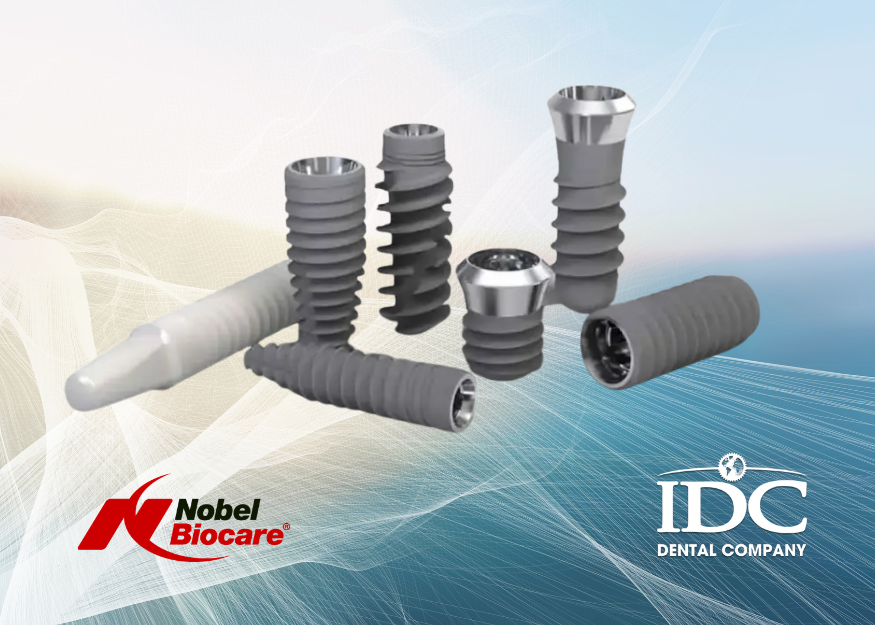
Nobel Implants are widely recognized as one of the leading premium dental implant systems, known for their advanced technology, reliability, and long-term success. As dental implants continue to be the gold standard for replacing missing teeth, choosing the right brand has become a crucial decision for patients seeking both durability and aesthetics.
With so many options available, many patients wonder whether Nobel Implants truly live up to their reputation—especially given their higher cost compared to other systems. Are they really worth the investment?
In this comprehensive A–Z review, we’ll explore everything you need to know, from key features and benefits to costs and comparisons, helping you make an informed decision for your dental care.
What Are Nobel Implants?
Overview of Nobel Biocare
Nobel Implants are produced by Nobel Biocare, a Swiss-based company and one of the pioneers in modern dental implantology.
The brand has a long clinical history and is widely used by dentists across the United States, Europe, Australia, and Asia.
Nobel Biocare is known for innovation, precision engineering, and strong research-backed products, making it a top choice for complex dental cases.
What Makes Nobel Implants Unique?
Unlike many standard implant systems, Nobel implants are designed with advanced surface technology and high stability, allowing for better integration with the jawbone.
Key highlights include:
- Decades of clinical research
- High success rates
- Advanced digital planning compatibility
- Solutions for both simple and complex cases
Types of Nobel Implants
Nobel Biocare offers a wide range of implant systems tailored to different clinical situations.
NobelActive
Designed for high primary stability, NobelActive is ideal for challenging cases, including soft bone or immediate loading procedures.
NobelParallel
A versatile implant system suitable for most standard cases, offering balanced performance and predictable results.
NobelReplace
One of the most widely used systems, known for its ease of placement and strong long-term outcomes.
NobelZygoma
A specialized solution for patients with severe bone loss, eliminating the need for bone grafting in many cases.
Key Features of Nobel Implants
TiUnite Surface Technology
Nobel implants feature a unique TiUnite surface, which enhances osseointegration (bone bonding) and improves long-term stability.
High Primary Stability
The implant design allows for strong initial fixation, reducing healing time and improving success rates.
Precision Engineering
Manufactured with high accuracy, Nobel implants ensure a perfect fit and minimize complications.
Digital Workflow Integration
Nobel systems are fully compatible with digital dentistry, including 3D planning and guided surgery.
Advantages of Nobel Implants
Proven Long-Term Success Rate
Nobel implants have a success rate of 95–98%, supported by decades of clinical studies.
Excellent Osseointegration
Thanks to advanced surface technology, the implants bond effectively with the jawbone, ensuring durability.
Suitable for Complex Cases
From full-mouth restorations to cases with bone loss, Nobel offers solutions that many other brands cannot.
Trusted Worldwide
Used by dentists globally, Nobel implants are considered a premium and reliable option.
Natural Aesthetics
They provide excellent cosmetic results, especially in visible areas like front teeth.
Disadvantages of Nobel Implants
Higher Cost
Nobel implants are among the most expensive options on the market, which may not suit all budgets.
Requires Skilled Dentists
To achieve optimal results, the procedure must be performed by experienced professionals.
Not Always Necessary
For simple cases, more affordable implant brands may provide similar outcomes.
Are Nobel Implants Good?
The short answer is: Yes, Nobel implants are very good—especially for patients seeking premium, long-term results.
However, whether they are the best choice depends on your individual situation.
You should consider Nobel implants if:
- You want long-lasting, high-quality results
- You have complex dental conditions
- You prefer a globally trusted brand
On the other hand, if your case is simple and budget is a concern, other implant systems may still be effective.
Nobel Implants vs Other Brands
Nobel vs Straumann
Both are premium Swiss brands with excellent reputations.
- Straumann: slightly stronger brand recognition
- Nobel: more versatile solutions for complex cases
Nobel vs Korean Implants (Osstem, Dentium)
- Nobel: higher cost, premium quality
- Korean brands: more affordable, good for standard cases
Nobel vs Budget Implants
Budget implants may reduce upfront costs but may lack long-term data and advanced technology.
Success Rate and Longevity
Nobel implants are known for their outstanding durability.
- Success rate: 95–98%
- Lifespan: 20 years or more with proper care
Factors affecting longevity include:
- Oral hygiene
- Bone quality
- Dentist’s expertise
- Post-treatment care
Cost of Nobel Implants
Global Pricing
In countries like the US or Australia, a single Nobel implant can cost:
=> $3,000 – $6,000 per tooth
Cost in Vietnam
Vietnam has become a popular dental tourism destination due to significantly lower costs:
=> $800 – $1,500 per implant
This makes it an attractive option for international patients seeking high-quality treatment at a fraction of the price.
Why Prices Vary
- Clinic reputation
- Dentist experience
- Technology used
- Case complexity
Who Should Choose Nobel Implants?
Nobel implants are ideal for:
- Full-mouth restorations (All-on-4 / All-on-6)
- Patients with bone loss
- Those seeking long-term investment
- International patients wanting premium care
Nobel Implant Procedure (Step-by-Step)
1. Consultation & Diagnosis
Includes X-rays, CT scans, and treatment planning.
2. Implant Placement
The titanium implant is surgically placed into the jawbone.
3. Healing Phase
Bone integrates with the implant over 3–6 months.
4. Crown Placement
A custom crown is attached to complete the restoration.
Risks and Safety
Like any surgical procedure, dental implants carry some risks:
- Infection
- Implant failure (rare)
- Nerve damage (very rare)
Choosing a reputable clinic and following post-op instructions significantly reduces these risks.
FAQs
Are Nobel implants worth the price?
Yes, if you prioritize long-term durability and premium quality.
How long do Nobel implants last?
With proper care, they can last 20 years or more.
Are Nobel implants better than Straumann?
Both are excellent. The choice depends on your specific case and the dentist’s recommendation.
Are Nobel implants safe?
Yes, they are clinically proven and widely used worldwide.
Can I get Nobel implants in one trip?
In some cases, yes—but most treatments require two visits.

 WhatsApp