Dental composite bonding in Da Nang City, Vietnam, is a popular cosmetic treatment for local and international patients looking for a natural, affordable, and minimally invasive smile enhancement. Da Nang has become a leading destination for aesthetic dentistry, offering modern technology, skilled cosmetic dentists, and lower costs than Western countries.
Composite bonding uses tooth-colored resin to repair, reshape, or improve teeth, making it ideal for chipped, cracked, stained, or slightly misaligned teeth and small gaps. It is less invasive than veneers or crowns and is often completed in a single visit.
In this guide, we explain what composite bonding is, its benefits, why Da Nang is a great choice, how the procedure works, its durability, cost, and how to choose the right clinic.
What Is Dental Composite Bonding? (Definition & Purpose)
Understanding composite resin in dentistry
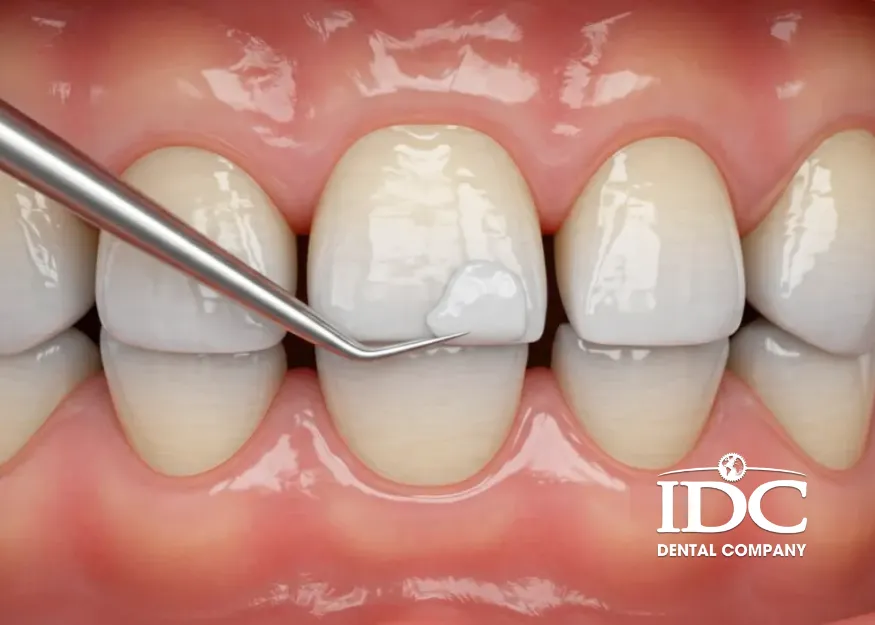
Composite resin is a tooth-colored material made from a blend of plastic and fine glass particles. It is commonly used in restorative and cosmetic dentistry because it closely resembles the natural appearance of enamel. Dentists can shape and mold composite resin directly onto the tooth, allowing for precise customization.
Unlike porcelain veneers, which require significant tooth reduction and laboratory fabrication, composite bonding is applied directly in the dental chair. This makes it a faster, more conservative, and often more affordable option for patients seeking aesthetic improvements.
When is composite bonding recommended?
Composite bonding is ideal for patients with:
- Chipped or cracked teeth
- Small gaps between teeth
- Stained or discolored teeth that do not respond to whitening
- Irregularly shaped teeth
- Slightly crooked or uneven teeth
It is particularly suitable for minor cosmetic corrections rather than major structural dental issues.
Benefits of Dental Composite Bonding
Minimally invasive procedure
One of the biggest advantages of composite bonding is that it requires little to no removal of natural tooth structure. In most cases, the dentist only lightly roughens the tooth surface to help the resin adhere properly. This makes the procedure reversible in some situations and preserves more of the patient’s natural enamel.
Aesthetic advantages
Composite bonding offers highly natural-looking results because the dentist can carefully match the shade of the resin to the patient’s existing teeth. The material can be sculpted and polished to mimic the texture and shine of real enamel, creating a seamless appearance.
Practical benefits
Composite bonding is:
- Quick – often completed in a single visit
- Affordable – significantly cheaper than porcelain veneers
- Customizable – tailored to each patient’s unique smile
Why Choose Da Nang City for Dental Composite Bonding?
Modern cosmetic dentistry in Da Nang
Da Nang is home to many modern dental clinics equipped with the latest aesthetic dental technology, including digital smile design (DSD), high-quality composite materials, and advanced polishing systems. These tools help dentists plan and execute precise, natural-looking smile transformations.
Experienced cosmetic dentists
Many dentists in Da Nang specialize in cosmetic dentistry and have extensive training in aesthetic procedures. Their expertise allows them to create beautifully balanced smiles that complement each patient’s facial features.
Cost of Composite Bonding in Da Nang vs Other Countries
One of the main reasons international patients choose Da Nang is the significant cost savings. On average:
- In Australia or the USA, composite bonding can cost $300–$1,000 USD per tooth.
- In Da Nang, prices typically range from $80–$250 USD per tooth, depending on the clinic and complexity of the case.
This makes Da Nang an attractive destination for dental tourism.
English-speaking dental clinics in Da Nang
Many reputable clinics in Da Nang cater to international patients, offering English-speaking dentists and support staff. This ensures clear communication and a smooth treatment experience for foreign patients.
Dental Composite Bonding Procedure in Da Nang (Step-by-Step)
Step 1 – Consultation and smile assessment
The process begins with a consultation, during which the dentist evaluates the patient’s teeth, discusses concerns, and determines whether composite bonding is the best option. The patient’s desired outcome is also considered.
Step 2 – Shade selection and preparation
The dentist selects a composite shade that closely matches the patient’s natural teeth. The tooth surface is lightly etched to create a rough texture that helps the resin bond securely.
Step 3 – Application of composite resin
The dentist applies the composite resin in thin layers, carefully shaping and sculpting it to achieve the desired appearance. This step requires precision and artistic skill.
Step 4 – Curing and polishing
A special UV light is used to harden each layer of resin. Once the final shape is achieved, the dentist polishes the tooth to create a smooth, natural shine.
Is Dental Composite Bonding Painful?
Comfort level during treatment
Composite bonding is generally painless. In most cases, anesthesia is not required because there is minimal drilling or tooth alteration.
Post-treatment sensitivity
Most patients experience little to no sensitivity after the procedure, making composite bonding a comfortable cosmetic option.
How Long Does Composite Bonding Last?
Factors affecting durability
The lifespan of composite bonding depends on:
- Oral hygiene habits
- Diet (coffee, tea, red wine, and smoking can stain resin)
- Biting pressure and habits (e.g., grinding teeth)
Expected lifespan
On average, composite bonding lasts between 3 and 7 years. With proper care, it may last even longer. Touch-ups or replacements may be needed over time.
Cost of Dental Composite Bonding in Da Nang City
Average price range
- Per tooth: $80 – $250 USD
- Full smile makeover: $800 – $3,000 USD (depending on number of teeth treated)
What affects the cost?
- Number of teeth treated
- Complexity of the case
- Dentist’s experience
- Clinic reputation
Best Dental Clinics for Composite Bonding in Da Nang
What makes a clinic reputable?
A good clinic should have:
- Experienced cosmetic dentists
- High-quality composite materials
- Modern dental equipment
- Positive patient reviews
Key factors to consider when choosing a clinic
- Before-and-after case photos
- Transparent pricing
- English-speaking staff
- Strong aftercare support
Aftercare and Maintenance for Composite Bonding
Daily oral hygiene tips
To maintain composite bonding, patients should:
- Brush twice daily with a non-abrasive toothpaste
- Floss regularly
- Avoid excessive consumption of staining foods and drinks
Professional maintenance
Regular dental check-ups are recommended. Professional polishing can help maintain the appearance of bonded teeth.
Composite Bonding vs Porcelain Veneers
Key differences
- Cost: Composite bonding is significantly cheaper than veneers.
- Durability: Porcelain veneers last longer but require more tooth reduction.
- Reversibility: Composite bonding is more conservative and less permanent.
Which option is better for you?
For minor cosmetic issues, composite bonding is often the best choice. For more severe discoloration or structural problems, veneers may be recommended.
Dental Tourism in Da Nang for Cosmetic Dentistry
Why international patients choose Da Nang
Da Nang offers affordable aesthetic dentistry, highly skilled dentists, and a beautiful coastal environment for recovery.
Combining treatment with travel
Many patients enjoy combining their dental treatment with a relaxing holiday by the beach, exploring Da Nang’s scenic landscapes and culture.
Frequently Asked Questions (FAQ)
How long does composite bonding take?
Usually 30–60 minutes per tooth.
Does composite bonding stain?
Yes, it can stain over time, but professional polishing can help.
Can composite bonding fix crooked teeth?
It can correct minor alignment issues but not major orthodontic problems.
Is composite bonding reversible?
In many cases, yes, since minimal tooth structure is removed.
How much does composite bonding cost in Da Nang?
Typically $80–$250 per tooth.
 WhatsApp