
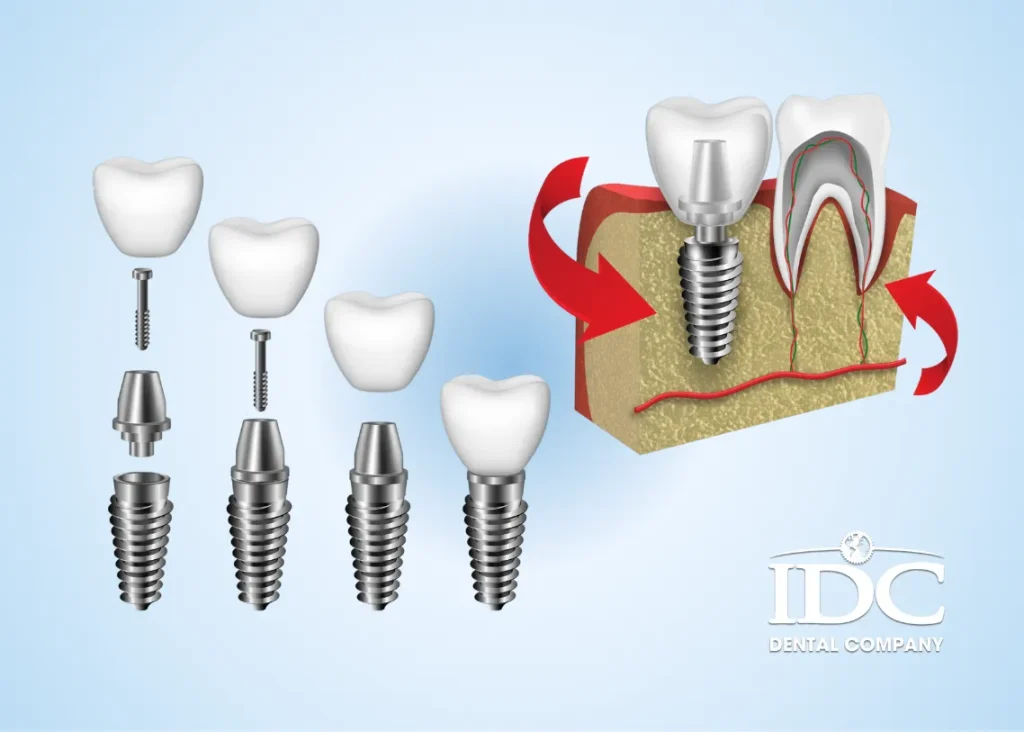
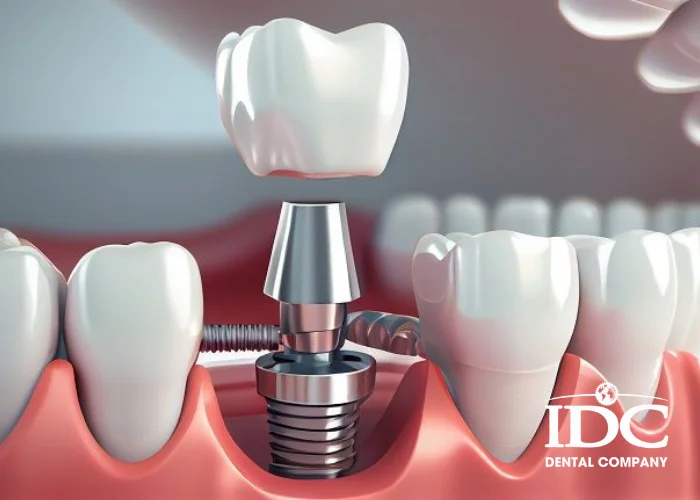
Why Should You Get a Dental Implant for a Single Missing Tooth?
❌ If a Missing Tooth Is Not Replaced Early:
- Adjacent teeth may shift, causing bite misalignment
- Jawbone gradually shrinks, leading to gum collapse and visible gaps
- Weak chewing ability may lead to TMJ (temporomandibular joint) discomfort
- Long-term correction becomes more complex and costly
✔ Why You Should Choose a Single-Tooth Implant:
- Strong chewing function — similar to natural teeth
- Prevents bone loss and gum collapse
- No need to grind healthy neighboring teeth (unlike dental bridges)
- Natural aesthetics with durability of 20–30 years or even a lifetime
Who Is a Suitable Candidate for a Single-Tooth Implant?
✔ Missing a single front tooth, molar, or canine
✔ Severely decayed tooth that must be extracted
✔ Tooth loss due to trauma or accident
✔ Ideal for those seeking long-lasting durability and high aesthetics
❌ Pregnant women or patients with serious medical conditions require a dentist’s evaluation before treatment can be approved.
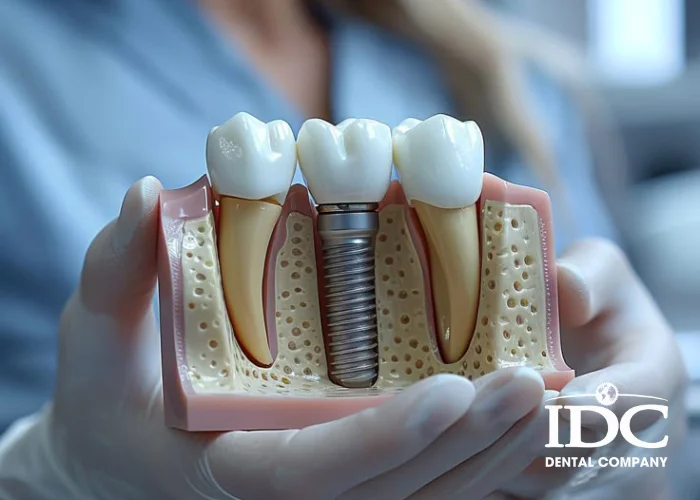
Single-Tooth Implant Procedure
Step 1:
Consultation & 3D Cone Beam CT Scan
Step 2:
Local Anesthesia & Implant Placement (15–20 minutes)
Step 3:
Osseointegration Period (6–12 weeks)
Step 4:
Crown Attachment & Bite Adjustment
Step 5:
Follow-Up Checkups & Periodic Warranty Care
Why Should You Get Dental Implants Early?
💎 Genuine Implant Brands with Clear Warranty Policies
💎 Specialized Implant Surgeons
💎 3D Cone Beam CT for Precise Positioning
💎 International Standard Sterilization System
💎 Long-Term Warranty with Lifetime Follow-Up Care
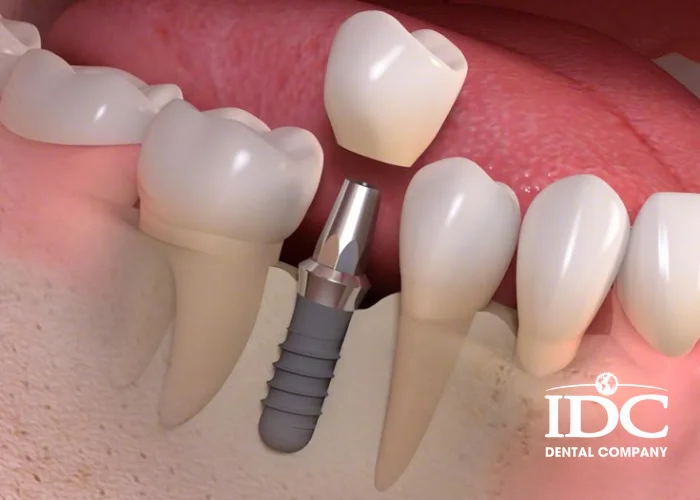
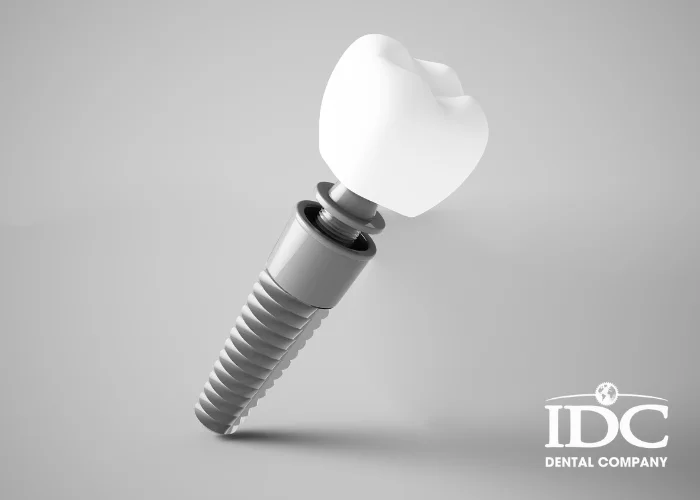
Outstanding Advantages of Single-Tooth Implants
- No need to grind the neighboring teeth as required with dental bridges.
- Prevents jawbone loss and avoids gum collapse.
- Durability of 20–30 years, or even a lifetime with proper care.
- Natural chewing comfort — no sensitivity and no discomfort.
- The new tooth matches the natural tooth color up to 99%.
- Safe and biocompatible with the body.
 WhatsApp