
Does Root Canal Treatment Hurt? This is a common concern for many patients, often linked to fear and outdated misconceptions. In reality, modern root canal treatment is designed to relieve pain caused by infection—not create it.
With advanced technology and effective local anesthesia, root canal therapy is usually no more uncomfortable than a routine dental filling.

This guide explains what happens during the procedure and why most patients experience little to no pain.
What is root canal treatment?
Root canal treatment is a dental procedure used to treat infection or inflammation inside a tooth. Beneath the hard outer layers of enamel and dentin lies the pulp—a soft tissue containing nerves, blood vessels, and connective tissue. When this pulp becomes infected or damaged, a root canal is often the only way to save the natural tooth.
Why is root canal treatment needed?
Root canal treatment is usually required when:
- Deep tooth decay reaches the pulp
- A tooth is cracked or fractured
- Repeated dental procedures irritate the nerve
- Trauma causes nerve damage
Without treatment, the infection can spread, leading to severe pain, abscess formation, bone loss, and even tooth loss.
What happens if an infected tooth is left untreated?
Ignoring a tooth that needs root canal treatment can result in:
- Increasing pain and swelling
- Spread of infection to the jaw or bloodstream
- Loss of the tooth
- Higher treatment costs in the future
Why do people think root canal treatment is painful?
The fear surrounding root canal treatment largely comes from outdated experiences and misinformation.
Common myths about root canal pain
- “Root canals are extremely painful.”
- “It hurts more than a tooth extraction.”
- “Recovery is long and unbearable.”
These beliefs are mostly based on stories from decades ago, before modern anesthesia and technology.
Root canal pain vs. infection pain
In reality, the pain people associate with root canals usually comes from the infection itself, not the treatment. Root canal therapy removes the infected tissue that is causing the pain.
Old Techniques vs. Modern Dentistry
Today’s root canal treatments use:
- Advanced local anesthesia
- Rotary instruments for precision
- Digital imaging for accuracy
As a result, discomfort during treatment is minimal for most patients.
Does root canal treatment hurt during the procedure?
This is the most common question—and the answer surprises many patients.
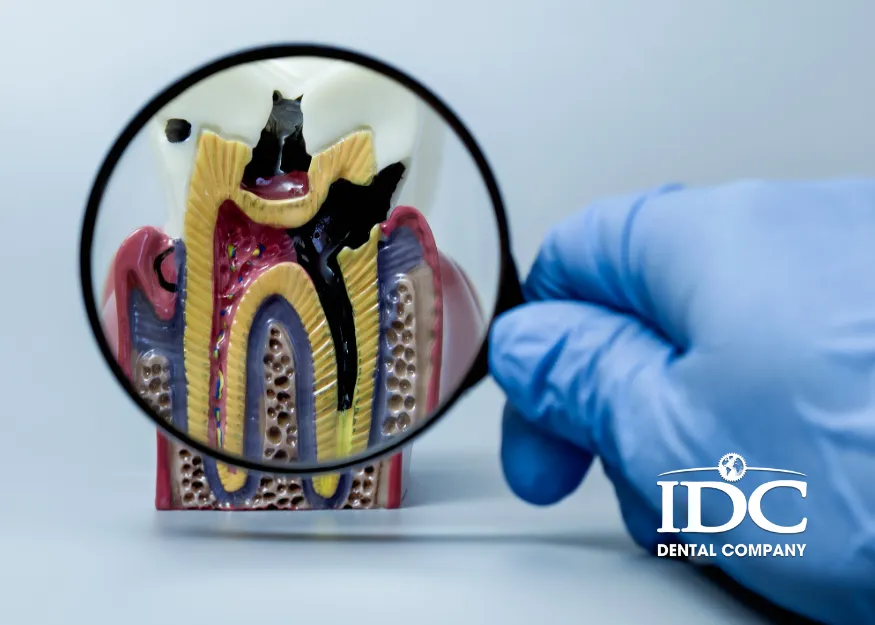
Local anesthesia and pain control
Before the procedure begins, the dentist administers local anesthesia to completely numb the tooth and surrounding area. You should not feel pain during the procedure.
What do patients typically feel?
Most patients report:
- Pressure, but not pain
- Mild vibration from dental instruments
- A sensation similar to a dental filling
Is root canal treatment similar to a filling?
In terms of comfort, yes. A root canal often feels very similar to a long filling appointment, especially when performed by an experienced dentist.
Does root canal treatment hurt after the procedure?
Some mild discomfort after treatment is normal, but it is usually manageable.
Normal Post-Treatment Discomfort
After the anesthesia wears off, you may experience:
- Mild tenderness
- Sensitivity when biting
- Slight swelling
This discomfort typically lasts a few days.
How long does pain last after a root canal?
For most patients:
- 1–3 days: mild soreness
- Up to 1 week: gradual improvement
Over-the-counter pain medication is usually sufficient.
Normal Healing vs. Complications
Normal healing pain decreases each day. Pain that worsens or persists beyond a week should be evaluated by your dentist.
Step-by-Step Guide to Root Canal Treatment
Understanding each step can significantly reduce anxiety.
Step 1: Dental Examination and X-ray
The dentist examines the tooth and takes X-rays to assess:
- Extent of infection
- Root structure
- Bone condition
This step ensures accurate diagnosis and treatment planning.
Step 2: Local Anesthesia and Tooth Isolation
Local anesthesia numbs the area completely. A dental dam is placed around the tooth to keep it dry and prevent bacteria from entering.
Step 3: Removing the Infected Pulp
The dentist creates a small opening in the tooth and removes the infected pulp tissue. This step actually relieves pressure and pain, as the inflamed nerve is eliminated.
Step 4: Disinfecting and Shaping the Canals
The root canals are cleaned, disinfected, and shaped to remove bacteria and prevent future infection.
Step 5: Filling and Sealing the Tooth
The cleaned canals are filled with a biocompatible material (usually gutta-percha) and sealed to protect against reinfection.
Step 6: Dental Crown or Final Restoration
In many cases, a crown is placed to restore strength and function. This protects the tooth and allows normal chewing.
How Painful Is Root Canal Treatment Compared to Other Dental Procedures?
Many patients are surprised to learn that root canal treatment is often less painful than alternatives.
Root Canal vs. Tooth Extraction
- Root canal: preserves the natural tooth, with minimal pain
- Extraction: often more post-operative discomfort
Root Canal vs. Dental Filling
- Root canal: longer procedure, similar comfort level
- Filling: shorter but comparable sensation
Root Canal vs. Wisdom Tooth Removal
Root canal treatment is typically much less painful than wisdom tooth extraction, both during and after the procedure.
Factors That Affect Pain Levels During Root Canal Treatment
Pain perception varies from person to person.
Severity of Infection
More advanced infections may cause increased sensitivity before treatment, but not necessarily more pain during the procedure.
Tooth Location
- Front teeth: usually simpler and quicker
- Molars: more canals, longer procedure
Dentist Experience and Technology
Experienced dentists using modern equipment can significantly reduce discomfort and treatment time.
Individual Pain Tolerance
Anxiety and pain sensitivity play a role. Communicating with your dentist helps ensure comfort.
How to Minimize Pain Before and After Root Canal Treatment
Before Treatment
- Get adequate rest
- Eat a light meal
- Inform your dentist of any anxiety or past experiences
After Treatment
- Avoid chewing on the treated tooth until restored
- Take prescribed or recommended pain medication
- Maintain good oral hygiene
Home Care Tips
- Apply a cold compress if needed
- Avoid hard or sticky foods
- Follow all post-treatment instructions
When Should You Be Concerned About Pain After a Root Canal?
While complications are rare, contact your dentist if you experience:
- Severe or increasing pain
- Swelling that worsens
- Fever
- Pain lasting more than one week
Prompt evaluation ensures early management of any issues.
Is Root Canal Treatment Worth It Despite the Fear of Pain?
Absolutely.
Benefits of Saving the Natural Tooth
- Maintains natural bite and alignment
- Prevents bone loss
- Avoids the need for implants or bridges
Long-Term Comfort and Oral Health
Once healed, a root canal-treated tooth feels and functions like a natural tooth.
Cost vs. Benefits
Saving a tooth with root canal treatment is often more cost-effective than extraction and replacement.
Frequently Asked Questions About Root Canal Pain
Is root canal treatment painful without anesthesia?
No. Root canal treatment is always performed with local anesthesia.
Can you feel pain if the nerve is already dead?
You may still feel pressure, but pain is minimal.
How many visits does root canal treatment take?
Many cases are completed in one visit; others may require two.
Can root canal treatment fail?
While rare, failure can occur and is often treatable with retreatment.


 WhatsApp