
Does teeth scaling hurt? This is a common concern for many patients before a dental cleaning. While teeth scaling is often associated with pain or bleeding due to past experiences, modern techniques are designed to protect your oral health with minimal discomfort.
With advanced dental equipment and optional anesthesia for sensitive cases, teeth scaling is usually comfortable and well-tolerated.
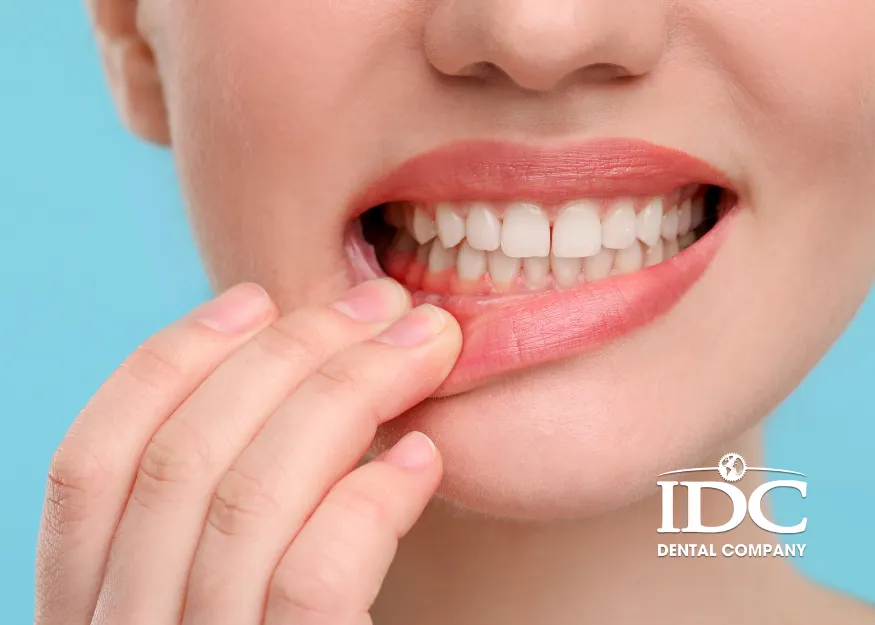
This guide explains what to expect during the procedure and why most patients experience little to no pain.
What Is Teeth Scaling?
Teeth scaling is a professional dental procedure that removes plaque and tartar (calculus) from the surfaces of the teeth and along the gum line.
Unlike regular brushing and flossing, which remove soft plaque, scaling targets hardened deposits that cannot be removed at home.
Teeth Scaling vs. Regular Teeth Cleaning
While many people use the terms interchangeably, there is a difference:
- Regular teeth cleaning focuses on surface plaque and polishing
- Teeth scaling removes hardened tartar above and below the gum line
Scaling plays a crucial role in preventing gum disease, tooth decay, and bad breath.
Why Teeth Scaling Is Important for Oral Health
Without regular scaling:
- Tartar buildup irritates the gums
- Gum inflammation can progress to periodontal disease
- Teeth become more sensitive and prone to decay
Teeth scaling is one of the most effective ways to maintain long-term oral health.
Why Do People Worry About Teeth Scaling Pain?
Concerns about teeth scaling pain are very common, especially among first-time patients or those with sensitive teeth.
Common Fears and Misconceptions
Many patients worry that:
- Scaling will hurt their gums
- The scraping sensation means damage to the enamel
- Bleeding equals severe pain
In reality, mild discomfort does not mean harm.
Discomfort vs. Real Pain
Teeth scaling may cause:
- Pressure
- Mild vibration
- Temporary sensitivity
True pain is uncommon and usually linked to existing gum inflammation or heavy tartar buildup.
Past Experiences vs. Modern Dentistry
Older dental tools and techniques were less refined. Today, ultrasonic scalers and gentle hand instruments significantly reduce discomfort.
Is Teeth Scaling Painful During the Procedure?
What Patients Usually Feel During Scaling
Most patients describe the sensation as:
- Mild pressure
- Vibrations from ultrasonic instruments
- Cool water spray
For people with healthy gums, teeth scaling is usually not painful.
How Painful Is Teeth Scaling for Most People?
For the majority of patients, discomfort is minimal. Many rate it as less uncomfortable than expected and comparable to a routine dental cleaning.
Does Dental Scaling Hurt More Than Regular Cleaning?
Dental scaling may feel slightly more intense than a basic cleaning, especially if tartar buildup is heavy. However, it is still considered a low-pain procedure.
Does Teeth Scaling Hurt Without Anesthesia?
One of the most common concerns is whether teeth scaling hurts without anesthesia.
When Anesthesia Is Not Needed
In most cases:
- Teeth scaling is done without anesthesia
- Patients tolerate the procedure well
When Numbing May Be Recommended
Local anesthesia may be suggested if:
- Gums are severely inflamed
- Deep pockets are present
- The patient has extreme sensitivity or anxiety
What to Expect Without Anesthesia
Without anesthesia, you may feel:
- Mild gum sensitivity
- Temporary discomfort
- Slight bleeding
These sensations are normal and short-lived.
Teeth Scaling for Sensitive Teeth: What You Should Know
Teeth scaling for sensitive teeth requires special consideration.
Why Sensitive Teeth React More
Sensitivity can be caused by:
- Receding gums
- Exposed dentin
- Enamel wear
These factors may increase sensation during scaling.
Special Techniques for Sensitive Patients
Dentists can:
- Use gentler ultrasonic settings
- Apply desensitizing agents
- Offer topical or local anesthesia
How Dentists Reduce Discomfort
Modern techniques focus on patient comfort while still ensuring thorough plaque removal.
Does Teeth Scaling Hurt After the Procedure?
Normal Sensations After Teeth Scaling
After the procedure, you may experience:
- Mild gum tenderness
- Temporary tooth sensitivity
- Slight bleeding
These symptoms usually resolve within a few days.
Pain After Teeth Scaling: How Long Does It Last?
For most patients:
- Sensitivity lasts 1–3 days
- Gums heal quickly with proper care
What Is Considered Abnormal Pain?
Contact your dentist if:
- Pain worsens after several days
- Swelling increases
- Sensitivity does not improve
Step-by-Step: What to Expect During Teeth Scaling
Understanding the process helps reduce anxiety.
Step 1: Dental Examination and Assessment
The dentist or hygienist examines your teeth and gums, checking for plaque buildup, gum inflammation, and signs of periodontal disease.
Step 2: Removing Plaque and Tartar
Plaque and tartar are removed using:
- Ultrasonic scalers (vibration and water spray)
- Manual hand instruments for detailed cleaning
You may hear scraping sounds, which are normal.
Step 3: Polishing the Teeth
After scaling, the teeth are polished to:
- Smooth surfaces
- Reduce future plaque buildup
- Improve overall comfort
Polishing is usually painless.
Step 4: Fluoride Treatment (If Needed)
Some patients receive fluoride to:
- Strengthen enamel
- Reduce sensitivity
- Protect against cavities
Is Dental Scaling Painful Compared to Other Dental Procedures?
Is Dental Scaling Painful Compared to Regular Cleaning?
Scaling may feel slightly more intense but remains far less painful than most dental treatments.
Teeth Scaling vs. Deep Cleaning (Scaling and Root Planing)
- Teeth scaling: mild discomfort
- Deep cleaning: may require anesthesia and cause more sensitivity
Teeth Scaling vs. Tooth Extraction
Teeth scaling is significantly less painful and non-invasive compared to extractions.
Factors That Affect Teeth Scaling Pain Levels
Several factors influence how scaling feels.
Amount of Tartar Buildup
Heavier buildup often causes more sensitivity during removal.
Gum Inflammation or Gum Disease
Inflamed gums are more sensitive and prone to bleeding.
Individual Pain Tolerance
Everyone experiences discomfort differently.
Dental Tools and Technique
Modern ultrasonic tools reduce discomfort compared to older manual techniques.
How to Minimize Discomfort During and After Teeth Scaling
Tips Before the Appointment
- Avoid very cold or hot foods
- Inform your dentist about sensitivity
- Practice good oral hygiene beforehand
What to Do After Teeth Scaling
- Avoid hard or spicy foods for 24 hours
- Use a soft-bristled toothbrush
- Rinse with warm salt water if needed
Eating and Oral Care Recommendations
Maintaining gentle oral care helps gums heal faster and reduces post-scaling pain.
When Should You Be Concerned About Pain After Teeth Scaling?
Seek dental advice if you notice:
- Severe or increasing pain
- Persistent bleeding
- Swelling or signs of infection
Early evaluation prevents complications.
Frequently Asked Questions About Teeth Scaling Pain
Is teeth scaling painful the first time?
First-time patients may feel more sensitive, but pain is usually mild.
Does dental scaling hurt for sensitive gums?
Sensitive gums may feel tender, but anesthesia can help.
Can teeth scaling damage enamel?
No. Scaling removes harmful deposits and does not damage enamel.
How often should teeth scaling be done?
Most people benefit from scaling every 6 months, depending on oral health.
Conclusion: Does Teeth Scaling Hurt or Not?
So, does teeth scaling hurt? For most patients, the answer is no, or only mildly. Teeth scaling is a preventive procedure meant to protect your gums and teeth, and any discomfort is usually temporary and minimal compared to its long-term benefits.
With modern techniques and proper dental care, teeth scaling is safe, comfortable, and essential for maintaining a healthy smile. Regular scaling helps prevent gum disease, reduces sensitivity, and keeps teeth clean and strong.
At IDC Da Nang Dental, teeth scaling is performed using modern ultrasonic equipment and gentle techniques tailored to each patient’s comfort. Choosing an experienced clinic like IDC Da Nang Dental can help ensure a smooth, stress-free procedure—and prevent more painful dental problems in the future.

 WhatsApp