
Cavity Filling in Da Nang City has become increasingly popular as the city has evolved from a coastal tourist destination into one of Vietnam’s emerging healthcare and dental hubs, offering modern clinics, upgraded technology, and international-standard treatment quality.
Today, cavity filling is among the most common dental procedures for residents, expats, and international visitors, thanks to skilled dentists, competitive pricing, and fast treatment times.
This guide explains what patients can expect from cavity filling in Da Nang City, including cost ranges, filling types, treatment steps, comfort levels, durability, and key considerations for foreign patients.
What Is a Cavity Filling?
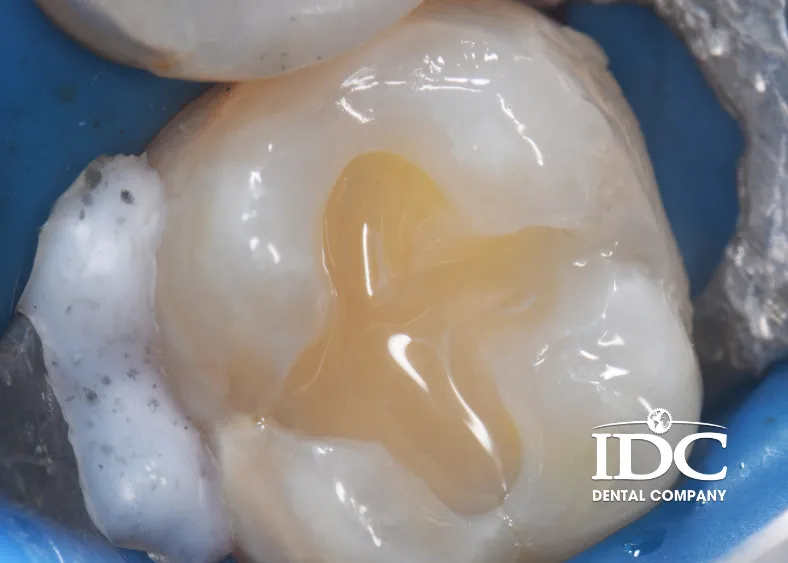
A cavity filling is a restorative dental procedure used to repair teeth damaged by decay. Cavities form when bacteria in plaque produce acids that erode tooth enamel over time.
Once enamel is compromised, decay can spread deeper into the tooth, eventually reaching the dentin or nerve if left untreated.
During a cavity filling, the dentist removes the decayed portion of the tooth and replaces it with a filling material. This restores the tooth’s shape, strength, and function while preventing further decay.
Cavity fillings are considered one of the simplest and most cost-effective dental treatments—especially when performed early.
Common Signs You May Need a Cavity Filling
Cavities do not always cause pain in the early stages, which is why routine dental checkups are important. However, as decay progresses, patients may notice:
- Sensitivity to hot, cold, or sweet foods
- Mild to sharp pain when chewing
- Visible dark spots or holes on the tooth
- Food frequently gets stuck
- Intermittent or persistent toothache
Ignoring these symptoms can lead to more complex and expensive treatments such as root canal therapy or crowns.
How Much Does a Cavity Filling Cost in Da Nang, Vietnam?
One of the biggest advantages of getting dental treatment in Da Nang is affordability. In 2025, cavity filling costs in Da Nang remain significantly lower than in Western countries while maintaining modern treatment standards.
Average Cavity Filling Cost in Da Nang (Per Tooth)
- Amalgam (silver) filling: USD 10 – 25
- Composite resin (tooth-colored) filling: USD 25 – 70
- Glass ionomer filling: USD 15 – 45
These prices usually include examination, local anesthesia (if required), decay removal, filling placement, shaping, and polishing. Additional X-rays or advanced diagnostics may be charged separately in some clinics.
Compared to the United States or Australia—where fillings can cost USD 150 to 400 per tooth—patients in Da Nang can save up to 80%.
Factors Affecting Cavity Filling Costs in Da Nang
While cavity fillings are generally affordable, the final cost can vary depending on several factors:
1. Filling Material
Composite resin fillings cost more than amalgam because they provide a natural appearance and bond directly to the tooth.
2. Size and Depth of the Cavity
Small, surface-level cavities require less time and material than deeper or multi-surface cavities.
3. Tooth Location
Front teeth often require greater aesthetic precision, while back teeth may require stronger materials to withstand chewing forces.
4. Dentist’s Experience
Clinics with highly experienced dentists or those catering to international patients may charge slightly higher—but still reasonable—fees.
5. Technology and Equipment
Digital X-rays, modern bonding systems, and magnification tools improve accuracy and longevity but can influence pricing.
Cavity Filling Cost in Da Nang vs Other Countries
Da Nang’s affordability becomes especially clear when compared internationally:
- United States: USD 150 – 400
- Australia: USD 180 – 350
- Canada: USD 120 – 300
- Europe: USD 100 – 250
- Da Nang, Vietnam: USD 10 – 70
For expats and travelers, treating cavities in Da Nang often costs less than a routine dental checkup in many Western countries.
Cavity Filling Procedure Step by Step
Understanding the process helps patients feel more confident and prepared.
Step 1: Dental Examination
The dentist examines the tooth and may take X-rays to assess the extent of decay.
Step 2: Local Anesthesia
Small cavities may not require anesthesia. For deeper cavities, local anesthesia ensures comfort.
Step 3: Removal of Tooth Decay
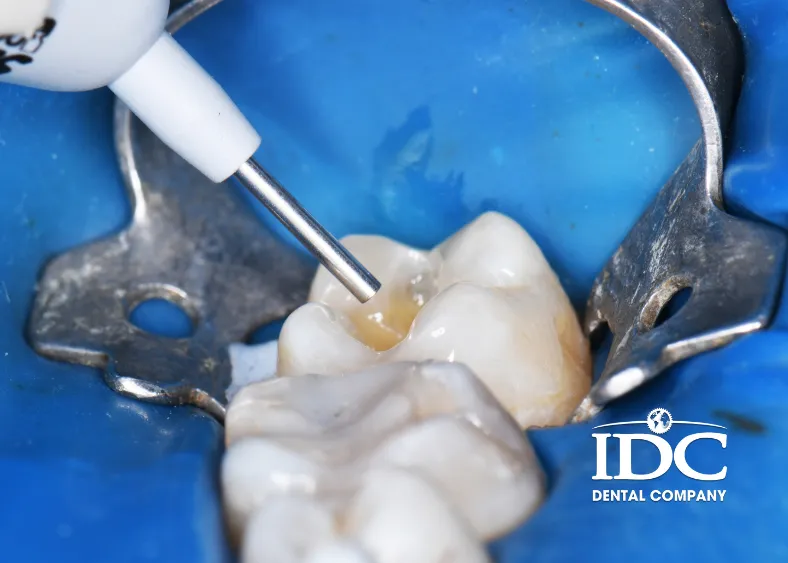
The decayed portion of the tooth is carefully removed using dental instruments.
Step 4: Filling Placement
The filling material is placed in layers, shaped to match the natural tooth, and hardened.
Step 5: Polishing and Bite Adjustment
The filling is polished, and the bite is checked to ensure comfort and proper function.
The entire procedure typically takes 20–40 minutes per tooth.
Is Cavity Filling Painful?
Modern cavity filling is generally painless. With effective anesthesia and minimally invasive techniques, most patients experience little to no discomfort during the procedure.
After treatment, mild sensitivity—especially to cold or pressure—is normal and usually subsides within a few days. Persistent pain may indicate deeper decay and should be evaluated promptly.
How Long Does a Dental Filling Last?
The lifespan of a filling depends on the material used and oral hygiene habits:
- Amalgam fillings: 10–15 years
- Composite fillings: 5–10 years
- Glass ionomer fillings: 3–7 years
Regular dental checkups help detect wear or leakage early, allowing for timely replacement.
Risks of Delaying Cavity Filling
Postponing cavity treatment can lead to serious complications:
- Decay spreads to the tooth nerve
- Need for root canal treatment
- Increased pain and infection risk
- Higher overall treatment costs
Early cavity filling is always the simplest and most economical solution.
How to Choose a Reputable Dental Clinic in Da Nang
To ensure safe and effective treatment, patients—especially foreigners—should choose clinics that offer:
- Licensed and experienced dentists
- Transparent pricing and treatment plans
- Modern equipment and strict sterilization protocols
- English-speaking staff
- Positive reviews from expats and tourists
A reputable clinic will clearly explain treatment options and costs before starting.
Cavity Filling for Expats and Dental Tourists in Da Nang
Da Nang is particularly convenient for expats and dental tourists because cavity fillings require minimal recovery time. Patients can return to daily activities immediately after treatment.
Many international visitors schedule fillings during short stays, addressing dental issues efficiently while enjoying the city’s beaches, food, and relaxed lifestyle.
Frequently Asked Questions About Cavity Filling Cost in Da Nang
How much does a cavity filling cost in Da Nang, Vietnam?
Most fillings range from USD 10 to 70 per tooth, depending on material and cavity size.
Are tooth-colored fillings more expensive?
Yes, composite fillings cost more but offer better aesthetics.
Is cavity filling safe in Da Nang?
Yes, when performed at reputable clinics with modern equipment.
Can I eat immediately after a filling?
Yes, though dentists usually recommend avoiding hard foods for a few hours.
Final Thoughts – Is Getting a Cavity Filling in Da Nang Worth It?
For patients seeking affordable, efficient, and high-quality dental care, getting a cavity filling in Da Nang, Vietnam, is absolutely worth it.
The city offers a strong combination of skilled dentists, modern clinics, and low treatment costs, encouraging early intervention and long-term oral health.
Whether you are a resident, an expat, or a traveler, treating cavities early in Da Nang helps prevent more serious dental problems—while saving time, discomfort, and money.



 WhatsApp