The cost is one of the first things many patients consider when looking for a solution to replace missing teeth. Losing one or more teeth can affect not only your smile but also your ability to chew, speak, and maintain proper oral health. Over time, untreated tooth loss may lead to tooth shifting and gradual bone loss in the jaw.
To restore missing teeth, dentists commonly recommend two treatments: dental bridges and dental implants. Both options can improve the appearance and function of your teeth, but they differ in procedure, durability, and overall cost.
Because of these differences, many patients want to understand the cost of a dental bridge compared to implants before deciding on the best treatment.
In this article, we will explain the typical cost of a dental bridge, compare it with dental implants, and discuss the factors that influence the total price of each option.
What Is a Dental Bridge?
Definition of a Dental Bridge
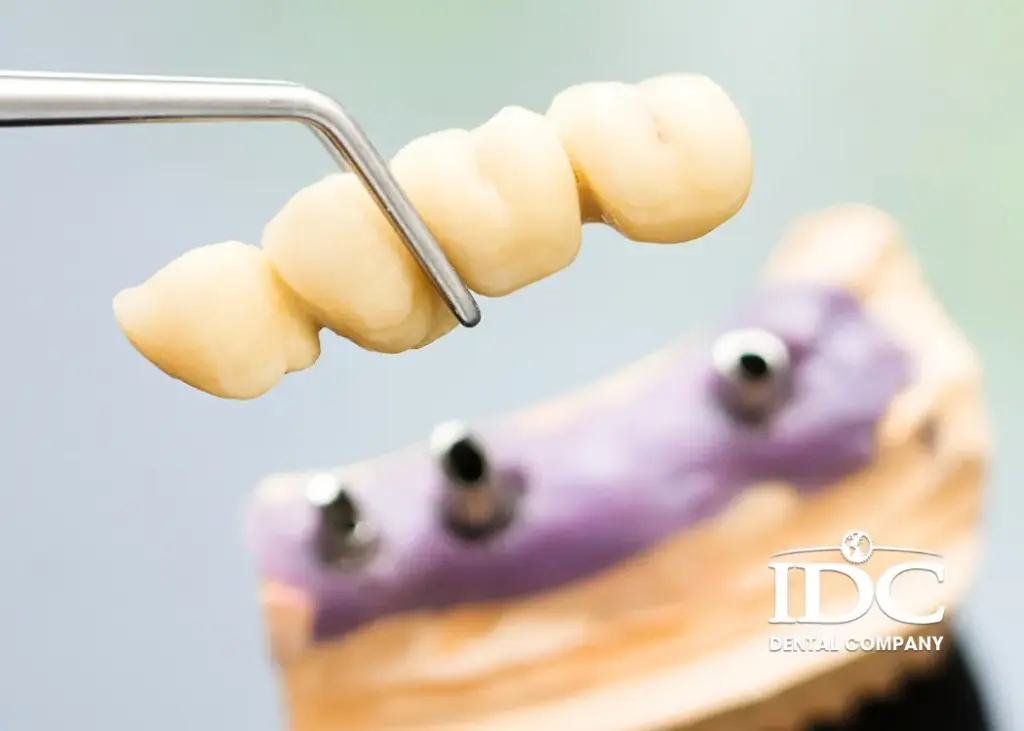
A dental bridge is a fixed dental restoration used to replace one or more missing teeth. It works by placing an artificial tooth, called a pontic, in the gap created by the missing tooth.
The pontic is supported by dental crowns placed on the adjacent teeth, known as abutment teeth.
Once installed, the dental bridge fills the space and restores the appearance and function of your teeth.
Types of Dental Bridges
There are several types of dental bridges used in modern dentistry.
Traditional Dental Bridge
This is the most common type of bridge. It consists of a pontic supported by crowns on both sides of the missing tooth.
Cantilever Bridge
A cantilever bridge is supported by a crown on only one adjacent tooth. It is usually used in areas where only one natural tooth is available for support.
Maryland Bridge
This type of bridge uses a metal or porcelain framework that is bonded to the backs of adjacent teeth rather than crowns.
Implant-Supported Bridge
Instead of relying on natural teeth, this type of bridge is supported by dental implants.
When Is a Dental Bridge Recommended?
Dentists may recommend a dental bridge when:
- One or more teeth are missing
- The surrounding teeth are healthy enough to support the bridge
- The patient prefers a faster and less invasive treatment option
- Dental implants are not suitable due to bone loss or other medical conditions
What Are Dental Implants?
Definition of Dental Implants
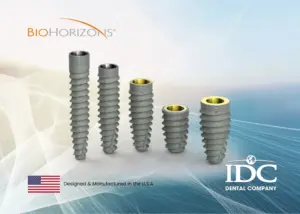
Dental implants are artificial tooth roots made of titanium that are surgically placed into the jawbone. After the implant integrates with the bone, a dental crown is attached to the implant to replace the missing tooth.
Dental implants function and look very similar to natural teeth.
Components of a Dental Implant
A complete dental implant consists of three main parts:
- Implant post: a titanium screw inserted into the jawbone
- Abutment: a connector that holds the crown
- Dental crown: the visible part that looks like a natural tooth
When Are Dental Implants Recommended?
Dental implants are often recommended for:
- Replacing a single missing tooth
- Replacing multiple missing teeth
- Patients with good jawbone density
- Patients seeking a long-term tooth replacement solution
How Much Does a Dental Bridge Cost Compared to Implants?
One of the main factors patients consider when choosing a treatment is cost.
Average Cost of a Dental Bridge
The cost of a dental bridge varies depending on the number of teeth being replaced and the material used.
Typical price ranges include:
- $500 – $1,500 per tooth
For a three-unit dental bridge replacing one missing tooth, the total cost may range from:
- $1,500 – $4,500
This price usually includes the crowns placed on the supporting teeth.
Average Cost of Dental Implants
Dental implants are generally more expensive because they require surgery and additional components.
Typical costs include:
- $1,500 – $4,000 per implant
This price may include the implant post, abutment, and crown.
If additional procedures such as bone grafting or sinus lifts are required, the total cost may increase.
Cost Comparison Table
| Treatment | Average Cost |
|---|---|
| Dental Bridge | $1,500 – $4,500 |
| Dental Implant | $3,000 – $6,000 |
Although dental implants have a higher upfront cost, they may last much longer than dental bridges.
Factors That Affect the Cost of Dental Bridges and Implants
Several factors influence the total cost of these treatments.
Number of Missing Teeth
Replacing multiple missing teeth will increase the overall cost, regardless of the treatment method.
Materials Used
The materials used for crowns or bridges can affect the price. Common materials include:
- Porcelain
- Zirconia
- Metal alloys
High-quality materials may cost more but offer better durability and aesthetics.
Additional Procedures
Some patients may require additional treatments before receiving implants or bridges, such as:
- Tooth extraction
- Bone grafting
- Gum treatment
These procedures can increase the overall treatment cost.
Location of the Dental Clinic
Dental treatment costs vary significantly between countries and regions. For example, treatment in countries like Vietnam, Thailand, or Mexico is often much more affordable than in Western countries.
Dental Bridge vs Implants: Key Differences
Understanding the differences between dental bridges and implants can help patients make the best choice.
Treatment Procedure
Dental bridges do not require surgery. The dentist prepares the adjacent teeth and places crowns to support the bridge.
Dental implants require a surgical procedure to insert the implant post into the jawbone.
Treatment Time
Dental bridges can usually be completed in two or three visits over a few weeks.
Dental implants require several months because the implant must fuse with the jawbone before the crown is placed.
Durability and Longevity
Dental bridges typically last 5 to 15 years, depending on oral hygiene and biting forces.
Dental implants can last 15 to 25 years or longer, making them one of the most durable dental restorations available.
Impact on Adjacent Teeth
Dental bridges require the dentist to reshape the adjacent teeth to support the crowns.
Dental implants do not affect neighboring teeth, making them a more conservative treatment option.
Pros and Cons of Dental Bridges vs Implants
Advantages of Dental Bridges
Dental bridges offer several benefits, including:
- Lower upfront cost
- Faster treatment time
- No surgical procedure required
- Suitable for patients with insufficient jawbone
However, bridges may require replacing supporting teeth over time.
Advantages of Dental Implants
Dental implants also provide many advantages:
- Long-lasting solution
- Preserve jawbone health
- Do not affect neighboring teeth
- Provide natural chewing function
However, implants usually require higher initial costs and longer treatment time.
Which Option Is Better: Dental Bridge or Implant?
The best treatment depends on several factors, including:
- Budget
- Oral health condition
- Number of missing teeth
- Long-term dental goals
Patients looking for a quick and affordable solution may prefer dental bridges.
Those seeking a long-term solution that closely mimics natural teeth may prefer dental implants.
A qualified dentist can evaluate the patient’s oral health and recommend the most appropriate treatment option.
Dental Tourism: Saving Money on Bridges and Implants
Because dental treatment can be expensive in many countries, dental tourism has become increasingly popular.
Many patients travel to countries like Vietnam, Thailand, and Mexico for dental care because these destinations offer high-quality treatment at much lower costs.
For example, in Vietnam:
- Dental bridge: $300 – $1,000
- Dental implant: $800 – $1,500
Despite the lower prices, many clinics in these countries use modern equipment and internationally trained dentists.
Frequently Asked Questions About Dental Bridge Cost Compared to Implants
Is a dental bridge cheaper than an implant?
Yes. Dental bridges usually have a lower initial cost compared to implants.
How long does a dental bridge last compared to implants?
Dental bridges typically last 5 to 15 years, while implants can last 20 years or more.
Are dental implants worth the higher cost?
For many patients, dental implants provide better long-term value because they are durable and help preserve bone structure.
Can a dental bridge be replaced with implants later?
Yes. In many cases, a dental bridge can be replaced with implants if the patient decides to upgrade their treatment later.


 WhatsApp