
How Often Should You Schedule a Teeth Cleaning? This is a common question for patients who believe daily brushing and flossing alone are enough to maintain oral health. In reality, even the most thorough home care routine cannot fully remove plaque and tartar buildup.
Scheduling regular professional teeth cleanings plays a key role in preventing dental disease, maintaining healthy gums, and reducing the need for more complex treatments in the future—helping protect both your smile and overall health.
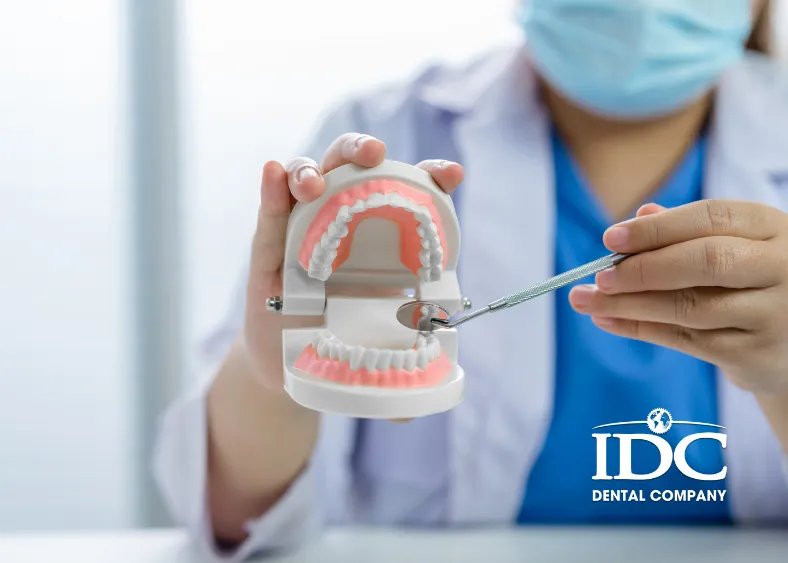
What Is Professional Teeth Cleaning?
Professional teeth cleaning, also known as scaling and polishing, is a dental procedure performed by a dentist or dental hygienist to remove plaque, tartar, and stains from the teeth.
During a typical teeth cleaning appointment, the dental professional removes hardened tartar from above and below the gum line, cleans areas that are difficult to reach with a toothbrush, and polishes the teeth to create a smooth surface that helps prevent bacteria from sticking.
Unlike brushing and flossing at home, professional cleaning can remove tartar once it has hardened, making it an essential part of long-term oral care.
How Often Should You Schedule a Teeth Cleaning?
For most people, dentists recommend scheduling a teeth cleaning every six months. This frequency allows dental professionals to remove plaque buildup before it causes cavities or gum disease and to monitor changes in oral health over time.
The six-month interval works well for individuals with generally healthy teeth and gums, no history of gum disease, and good daily oral hygiene habits.
Regular cleanings at this interval help maintain a clean, healthy mouth and prevent minor issues from becoming serious problems.
However, this recommendation is not universal. Some people may need more frequent cleanings depending on their oral health condition and risk factors.
Factors That Affect Teeth Cleaning Frequency
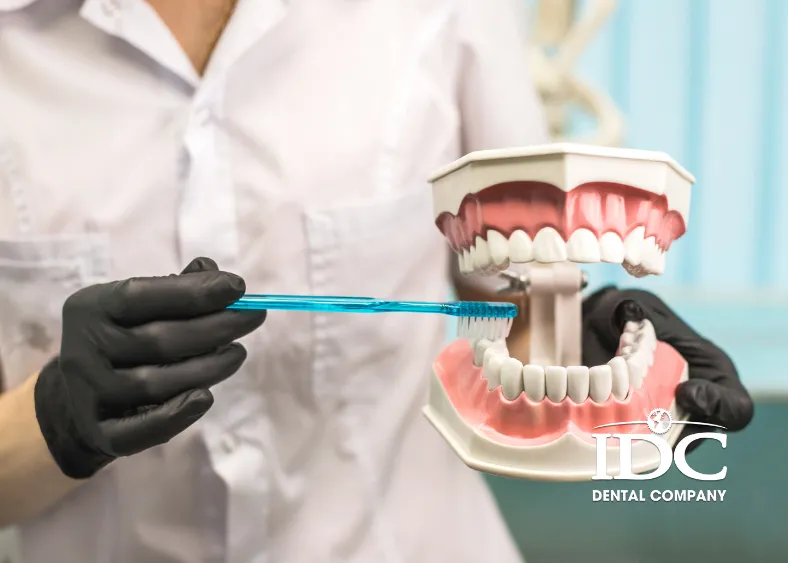
The ideal frequency for teeth cleaning varies from person to person. Several factors influence how often you should schedule professional cleanings:
Oral Health Condition
People with healthy gums and minimal plaque buildup may do well with twice-yearly cleanings, while those with gum inflammation or frequent tartar buildup may need more frequent visits.
History of Gum Disease
Patients who have had gingivitis or periodontitis are at higher risk of recurrence and often require cleanings every three to four months.
Lifestyle Habits
Smoking, vaping, and heavy coffee or tea consumption increase plaque and stain accumulation, often requiring more frequent cleanings.
Medical Conditions
Conditions such as diabetes, dry mouth, hormonal changes, or immune disorders can affect oral health and increase the risk of gum disease.
Orthodontic Treatment
Braces, aligners, and dental restorations create additional surfaces where plaque can accumulate, making more frequent cleaning beneficial.
Teeth Cleaning Frequency for Different Age Groups
Teeth Cleaning for Children
Children typically benefit from teeth cleanings every six months. Regular visits help prevent cavities, monitor tooth development, and reinforce healthy oral hygiene habits from an early age.
Teeth Cleaning for Teenagers
Teenagers may need more frequent cleanings due to hormonal changes, orthodontic treatment, or inconsistent oral hygiene habits.
Teeth Cleaning for Adults
Most adults should schedule cleanings every six months, but lifestyle factors such as smoking or stress-related grinding may increase cleaning needs.
Teeth Cleaning for Seniors
Seniors often face issues like gum recession, dry mouth, and increased cavity risk. Regular cleanings help preserve natural teeth and monitor existing restorations.
How Often Should You Get Teeth Cleaning If You Have Gum Disease?
If you have gum disease, regular teeth cleaning every six months may not be enough. In such cases, dentists often recommend maintenance cleanings every three to four months.
Patients with gingivitis may benefit from more frequent professional cleaning to reverse inflammation. Those with periodontitis typically require ongoing periodontal maintenance to prevent disease progression and tooth loss.
These specialized cleanings help control bacteria below the gum line and protect the supporting structures of the teeth.
Signs You May Need Teeth Cleaning More Often
Some warning signs indicate that you may need to schedule teeth cleanings more frequently:
- Frequent plaque or tartar buildup
- Bleeding, swollen, or tender gums
- Persistent bad breath
- Gum recession
- Tooth sensitivity
If you notice these symptoms, a dentist may recommend adjusting your cleaning schedule.
Benefits of Scheduling Regular Teeth Cleanings
Regular teeth cleanings offer a wide range of benefits beyond a cleaner smile:
- Prevention of cavities and gum disease
- Fresher breath and reduced staining
- Early detection of dental problems
- Reduced risk of tooth loss
- Long-term savings on dental treatment
By maintaining a regular cleaning schedule, patients can avoid painful procedures and protect their oral health for years to come.
What Happens If You Skip Regular Teeth Cleanings?
Skipping professional teeth cleanings allows plaque to harden into tartar, increasing the risk of cavities and gum disease. Over time, this can lead to gum inflammation, bone loss, and tooth mobility.
Patients who delay cleanings often require more extensive treatments such as deep cleaning, root canal therapy, or tooth replacement. Regular cleanings are far simpler, faster, and more cost-effective.
Is It Possible to Get Teeth Cleaning Too Often?
Professional teeth cleaning is generally safe when performed by trained dental professionals. However, unnecessary or overly aggressive cleaning may cause temporary tooth sensitivity or gum irritation.
This is why teeth cleaning schedules should be guided by a dentist, not self-determined. A personalized approach ensures optimal oral health without causing discomfort.
How to Prepare for a Teeth Cleaning Appointment
Preparing for a teeth cleaning appointment is simple:
- Brush and floss before your visit
- Share any symptoms or concerns with your dentist
- Inform the dental team about medical conditions or medications
After cleaning, dentists often recommend avoiding staining foods or drinks for a few hours and maintaining good oral hygiene at home.
Choosing the Right Dental Clinic for Teeth Cleaning
A quality dental clinic plays a crucial role in effective preventive care. When choosing a clinic, consider:
- Qualifications and experience of dental professionals
- Strict hygiene and sterilization standards
- Clear communication and patient education
- Comfortable, patient-focused environment
For international patients, English-speaking staff and transparent explanations are especially important.
Frequently Asked Questions About Teeth Cleaning Frequency
Is teeth cleaning painful?
Teeth cleaning is generally painless. Mild discomfort may occur if gums are inflamed, but it is usually temporary.
How long does a teeth cleaning appointment take?
Most appointments last between 30 and 60 minutes.
Can teeth cleaning damage enamel?
No. Professional cleaning does not damage healthy enamel when performed correctly.
Should I eat before or after a teeth cleaning?
You can eat normally, but it’s best to wait a short time if your gums feel sensitive.


 WhatsApp