
Signs of Periodontal Disease are often easy to miss, especially in the early stages when gum disease develops quietly without causing obvious pain or discomfort. As one of the most common oral health conditions worldwide, periodontal disease frequently goes undetected until noticeable damage has already occurred.
Recognizing the early warning signs is essential, as gum disease can often be treated or even reversed when caught early. If ignored, it may progress to gum recession, bone loss, loose teeth, and eventual tooth loss—making early action critical for long-term oral health.
What Is Periodontal Disease?
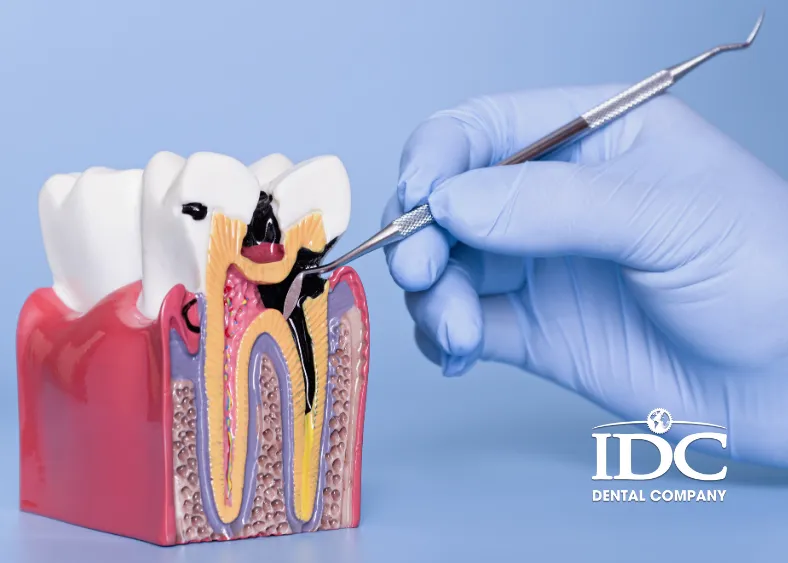
Periodontal disease is a chronic inflammatory condition affecting the gums and the supporting structures of the teeth. It begins when plaque—a sticky film of bacteria—accumulates along the gum line.
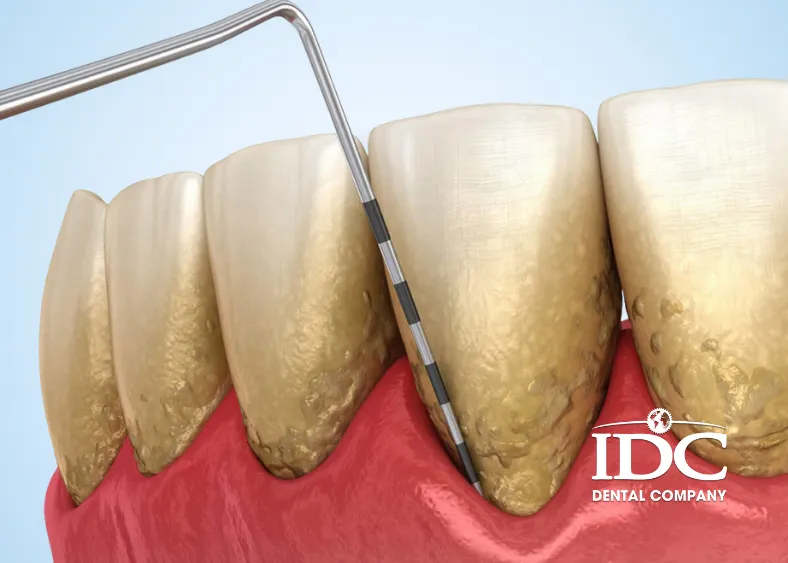
If plaque is not removed through proper oral hygiene and professional cleaning, it hardens into tartar, triggering inflammation and infection.
There are two main stages of periodontal disease:
- Gingivitis: The earliest and mildest stage, characterized by gum inflammation without bone loss.
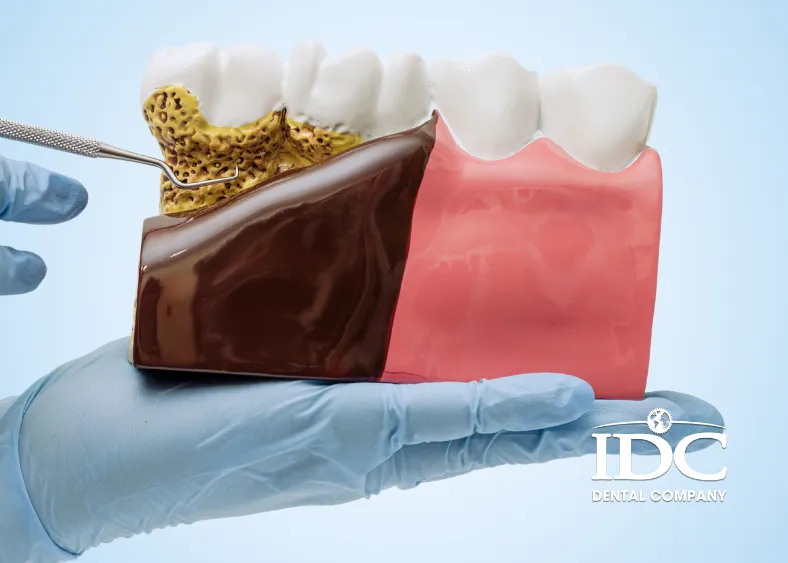
- Periodontitis: A more advanced stage where infection spreads deeper, causing gum recession, bone damage, and tooth instability.
The progression from gingivitis to periodontitis can happen gradually, often without noticeable symptoms, which makes early detection especially important.
Why It’s Important to Recognize Signs of Periodontal Disease Early
Early recognition of periodontal disease can prevent irreversible damage. Gingivitis is usually reversible with professional care and improved oral hygiene. Periodontitis, however, involves permanent bone loss and requires long-term management.
Ignoring early signs may lead to:
- Tooth loss
- Chronic bad breath
- Increased treatment complexity and cost
- Greater risk of systemic health problems
Knowing what to look for allows you to seek dental care before the condition becomes severe.
Early Signs of Periodontal Disease
The early stage of gum disease often presents subtle symptoms that are easy to overlook.
Red, Swollen, or Tender Gums
Healthy gums should appear firm and pink. Redness, swelling, or tenderness—especially around the gum line—often signals early inflammation caused by plaque buildup.
Bleeding Gums When Brushing or Flossing
Bleeding gums are one of the most common early warning signs. Many people assume this is normal, but healthy gums should not bleed during routine oral care.
Persistent Bad Breath
Chronic bad breath, or halitosis, may be caused by bacteria trapped beneath the gums. If bad breath persists despite brushing and mouthwash, it may indicate early periodontal disease.
Gum Sensitivity or Mild Discomfort
Sensitivity when brushing or mild soreness in the gums can be an early sign of inflammation, even before visible changes appear.
Moderate Signs of Periodontal Disease
As the disease progresses, symptoms become more noticeable.
Gum Recession
Gums may begin to pull away from the teeth, exposing more of the tooth surface or root. Teeth may appear longer than usual.
Increased Tartar Buildup
Visible tartar along the gum line indicates long-term plaque accumulation and a higher risk of ongoing infection.
Changes in Bite or Chewing Comfort
Some patients notice subtle changes in how their teeth fit together or mild discomfort when chewing.
Recurring Gum Inflammation
Inflammation may return repeatedly even after brushing, indicating that deeper pockets of bacteria have formed.
Advanced Signs of Periodontal Disease
In advanced stages, periodontal disease can cause serious and often irreversible damage.
Loose or Shifting Teeth
Bone loss weakens tooth support, causing teeth to feel loose or change position over time.
Pus Between Teeth and Gums
The presence of pus is a clear sign of active infection and requires immediate dental attention.
Pain When Chewing
Pain or pressure during chewing may indicate severe gum infection or abscess formation.
Tooth Loss
In the most advanced cases, teeth may fall out or require extraction due to loss of supporting bone.
Common Causes and Risk Factors of Periodontal Disease
Several factors increase the likelihood of developing gum disease:
- Poor oral hygiene
- Smoking or tobacco use
- Diabetes and other systemic conditions
- Hormonal changes (pregnancy, menopause)
- Chronic stress
- Genetic predisposition
Lifestyle habits and overall health play a major role in how quickly periodontal disease develops and progresses.
How Periodontal Disease Affects Overall Health
Periodontal disease is not limited to the mouth. Research has shown strong links between gum disease and systemic health conditions.
Chronic gum inflammation may increase the risk of:
- Heart disease and stroke
- Poor blood sugar control in diabetes
- Respiratory infections
- Complications during pregnancy
The mouth is closely connected to the rest of the body, making gum health an essential part of overall wellness.
When Should You See a Dentist?
You should see a dentist if you notice:
- Bleeding gums
- Persistent bad breath
- Gum recession
- Loose teeth
- Pain or swelling in the gums
Regular dental checkups—typically every six months—allow dentists to detect periodontal disease before symptoms become severe.
How Periodontal Disease Is Diagnosed
Dentists diagnose periodontal disease through a combination of clinical examination and diagnostic tools.
Gum Examination
The dentist checks gum color, swelling, and bleeding.
Pocket Measurements
Special instruments measure the depth of spaces between teeth and gums. Deeper pockets indicate more advanced disease.
Dental X-rays
X-rays help assess bone loss that may not be visible during a visual exam.
Early diagnosis allows for simpler, more effective treatment.
Treatment Options Based on Disease Stage
Treatment depends on how advanced the disease is.
Early Stage Treatment
- Professional teeth cleaning
- Improved oral hygiene habits
- Regular monitoring
Moderate Stage Treatment
- Deep cleaning (scaling and root planing)
- Antibacterial treatments
- Periodontal maintenance visits
Advanced Stage Treatment
- Specialized periodontal therapy
- Possible surgical intervention
- Long-term maintenance and monitoring
The earlier treatment begins, the better the outcome.
How to Prevent Periodontal Disease
Preventing gum disease is easier than treating it.
Key preventive steps include:
- Brushing twice daily with proper technique
- Flossing daily
- Scheduling regular dental cleanings
- Avoiding tobacco use
- Managing underlying health conditions
Consistency in oral care is the most effective defense against periodontal disease.
Frequently Asked Questions About Periodontal Disease
Is periodontal disease painful in the early stages?
No. Early gum disease is often painless, which is why it is frequently overlooked.
Can periodontal disease be reversed?
Gingivitis can often be reversed. Periodontitis cannot be cured, but can be managed.
How fast does periodontal disease progress?
Progression varies depending on oral hygiene, health, and lifestyle factors.
Is periodontal disease contagious?
The bacteria can be transferred, but disease development depends on individual risk factors.


 WhatsApp