
What Are the Signs of an Infected Tooth? This question often arises when tooth pain becomes persistent or is accompanied by swelling and other unusual symptoms. While mild sensitivity may be harmless, ongoing pain, along with signs such as gum swelling, bad taste, or fever, can indicate a dental infection that should not be ignored.
Recognizing these warning signs early is important, as untreated tooth infections can spread and lead to serious health complications.
What Existsan Infected Tooth?
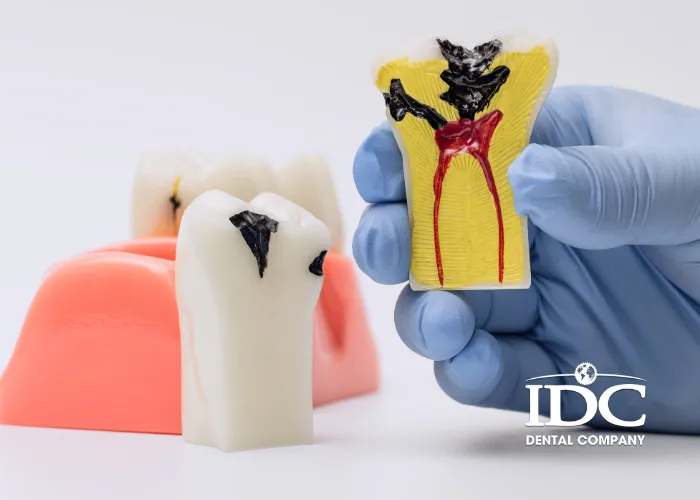
An infected tooth occurs when bacteria enter the inner layers of the tooth and reach the pulp—the soft tissue that contains nerves and blood vessels. This usually happens when tooth decay, cracks, or gum disease allow bacteria to penetrate past the enamel and dentin.
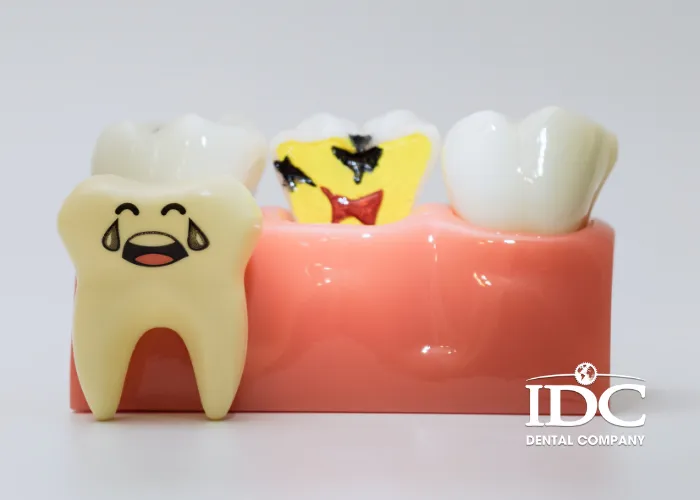
Once bacteria infect the pulp, inflammation and pressure build up inside the tooth, causing pain and discomfort. If the infection progresses, it may form a dental abscess, which is a pocket of pus that can spread to surrounding tissues, the jawbone, or even other parts of the body.
Common Signs of an Infected Tooth
Recognizing early warning signs is crucial, as prompt treatment can often save the tooth and prevent serious complications.
Persistent or Throbbing Tooth Pain
One of the most noticeable signs of an infected tooth is ongoing or throbbing pain that does not go away.
This pain may:
- Feel constant or pulsating
- Worsens when lying down or at night
- Radiate to the jaw, ear, or neck
- Intensify when biting or chewing
Unlike mild sensitivity, infection-related pain typically worsens over time rather than improving on its own.
Swelling in the Gums, Face, or Jaw
Swelling is a strong indicator that infection is present. It may appear as:
- Swollen gum tissue near the affected tooth
- Puffiness in the cheek or jaw
- Tender or firm swelling that worsens quickly
Swelling occurs as the body attempts to contain the infection. Facial swelling, especially when it spreads, is a serious warning sign and requires immediate attention.
Sensitivity to Hot and Cold That Lingers
Temporary sensitivity is common, but lingering sensitivity to hot or cold can indicate nerve involvement due to infection.
Red flags include:
- Pain that lasts long after the temperature stimulus is removed
- Increased discomfort with hot drinks
- Sensitivity that does not improve over several days
This prolonged response often signals damage or inflammation of the tooth pulp.
Bad Taste or Pus in the Mouth
A bad taste that persists despite brushing may indicate pus draining from an infected tooth.
Signs include:
- Metallic or foul taste in the mouth
- Unpleasant breath that does not improve
- Visible pus near the gumline
This symptom often suggests the presence of a dental abscess and should be treated promptly.
Gum Redness, Tenderness, or a Pimple-like Bump
A small bump on the gums near a painful tooth—often called a gum boil—is a classic sign of an infected tooth.
This bump may:
- Appear red or swollen
- Feel tender to the touch
- Release pus when pressed
Even if pain temporarily decreases after drainage, the infection remains active and requires professional treatment.
Advanced or Severe Signs of an Infected Tooth
If an infected tooth is left untreated, symptoms can become more serious and potentially life-threatening.
Fever and General Illness
When infection spreads beyond the tooth, the body may respond with:
- Fever or chills
- Fatigue or weakness
- Headaches
- A general feeling of illness
Fever combined with dental pain is a clear sign that the infection is spreading and requires urgent care.
Difficulty Chewing, Opening the Mouth, or Swallowing
As infection spreads to surrounding tissues, it may affect jaw muscles and lymph nodes, causing:
- Pain or stiffness when opening the mouth
- Difficulty chewing food
- Trouble swallowing
These symptoms suggest deeper tissue involvement and should not be ignored.
Facial Asymmetry or Rapidly Increasing Swelling
Severe dental infections can lead to visible facial swelling or asymmetry, sometimes referred to as facial cellulitis.
Emergency warning signs include:
- Rapid swelling on one side of the face
- Tight or shiny skin
- Difficulty breathing or speaking
This is a medical emergency and requires immediate treatment.
What Causes a Tooth to Become Infected?
Understanding the causes of tooth infection helps explain why symptoms develop and how they can be prevented.
Common causes include:
- Untreated tooth decay reaching the pulp
- Cracked or broken teeth
- Failed or leaking fillings and crowns
- Advanced gum disease
- Dental trauma
Ignoring early dental issues significantly increases the risk of infection.
Who Is at Higher Risk of Tooth Infection?
Some people are more prone to developing infected teeth, including:
- Individuals with poor oral hygiene
- Those who delay dental treatment
- People with weakened immune systems
- Smokers
- Patients with a history of dental trauma
Regular dental checkups are especially important for these groups.
How Long Can an Infected Tooth Go Untreated?
A tooth infection will not heal on its own. While pain may temporarily decrease, the bacteria remain active.
Without treatment, an infected tooth can lead to:
- Bone loss around the tooth
- Spread of infection to the jaw or sinuses
- Bloodstream infection
- Serious, life-threatening complications
Delaying treatment increases health risks and often results in more complex procedures.
What to Do If You Notice Signs of an Infected Tooth
When to See a Dentist Immediately
You should seek dental care promptly if you experience:
- Persistent or severe tooth pain
- Swelling in the gums, face, or jaw
- Fever with dental discomfort
- Pus or gum boils
Early intervention improves outcomes and reduces complications.
What to Avoid Before Treatment
Avoid:
- Self-medicating with antibiotics
- Relying solely on home remedies
- Applying heat to the face
- Ignoring symptoms once pain subsides
These actions may worsen the infection or delay proper care.
How Is an Infected Tooth Diagnosed?
Dentists diagnose infected teeth using:
- Clinical examination
- Dental X-rays
- Sensitivity and percussion tests
- Evaluation of swelling or drainage
Imaging helps determine the extent of infection and guides appropriate treatment.
Treatment Options for an Infected Tooth
Root Canal Treatment
Root canal therapy is often recommended when the tooth can be saved.
It involves:
- Removing infected pulp
- Cleaning and disinfecting the canal
- Sealing the tooth to prevent reinfection
This treatment relieves pain and preserves the natural tooth.
Tooth Extraction
If the tooth is severely damaged or infection is extensive, extraction may be necessary.
After extraction, replacement options such as dental implants or bridges can restore function and appearance.
Antibiotics and Pain Management
Antibiotics may be prescribed to control infection, but cannot cure the infection alone.
They are typically used:
- Alongside dental treatment
- For severe or spreading infections
Pain relievers may help manage discomfort temporarily.
Can You Prevent Tooth Infections?
Early Dental Checkups and Treatment
Routine dental exams allow early detection of cavities, cracks, and gum disease before infection develops.
Maintaining Good Oral Hygiene
Preventive habits include:
- Brushing twice daily with fluoride toothpaste
- Flossing daily
- Limiting sugary and acidic foods
Protecting Teeth from Damage
Avoid habits that increase infection risk, such as:
- Chewing ice or hard objects
- Using teeth as tools
- Ignoring dental trauma
Frequently Asked Questions About Infected Teeth
Can a tooth infection heal on its own?
No. Tooth infections require professional dental treatment.
Is the tooth infection pain constant?
Pain may fluctuate, but the infection remains active even if discomfort temporarily decreases.
Can antibiotics cure an infected tooth permanently?
No. Antibiotics control bacteria but do not eliminate the source of infection.
When is an infected tooth considered an emergency?
When symptoms include fever, facial swelling, difficulty breathing, or trouble swallowing.



 WhatsApp