
Foods Should I Avoid After Getting Braces is one of the most common questions patients ask after starting orthodontic treatment. Once braces are in place, certain everyday foods can put excess pressure on brackets and wires, leading to breakage, discomfort, or unnecessary treatment delays.
Knowing which foods to avoid after getting braces helps protect your orthodontic appliances, minimize pain, and keep your treatment on track.
In this guide, you’ll learn which foods can damage braces, why they should be avoided, and how long dietary restrictions usually apply during your orthodontic journey.

Why Food Restrictions Are Important After Getting Braces
Braces work by applying continuous pressure to move teeth into proper alignment. Brackets are bonded to your teeth, and wires connect them to guide movement. While modern braces are durable, they are not indestructible.
Eating the wrong foods can lead to:
- Broken or loosened brackets
- Bent or snapped wires
- Increased soreness and mouth irritation
- Emergency dental visits
- Extended treatment time
Food particles can also easily get trapped around brackets and wires, increasing the risk of cavities, plaque buildup, and gum disease.
Following dietary guidelines is not just about protecting your braces—it’s also about maintaining good oral health during orthodontic treatment.
Hard Foods to Avoid After Getting Braces
Nuts and Seeds
Hard nuts such as almonds, peanuts, cashews, and mixed nuts can easily crack brackets or bend orthodontic wires. Seeds, including sunflower and pumpkin seeds, often get lodged between brackets and gums, making them difficult to clean.
Even biting down gently can apply enough pressure to damage braces, especially in the first few weeks after installation.
Hard Fruits and Vegetables
Foods like apples, carrots, corn on the cob, and raw broccoli are risky when eaten whole. Biting directly into hard produce places excessive force on your front brackets.
If you want to eat fruits and vegetables, cut them into small pieces or cook them until they are soft enough to chew safely.
Ice and Hard Candies
Chewing ice is one of the most common causes of broken braces. Ice cubes are extremely hard and can instantly crack brackets or damage wires.
Hard candies such as jawbreakers, lollipops, and mints should also be avoided. Even sucking on them can cause accidental biting that leads to orthodontic damage.
Sticky and Chewy Foods That Can Damage Braces
Chewing Gum
Gum sticks easily to brackets and wires, making it difficult to remove completely. Sticky residue can trap bacteria and increase plaque buildup around braces.
While some orthodontists allow sugar-free gum in limited cases, it is generally safer to avoid gum altogether during treatment.
Caramel, Toffee, and Taffy
Sticky sweets like caramel, toffee, and taffy can pull brackets off your teeth.
These candies stretch and cling to orthodontic hardware, creating strong pulling forces that braces are not designed to withstand.
Gummy Candies
Gummy bears, fruit chews, jelly candies, and similar treats are especially problematic.
They get wrapped around wires and brackets, increasing the risk of bending wires and trapping sugar against your teeth.
Crunchy and Brittle Foods to Be Careful With
Chips and Pretzels
Potato chips, tortilla chips, and pretzels may seem harmless, but their sharp edges and crunch can damage braces when bitten incorrectly. Small fragments can also get stuck under wires and between brackets.
Popcorn
Popcorn is one of the most frequently restricted foods for braces wearers. Unpopped kernels are hard enough to break brackets, while husks can lodge deep into gums and cause irritation or infection.
Crackers and Hard Cookies
Dry, crunchy crackers and hard cookies apply uneven pressure to braces. Biting down on these foods can loosen brackets or snap wires, especially if they are thick or dense.
Foods That Increase the Risk of Cavities with Braces
Sugary Foods and Drinks
Candy, soda, sweetened juices, energy drinks, and desserts significantly increase cavity risk when you have braces. Sugar feeds bacteria, which produce acid that weakens enamel.
Because braces create more surfaces for plaque to hide, sugary foods are more harmful during orthodontic treatment than usual.
Starchy Foods
White bread, fries, chips, and pasta break down into sugar and stick easily to brackets. Starch particles can remain trapped even after brushing if oral hygiene is not thorough.
Limiting starchy foods helps reduce plaque buildup and keeps your teeth healthier throughout treatment.
Foods That Can Cause Discomfort Right After Braces Are Installed
Very Hot or Very Cold Foods
After getting braces—or following adjustments—your teeth may be sensitive. Extremely hot or cold foods can intensify discomfort and cause sharp pain.
Allow foods and drinks to cool to a moderate temperature before consuming them.
Spicy and Acidic Foods
Spicy foods, citrus fruits, vinegar-based dishes, and acidic sauces can irritate the soft tissues of your mouth. Braces may rub against cheeks and lips, making them more prone to irritation during the early stages of treatment.
Can I Eat These Foods If They Are Cut or Prepared Properly?
In many cases, yes. Food preparation plays a big role in braces’ safety.
Helpful tips include:
- Cutting hard foods into small, bite-sized pieces
- Cooking or steaming vegetables to soften them
- Removing crusts from bread or pizza
- Avoiding biting with front teeth
These adjustments allow you to enjoy a wider variety of foods without risking damage to your braces.
What Foods Are Safe and Recommended After Getting Braces
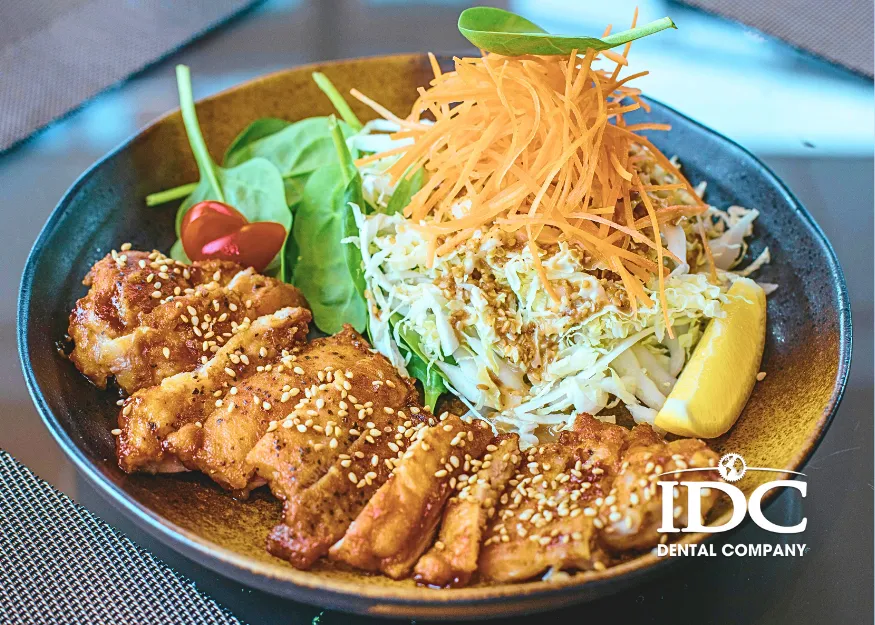
Soft Foods for the First Few Days
During the initial adjustment period, stick to soft foods that require minimal chewing, such as:
- Yogurt
- Soup and broth
- Mashed potatoes
- Oatmeal
- Smoothies
These foods help reduce soreness while still providing adequate nutrition.
Braces-Friendly Meals
As discomfort decreases, you can gradually add:
- Scrambled eggs
- Soft pasta
- Rice
- Steamed vegetables
- Soft fish or tofu
These meals are gentle on braces while allowing for balanced nutrition.
Healthy Snacks for Bracers Wearers
Good snack options include:
- Soft fruits like bananas and berries
- Cheese and yogurt
- Applesauce
- Nut-free protein shakes
Choosing braces-friendly snacks reduces the risk of damage and cavities.
How long do I need to avoid these foods?
Some restrictions are temporary, while others last throughout your orthodontic treatment.
- First 1–2 weeks: Avoid most hard, chewy, or crunchy foods
- Long-term: Hard candies, sticky sweets, popcorn, and ice should be avoided until braces are removed
Dietary rules may vary slightly depending on whether you have metal braces, ceramic braces, or clear aligners. Always follow your orthodontist’s specific advice.
Tips for Eating Comfortably and Safely with Braces
- Chew slowly and use your back teeth
- Take smaller bites
- Brush and floss carefully after meals
- Use orthodontic wax to prevent irritation
- Rinse with water if brushing is not immediately possible
These habits help protect your braces and maintain oral hygiene.
What Happens If I Accidentally Eat the Wrong Food?
Accidents happen. If you notice:
- A loose or broken bracket
- A wire poking your cheek or gums
- Pain or pressure that feels unusual
Contact your orthodontist as soon as possible. Avoid trying to fix braces yourself, as this can cause further damage.
Frequently Asked Questions About Eating with Braces
Can I eat pizza with braces?
Yes, if the crust is soft and you avoid biting with your front teeth.
Is popcorn ever safe with braces?
No, popcorn kernels and husks pose a high risk throughout treatment.
Can I chew gum with braces?
It’s best to avoid gum, especially sticky or sugary varieties.
Final Advice on Diet After Getting Braces
Knowing what foods to avoid after getting braces plays a major role in protecting your orthodontic investment. Avoiding hard, sticky, crunchy, and sugary foods helps prevent damage, reduces discomfort, and keeps your treatment on schedule.
By choosing braces-friendly foods and maintaining good oral hygiene, you can enjoy a smoother orthodontic journey—and achieve your perfect smile faster and more safely.


 WhatsApp