
The difference between a dental crown and a veneer is a common topic among patients looking to improve or restore their smiles.
Although both treatments can enhance the appearance of teeth, they are designed for different dental conditions and serve distinct purposes.
This article explains how dental crowns and veneers work, highlights their key differences, and helps you understand which option may be more suitable based on your dental needs and long-term oral health.
What Is a Dental Crown?
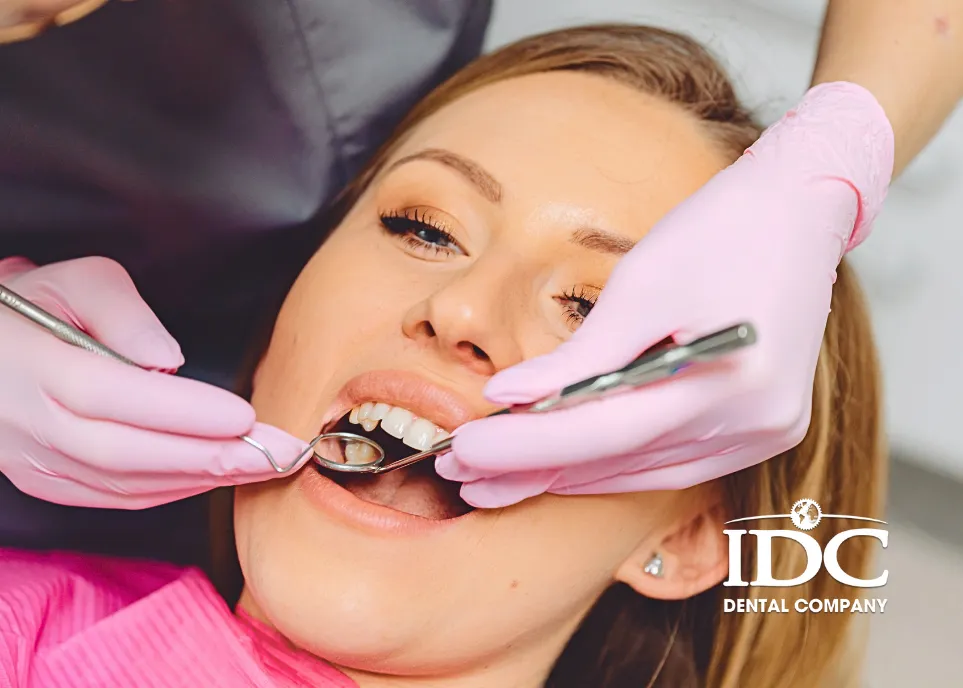
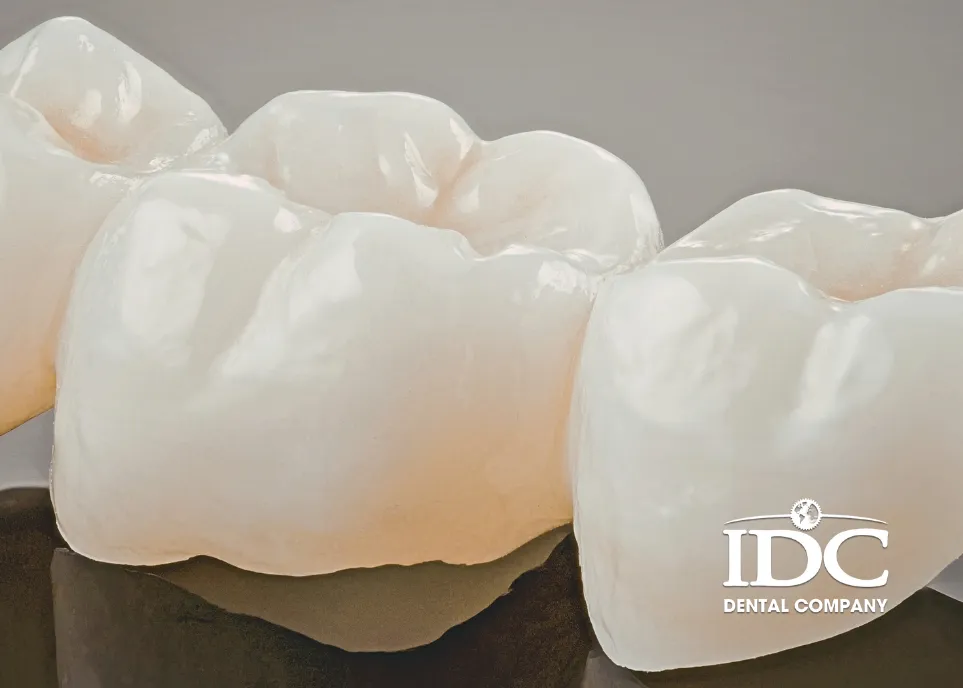
A dental crown is a tooth-shaped cap that completely covers the visible portion of a damaged or weakened tooth. Its primary purpose is to restore strength, function, and structure while also improving appearance.
When Is a Dental Crown Needed?
A dentist may recommend a crown if a tooth:
- Is severely decayed or weakened
- Has a large filling that compromises tooth strength
- Is cracked, broken, or worn down
- Has undergone root canal treatment
- Needs protection after significant tooth damage
Crowns are often considered a restorative treatment rather than purely cosmetic.
How a Dental Crown Works
The crown encases the entire tooth above the gum line, reinforcing it and protecting it from further damage. This full coverage makes crowns ideal for teeth that must withstand heavy biting forces, such as molars.
What Is a Dental Veneer?
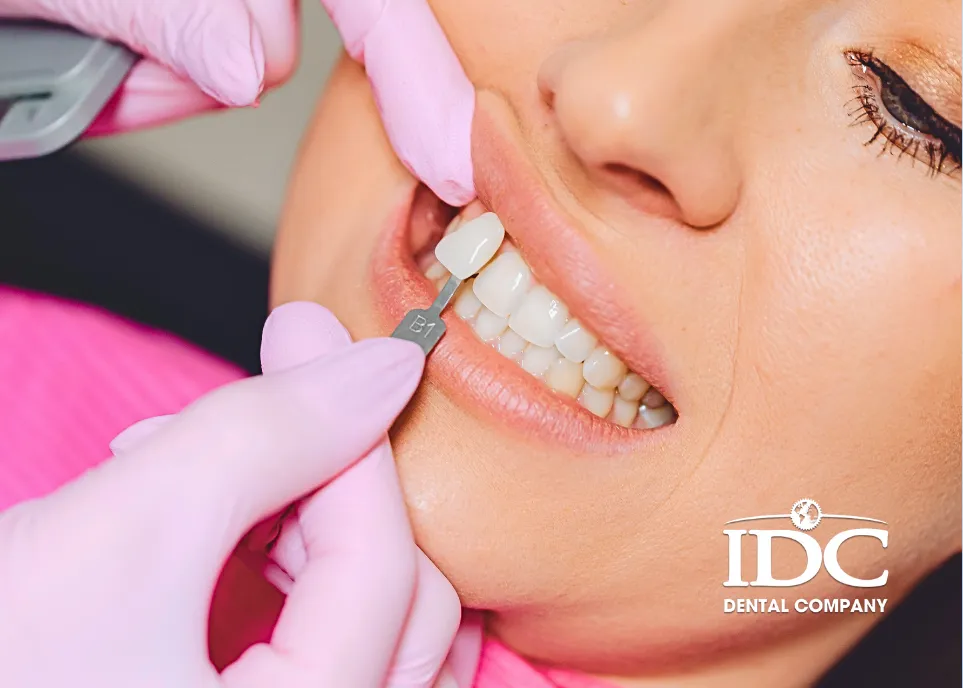
A dental veneer is a thin shell—usually made of porcelain or composite resin—that is bonded to the front surface of a tooth. Veneers are primarily used for cosmetic enhancement rather than structural repair.
When Is a Dental Veneer Used?
Veneers are typically recommended for teeth that:
- Are discolored and resistant to whitening
- Have minor chips or cracks
- Are slightly misaligned or uneven
- Have gaps between them
- Appear worn or irregular in shape
Veneers are best suited for teeth that are structurally healthy but need aesthetic improvement.
How a Dental Veneer Works
Unlike crowns, veneers only cover the front-facing surface of the tooth. This allows dentists to preserve more natural tooth structure while enhancing the smile’s appearance.
The difference between a dental crown and a veneer
| Feature | Dental Crown | Dental Veneer |
|---|---|---|
| Coverage | Entire tooth | Front surface only |
| Purpose | Restoration + protection | Cosmetic enhancement |
| Tooth reduction | Moderate to significant | Minimal |
| Strength | Very high | Moderate |
| Best for | Damaged or weak teeth | Healthy teeth with cosmetic flaws |
Tooth Preparation: Crown vs Veneer
Tooth Preparation for a Dental Crown
Preparing a tooth for a crown involves removing a significant amount of enamel from all sides of the tooth. This creates enough space for the crown material and ensures a secure fit.
Because of the extensive preparation, crowns are generally irreversible.
Tooth Preparation for a Dental Veneer
Veneer preparation is much more conservative. Only a thin layer of enamel is removed from the front of the tooth—sometimes less than 1 millimeter.
This makes veneers a more minimally invasive option, though they are still considered permanent.
Strength and Durability: Crown vs Veneer
How Durable Are Dental Crowns?
Dental crowns are extremely strong and can last 10–15 years or longer with proper care. Because they cover the entire tooth, they provide excellent protection against fractures and wear.
Crowns are especially durable for back teeth that endure heavy chewing forces.
How Durable Are Dental Veneers?
Porcelain veneers typically last 10–15 years, while composite veneers may last 5–7 years. Veneers are strong but more prone to chipping compared to crowns, especially if used on teeth exposed to heavy biting.
Aesthetic Results: Crown vs Veneer
Appearance of Dental Crowns
Modern crowns are made from high-quality porcelain or ceramic materials that closely mimic natural teeth. When properly designed, crowns can look very natural and blend seamlessly with surrounding teeth.
Appearance of Dental Veneers
Veneers are widely considered the gold standard for cosmetic dentistry. Because they are thin and placed on the front surface of the tooth, veneers offer exceptional translucency and color control—ideal for smile makeovers.
Dental Crown vs Veneer: Which Looks More Natural?
In purely cosmetic cases, veneers often provide a more refined aesthetic result. However, when crowns are crafted with advanced materials and techniques, the visual difference can be minimal.
The choice depends more on tooth condition than appearance alone.
Cost Comparison: Dental Crown vs Veneer
Cost of a Dental Crown
The cost of a dental crown depends on:
- Material used (porcelain, zirconia, metal-ceramic)
- Tooth location
- Clinic and dentist expertise
Crowns are often more expensive than veneers due to the complexity and materials involved.
Cost of a Dental Veneer
Veneers are usually priced per tooth and can vary based on:
- Porcelain vs composite material
- Number of veneers placed
- Cosmetic expertise required
While veneers may cost less per tooth, smile makeovers involving multiple veneers can be a significant investment.
Dental Crown vs Veneer: Which Is More Invasive?
Dental crowns are more invasive because they require more enamel removal. Veneers preserve more natural tooth structure and are therefore considered less invasive.
However, invasiveness alone should not determine the choice—tooth health is the priority.
Which Is Better for Front Teeth: a crown or a veneer?
- Veneers are usually preferred for front teeth with cosmetic issues only.
- Crowns are recommended if front teeth are cracked, heavily filled, or weakened.
A dental evaluation is essential to determine the safest option.
Which Is Better for Back Teeth?
Dental crowns are almost always the better choice for molars and premolars due to their superior strength and full coverage.
Veneers are rarely used on back teeth because they cannot withstand strong chewing forces.
Longevity and Maintenance
Caring for Dental Crowns
- Brush and floss daily
- Avoid chewing ice or hard objects
- Maintain regular dental checkups
Caring for Dental Veneers
- Practice good oral hygiene
- Avoid biting hard foods with front teeth
- Wear a night guard if you grind your teeth
Both treatments require ongoing care to maximize lifespan.
Are Dental Crowns or Veneers Reversible?
Neither crowns nor veneers are reversible because enamel removal is required. However, veneers remove significantly less enamel compared to crowns.
This is why dentists emphasize careful planning before cosmetic procedures.
Who Is a Good Candidate for a Dental Crown?
You may be a good candidate if you have:
- Extensive tooth damage
- Root canal-treated teeth
- Large fillings
- Weak or fractured teeth
Crowns prioritize function and protection.
Who Is a Good Candidate for a Dental Veneer?
Veneers are ideal if you have:
- Healthy teeth and gums
- Cosmetic concerns such as discoloration or gaps
- Minor shape or alignment issues
Veneers focus on appearance and smile enhancement.
Dental Crown or Veneer: How to Choose the Right Option
Choosing between a crown and a veneer depends on:
- Tooth strength and structure
- Cosmetic goals
- Budget
- Long-term oral health
A professional dental consultation is the best way to determine the most appropriate treatment.
Frequently Asked Questions
Can a veneer replace a crown?
No. Veneers cannot restore structural damage like crowns can.
Is a crown stronger than a veneer?
Yes. Crowns provide significantly more strength and protection.
Can veneers be placed on crowned teeth?
No. Veneers require natural tooth enamel for bonding.
Which lasts longer: a crown or a veneer?
Both can last over a decade with proper care, but crowns are generally more durable.

 WhatsApp