
A straight, well-aligned smile is not just about appearance—it also plays an important role in oral health, chewing function, and long-term dental stability. One of the most common questions patients and parents ask orthodontists is: When is the best age to get braces?
The short answer is: there is no single “perfect” age, but some stages of life offer unique advantages. In this article, we will explore how age affects orthodontic treatment, the best time to get braces for children, teenagers, and adults, and why it is never too late to improve your smile.
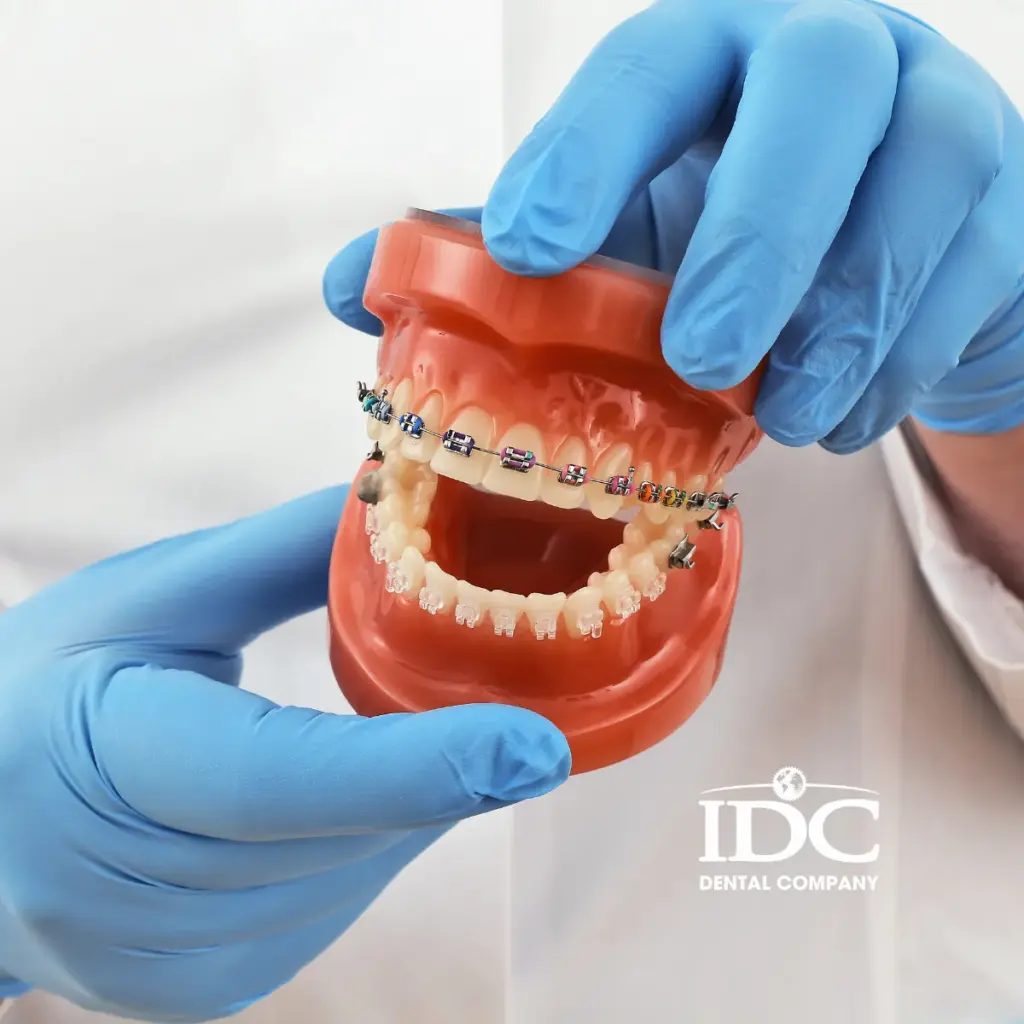
What are braces and why are they needed?
Dental braces are orthodontic devices designed to correct misaligned teeth and jaws. They apply continuous, gentle pressure over time to move teeth into proper positions.
Braces are commonly used to treat:
- Crooked or rotated teeth
- Crowded teeth
- Gaps between teeth
- Overbite, underbite, or crossbite
- Jaw alignment issues
Correcting these problems not only improves appearance but also helps prevent tooth wear, gum disease, jaw pain, and difficulty cleaning teeth.
Why age matters in orthodontic treatment
Age plays a role in orthodontic treatment because teeth and jawbones change over time.
- Children and teenagers have growing jaws and more flexible bone structure, making tooth movement easier.
- Adults have fully developed bones, which may slow tooth movement slightly, but does not prevent successful treatment.
While earlier treatment can sometimes be simpler, modern orthodontics allows people of all ages to achieve excellent results.
What is the best age to get braces, according to dentists?
Most orthodontic associations recommend that children have their first orthodontic evaluation around age 7. This does not mean braces are needed immediately, but it allows orthodontists to identify potential problems early.
The most common age for braces is between 9 and 14 years old, when:
- Most permanent teeth have erupted
- Jaw growth is still ongoing
- Teeth respond well to orthodontic pressure
However, dentists agree that the best age to get braces is when the problem is identified and the mouth is healthy enough for treatment.
Getting braces at different ages
The best age to get braces for children
Children between 7 and 10 years old usually do not need full braces, but early evaluation is critical.
At this stage, orthodontists may recommend:
- Monitoring tooth and jaw development
- Phase 1 orthodontic treatment
- Space maintainers or expanders
Early treatment can guide jaw growth, reduce crowding, and prevent more complex problems later.
The best age to get braces for teenagers
Teenage years, typically 11 to 17, are considered the most common and often ideal time for braces.
Benefits of getting braces as a teenager include:
- Permanent teeth are fully erupted
- Jaw growth can still be guided
- Faster and more predictable tooth movement
- Shorter overall treatment time
Teenagers also tend to adapt quickly to braces and are often motivated by cosmetic improvement.
Best age to get braces for adults
Many adults wonder if they are “too old” for braces. The truth is: there is no age limit for orthodontic treatment.
Adults in their 20s, 30s, 40s, and even 60s successfully get braces every day. The main requirements are:
- Healthy gums
- No untreated tooth decay
- Commitment to oral hygiene
While treatment may take slightly longer for adults, the results can be just as effective and long-lasting.
Can You Get Braces at Any Age?
Yes. Braces can work at almost any age as long as your teeth and gums are healthy.
Orthodontic treatment is no longer limited to children and teenagers. With advances in technology, adults can choose discreet options like ceramic braces or clear aligners, making treatment more comfortable and aesthetic.
Age alone should never be the reason to avoid orthodontic care.
How Long Does Orthodontic Treatment Take at Different Ages?
Treatment duration varies depending on age, severity of misalignment, and the type of braces used.
- Children (Phase 1 treatment): 6–12 months
- Teenagers: 12–24 months
- Adults: 18–30 months on average
Factors affecting treatment time include:
- Bone density
- Oral hygiene
- Consistency with appointments
- Use of retainers after treatment
Types of Braces Suitable for Different Ages
Traditional Metal Braces
- Strong and effective
- Suitable for all ages
- Most common for children and teens
Ceramic Braces
- Tooth-colored and less visible
- Popular among teenagers and adults
Self-Ligating Braces
- Faster adjustments
- Less friction
- Comfortable for all age groups
Clear Aligners (Invisalign)
- Nearly invisible
- Removable
- Ideal for responsible teens and adults
The best option depends on age, lifestyle, and orthodontic needs.
Benefits of getting braces at the right age
Starting orthodontic treatment at the appropriate time can offer many advantages:
- Easier tooth movement
- Shorter treatment duration
- Better jaw development
- Reduced risk of future dental problems
- Improved confidence and self-esteem
However, even if the “ideal” age has passed, orthodontic treatment still delivers significant benefits.
Risks of delaying braces for too long
Delaying orthodontic treatment can lead to:
- Worsening misalignment
- Increased risk of cavities and gum disease
- Uneven tooth wear
- Jaw pain or TMJ disorders
- More complex and costly treatment later
Early evaluation helps prevent these issues and simplifies treatment planning.
How to know if you or your child needs braces
Signs that braces may be needed include:
- Crowded or overlapping teeth
- Difficulty biting or chewing
- Mouth breathing
- Jaw clicking or pain
- Early or late loss of baby teeth
An orthodontic consultation is the best way to determine the right timing for treatment.
Cost Considerations for Braces at Different Ages
The cost of braces varies based on age, complexity, and treatment type.
- Children may require two phases of treatment
- Teenagers typically need one comprehensive phase
- Adults may need additional periodontal care
In many cases, early treatment can reduce total costs by preventing severe problems.
Braces vs Clear Aligners: Does Age Matter?
Age influences treatment choice but does not limit options.
- Children: Traditional braces are often more effective
- Teenagers: braces or aligners, depending on compliance
- Adults: Clear aligners are popular due to aesthetics
The key factor is discipline—aligners require consistent wear to be effective.
Braces for Foreigners and International Patients
Many international patients choose orthodontic treatment while living or traveling abroad.
Benefits include:
- International-standard orthodontic care
- English-speaking dentists
- Modern technology
- Affordable treatment plans
Treatment plans can be customized to accommodate travel schedules.
Frequently Asked Questions About the Best Age to Get Braces
What is the youngest age for braces?
Early evaluations start at age 7, but full braces are usually placed later.
Is 30 too old for braces?
No. Adults of any age can benefit from braces.
Do braces work faster on kids?
Yes, growing bones often allow quicker movement.
Are braces more painful at certain ages?
Discomfort is similar at all ages and is usually temporary.
How often are adjustment visits?
Typically every 4–8 weeks.

 WhatsApp