
Understanding why scaling important for gum health is essential for anyone who wants to maintain a strong, healthy smile for life. Even with good daily brushing and flossing habits, plaque and tartar can still accumulate in hard-to-reach areas below the gum line.
Over time, this buildup allows harmful bacteria to grow, increasing the risk of gum inflammation, bleeding, bad breath, and more serious conditions such as periodontal disease and tooth loss.
Regular professional scaling helps remove these deposits, control bacterial growth, and keep the gums firm and healthy.
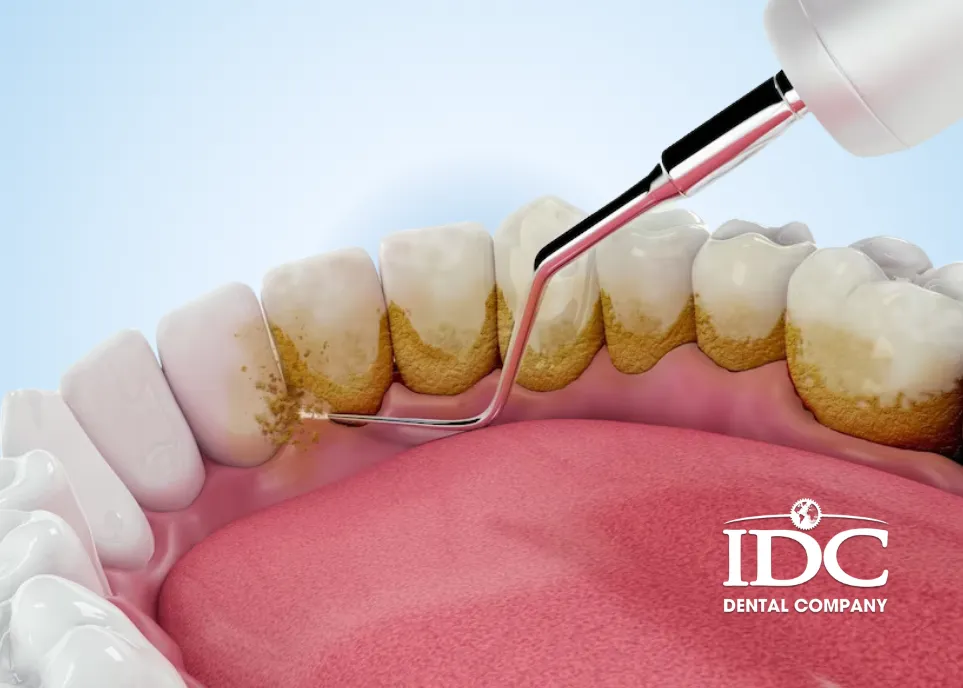
This guide will help you understand what dental scaling involves, how it protects your gums, how often it should be done, and the potential risks of delaying this important preventive care.
What Is Dental Scaling?
Dental scaling is a professional procedure performed by a dentist or dental hygienist to remove plaque, tartar (calculus), and bacteria from the surfaces of your teeth and along the gumline.
Scaling vs. Daily Brushing
Brushing and flossing help remove soft plaque, but when plaque is not cleaned properly, it hardens into tartar within 24–72 hours. Once tartar forms, it cannot be removed at home and requires professional scaling.
Scaling vs. Deep Cleaning
- Routine scaling: Preventive cleaning for healthy gums
- Scaling and root planing: Deep cleaning for patients with gum disease, where bacteria are removed from below the gumline
Regular scaling is one of the most effective ways to maintain gum health and prevent serious dental problems.
Why Is Regular Scaling Important for Gum Health?
1. Prevents Plaque from Turning into Tartar
Plaque is a sticky film of bacteria that forms on teeth daily. If not removed properly:
- It hardens into tartar
- Tartar creates a rough surface that attracts more bacteria
- Bacteria release toxins that irritate gum tissue
Regular scaling removes tartar before it causes long-term damage.
2. Prevents Gingivitis (Early Gum Disease)
Gingivitis is the earliest stage of gum disease and is very common.
Symptoms include:
- Red or swollen gums
- Bleeding when brushing or flossing
- Tender gum tissue
The good news is that gingivitis is reversible. Professional scaling combined with good oral hygiene can restore gum health quickly.
3. Reduces the Risk of Periodontitis
If gingivitis is left untreated, it can progress to periodontitis, a serious infection that damages the bone and tissues supporting the teeth.
Periodontitis can cause:
- Gum recession
- Deep pockets around teeth
- Loose teeth
- Tooth loss
Regular scaling helps prevent this progression by removing bacteria before they reach deeper tissues.
4. Controls Gum Inflammation and Bleeding
Bacterial toxins irritate the gums and cause inflammation. Scaling removes these irritants, allowing the gums to heal and reattach to the teeth.
After regular scaling, patients often notice:
- Less bleeding when brushing
- Reduced swelling
- Healthier gum color and texture
5. Eliminates Bad Breath
Chronic bad breath (halitosis) is often caused by bacteria and tartar buildup along the gumline.
Regular scaling removes the source of odor, resulting in fresher breath and improved confidence.
6. Supports Overall Health
Gum disease is not only an oral health issue—it has been linked to several systemic conditions, including:
- Heart disease
- Diabetes complications
- Respiratory infections
- Pregnancy complications
Maintaining healthy gums through regular scaling may help reduce inflammation throughout the body.
Signs You May Need Dental Scaling
Even if you brush daily, you may still need professional cleaning. Common signs include:
- Bleeding gums when brushing or flossing
- Red, swollen, or tender gums
- Persistent bad breath
- Yellow or brown tartar buildup
- Gum recession
- Tooth sensitivity near the gumline
If you notice these symptoms, it’s time to schedule a dental visit.
How Often Should You Get Scaling?
Standard Recommendation
For most people, dentists recommend scaling every 6 months. This schedule helps prevent tartar buildup and allows early detection of dental problems.
Who Needs More Frequent Scaling?
Some patients may require cleaning every 3–4 months, including:
- Smokers
- Patients with gum disease
- People with diabetes
- Patients with braces or dental implants
- Individuals with a history of heavy tartar buildup
Your dentist will recommend a personalized schedule based on your gum condition.
What Happens During a Scaling Procedure?
Many patients feel anxious about dental scaling, but the procedure is simple, safe, and comfortable.
Step 1: Oral Examination
The dentist checks your gums for signs of inflammation, bleeding, or pocket depth.
Step 2: Tartar Removal
An ultrasonic scaler uses gentle vibrations and water to break and remove hardened tartar from the teeth and gumline.
Step 3: Polishing
Teeth are polished to smooth the surface and reduce plaque accumulation.
Step 4: Fluoride (Optional)
Fluoride may be applied to strengthen enamel and reduce sensitivity.
The entire process usually takes 30–60 minutes.
Does Dental Scaling Hurt?
Most patients experience little to no pain.
Normal Sensations
- Mild vibration or tickling feeling
- Slight sensitivity near the gums
For Sensitive Patients
- Local anesthesia can be used if needed
- Post-scaling sensitivity is temporary and usually resolves within a few days.
Patients with inflamed gums may feel mild soreness, but this improves as the gums heal.
What Happens If You Skip Regular Scaling?
Skipping professional cleaning can lead to serious consequences over time:
- Heavy tartar buildup
- Persistent gum inflammation
- Progression from gingivitis to periodontitis
- Bone loss around teeth
- Tooth mobility or tooth loss
- More complex and expensive treatments later
Preventive care is always simpler and more affordable than treating advanced gum disease.
Additional Benefits of Regular Scaling
Beyond protecting gum health, regular scaling offers many advantages:
- Cleaner, brighter-looking teeth
- Fresher breath
- Reduced risk of cavities
- Early detection of dental problems
- Improved overall oral hygiene
- Long-term savings on dental treatment
Routine visits allow dentists to identify issues such as early decay, cracks, or oral health changes before they become serious.
How to Maintain Gum Health Between Scaling Visits
Professional cleaning is essential, but daily care at home is equally important.
Daily Oral Care Tips
- Brush twice a day using proper technique
- Use a soft-bristle toothbrush
- Floss or use interdental brushes daily
- Use antimicrobial mouthwash if recommended
Lifestyle Habits
- Eat a balanced diet
- Limit sugary foods and drinks
- Stay hydrated
- Avoid smoking, which increases the risk of gum disease
Consistent home care helps extend the benefits of professional scaling.
Why Choosing the Right Dental Clinic Matters
The quality of your scaling treatment depends on the dentist’s experience and the technology used. A professional dental clinic offers:
- Advanced ultrasonic scaling equipment
- Gentle and effective cleaning techniques
- Accurate assessment of gum health
- Personalized maintenance plans
- Early diagnosis of gum disease
At IDC Da Nang Dental, patients receive comprehensive preventive care using modern technology and a gentle approach to ensure comfort and long-term gum health.
Frequently Asked Questions
Is scaling necessary if I brush and floss daily?
Yes. Home care cannot remove hardened tartar. Professional scaling is essential.
Can scaling damage teeth?
No. When performed properly, scaling protects teeth and prevents gum disease.
Why do my gums bleed after scaling?
Mild bleeding may occur temporarily, especially if the gums are inflamed. This improves as the gums heal.
Is dental scaling safe?
Yes. It is a routine, safe, and highly recommended preventive procedure.




 WhatsApp