Zimmer Biomet Dental Implant is widely recognized as one of the leading implant systems in modern dentistry, known for its reliability, durability, and advanced technology. As dental implants continue to be the gold standard for replacing missing teeth, more patients are paying closer attention to the brand behind the treatment—not just the procedure itself.
With so many implant options available today, it’s natural to wonder whether Zimmer Biomet truly stands out. Is it a good choice for long-term results? And is it worth the investment compared to other well-known brands?
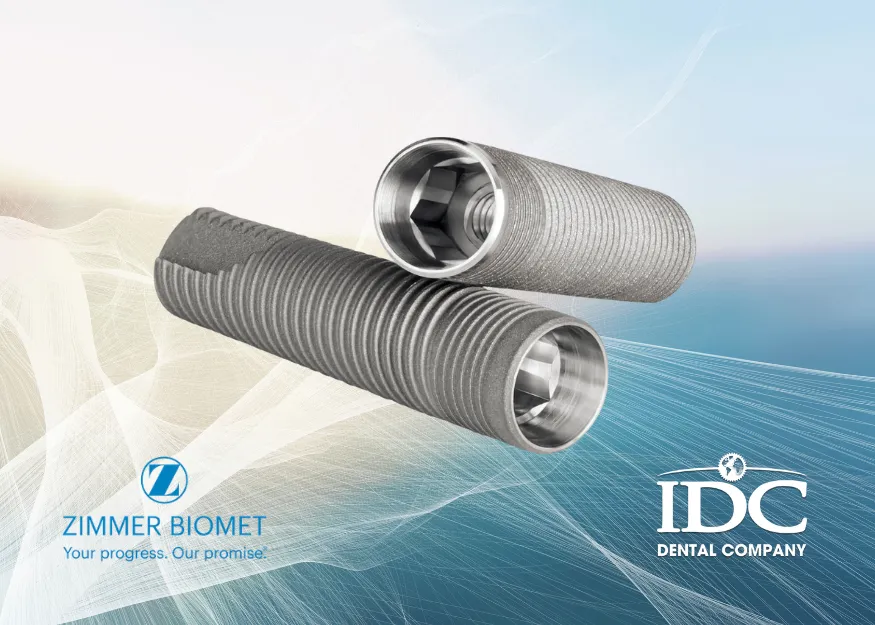
In this comprehensive review, we’ll explore everything you need to know about Zimmer Biomet Dental Implant, including its features, advantages, limitations, cost, and how it compares to other implant systems.
What Is Zimmer Biomet Dental Implant?
Zimmer Biomet is a well-known American medical technology company with a strong presence in orthopedic and dental solutions.
In the dental field, the brand has established itself as a trusted manufacturer of implant systems used by dentists worldwide.
Brand Overview
Zimmer Biomet has decades of experience in medical device innovation. Their dental implant systems are designed with precision engineering and backed by extensive clinical research.
The company focuses on delivering implants that promote strong bone integration, long-term stability, and predictable outcomes.
Product Systems
Some of the most popular Zimmer Biomet implant systems include:
- Tapered Screw-Vent (TSV)
- Trabecular Metal Implant
- Certain Internal Connection Implants
Each system is designed to suit different clinical situations, from simple single-tooth replacement to more complex full-mouth restorations.
Key Features of Zimmer Biomet Dental Implants
Advanced Materials
Zimmer Biomet implants are made from high-quality titanium and, in some cases, trabecular metal — a material designed to mimic natural bone structure.
This enhances biocompatibility and improves the integration process.
Excellent Osseointegration
One of the standout features is the ability to promote strong and stable osseointegration (the process where the implant fuses with the jawbone). This is critical for long-term success.
Smart Implant Design
The implant threads and surface are engineered to provide high primary stability, which is especially important for patients with lower bone density.
Digital Compatibility
Zimmer Biomet systems are compatible with modern digital dentistry workflows, including 3D planning and CAD/CAM restorations, ensuring precise and customized results.
Pros of Zimmer Biomet Dental Implant
There are several reasons why dentists and patients trust Zimmer Biomet implants:
- High success rate (95–98%)
- Strong bone integration
- Backed by clinical research
- Suitable for a wide range of cases
- Trusted global brand
Additionally, Zimmer Biomet offers innovative solutions like trabecular metal implants, which are particularly beneficial for patients with bone loss.
Cons of Zimmer Biomet Dental Implant
While Zimmer Biomet implants are highly regarded, there are a few considerations:
- Higher cost compared to Korean implants
- Slightly less premium positioning than Swiss brands like Straumann
- Availability may vary depending on the clinic
However, these drawbacks are often outweighed by the quality and reliability of the system.
Zimmer Biomet vs Other Implant Brands
Zimmer Biomet vs Straumann
Straumann (Switzerland) is often considered the premium implant brand globally. While Straumann offers cutting-edge innovation, Zimmer Biomet provides a strong balance between performance and cost.
=> Straumann: Premium, higher cost
=> Zimmer Biomet: High quality, better value
Zimmer Biomet vs Nobel Biocare
Both are leading brands with strong reputations.
- Nobel Biocare focuses heavily on innovation and aesthetics
- Zimmer Biomet emphasizes bone integration and stability
Zimmer Biomet vs Korean Implants
Korean brands (Dentium, Osstem) are more affordable but may not match the long-term data and advanced technology of Zimmer Biomet.
=> Korean implants: Budget-friendly
=> Zimmer Biomet: More reliable for long-term results
Who Should Choose Zimmer Biomet Dental Implant?
Zimmer Biomet implants are ideal for:
- Patients seeking high-quality and reliable implants
- International patients (dental tourism)
- Moderate to complex cases
- Patients who want a balance between cost and performance
If you are looking for a dependable implant system without paying the premium price of Swiss brands, Zimmer Biomet is a strong choice.
Cost of Zimmer Biomet Dental Implant
Average Cost
The cost varies depending on location:
- USA / Australia: $3,000 – $5,000 per implant
- Vietnam: $800 – $1,500 per implant
This significant difference is why many patients travel to Vietnam for dental treatment.
What’s Included?
Typically, the cost includes:
- Implant fixture
- Abutment
- Crown
- Consultation and imaging
Factors Affecting Cost
- Bone condition
- Need for bone grafting or sinus lift
- Clinic reputation
- Dentist experience
Procedure: Step-by-Step
The Zimmer Biomet implant procedure follows a standard protocol:
- Consultation & Diagnosis
- X-rays and 3D scans
- Treatment Planning
- Customized implant placement
- Implant Placement
- Surgical insertion of the implant
- Healing Period (2–6 months)
- Osseointegration occurs
- Crown Placement
- Final restoration
Are Zimmer Biomet Implants Safe?
Yes. Zimmer Biomet implants are:
- FDA-approved
- Supported by clinical research
- Widely used by professionals
The success rate is typically 95–98%, making it a safe and predictable option.
How Long Do Zimmer Biomet Implants Last?
With proper care, Zimmer Biomet implants can last:
=> 20 years or more — even a lifetime
Factors affecting longevity include:
- Oral hygiene
- Lifestyle (smoking, diet)
- Regular dental check-ups
Real Patient Experience
Many patients report:
- Improved chewing ability
- Natural appearance
- Increased confidence
For international patients, especially from the US and Australia, Zimmer Biomet implants in Vietnam offer a combination of quality and affordability.
FAQs
Are Zimmer Biomet implants worth it?
Yes. They offer a strong balance between cost, quality, and long-term success.
Is the procedure painful?
No. The procedure is performed under local anesthesia, with minimal discomfort.
How long is the healing time?
Typically 2–6 months, depending on the case.
Can smokers get implants?
Yes, but success rates may be lower, and additional care is required.

 WhatsApp