Types of dental crowns vary in material, durability, appearance, and cost, making it important to choose the right option for your dental needs. From porcelain and zirconia to metal and E-Max crowns, each type offers unique benefits for restoring damaged teeth and improving your smile.
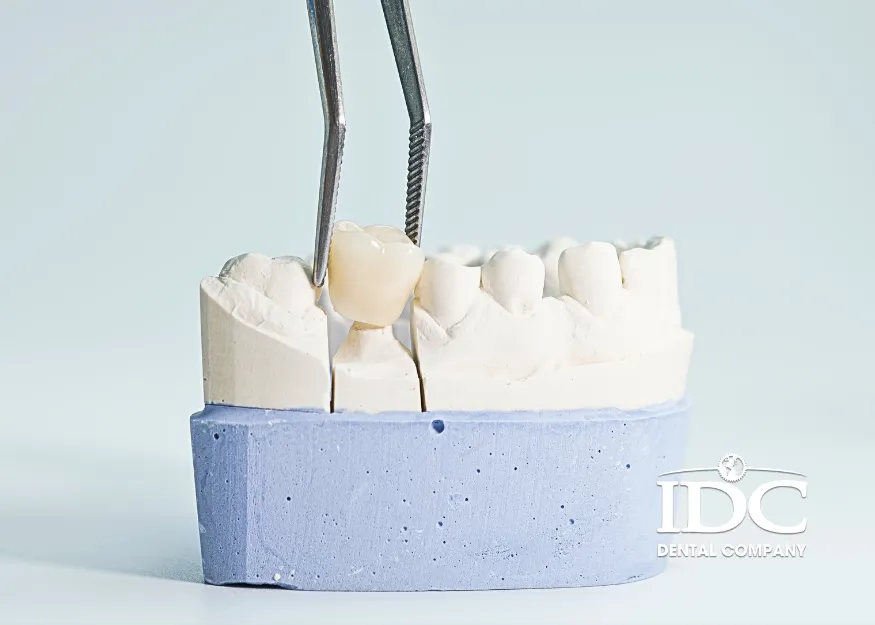
This guide compares the most common dental crowns to help you make an informed decision.
What Is a Dental Crown?
A dental crown is a tooth-shaped restoration designed to completely cover a damaged or weakened tooth. Once cemented into place, the crown protects the underlying tooth structure while restoring its natural shape and function.
When Is a Dental Crown Needed?
Dentists commonly recommend crowns for:
- Teeth with large cavities that cannot support a filling
- Cracked or fractured teeth
- Teeth weakened after root canal treatment
- Severely worn-down teeth
- Cosmetic smile improvements
- Dental implant restorations
- Replacement of old or damaged crowns
Crowns can significantly improve both oral health and aesthetics while preventing further damage.
What Are the Main Types of Dental Crowns?
Modern dentistry offers several crown materials, each designed to address different clinical needs and patient preferences.
The most common types include:
- Porcelain Crowns
- Zirconia Crowns
- Metal Crowns
- E-Max Crowns
- Porcelain-Fused-to-Metal (PFM) Crowns
The ideal crown depends on factors such as tooth location, bite force, cosmetic expectations, and budget.
Porcelain Dental Crowns
What Are Porcelain Crowns?
Porcelain crowns are made entirely from ceramic materials designed to closely resemble the appearance of natural teeth. They are widely used in cosmetic dentistry because of their lifelike color and translucency.
Advantages of Porcelain Crowns
Excellent Aesthetics
Porcelain crowns can be customized to match the exact shade of surrounding teeth, making them virtually indistinguishable from natural enamel.
Metal-Free Solution
Patients who prefer metal-free restorations often choose porcelain crowns due to their biocompatibility and natural appearance.
Ideal for Front Teeth
Porcelain crowns are particularly popular for restoring front teeth where aesthetics are a primary concern.
Natural Light Reflection
The material reflects light similarly to natural teeth, creating a highly realistic result.
Disadvantages of Porcelain Crowns
Despite their beauty, porcelain crowns may not be as strong as some alternative materials.
Potential drawbacks include:
- Increased risk of chipping under heavy bite forces
- Less suitable for molars in patients who grind their teeth
- Slightly shorter lifespan compared to zirconia
Best Candidates for Porcelain Crowns
Porcelain crowns are ideal for:
- Front tooth restorations
- Cosmetic smile makeovers
- Patients seeking highly natural results
Zirconia Dental Crowns
What Are Zirconia Crowns?
Zirconia crowns are made from zirconium dioxide, a highly durable ceramic material known for its exceptional strength and fracture resistance.
In recent years, zirconia has become one of the most popular dental crown materials worldwide.
Types of Zirconia Crowns
Solid Zirconia
Extremely strong and durable, making them ideal for molars and high-pressure chewing areas.
Layered Zirconia
Combines zirconia strength with an outer porcelain layer for improved aesthetics.
Multilayer Zirconia
Features multiple shades and translucency levels, providing a more natural appearance while maintaining strength.
Advantages of Zirconia Crowns
Exceptional Durability
Zirconia crowns can withstand significant chewing forces and are highly resistant to fractures.
Long Lifespan
With proper care, zirconia crowns can last 15–20 years or longer.
Biocompatibility
The material is well tolerated by oral tissues and rarely causes allergic reactions.
Versatility
Suitable for both front and back teeth.
Disadvantages of Zirconia Crowns
- Less translucent than E-Max crowns
- Can be more difficult to adjust after fabrication
- May cause wear on opposing teeth if improperly polished
Who Should Choose Zirconia Crowns?
Zirconia crowns are ideal for:
- Back teeth restorations
- Patients who grind their teeth
- Individuals seeking maximum durability
Metal Dental Crowns
What Are Metal Crowns?
Metal crowns are made from various metal alloys, including gold, palladium, nickel, or chromium.
Although less common today for visible teeth, metal crowns remain one of the most durable restorative options available.
Types of Metal Crowns
Gold Alloy Crowns
Contain gold combined with other metals to improve strength.
Noble Metal Crowns
Made from precious metals such as gold, platinum, or palladium.
Base Metal Alloy Crowns
Advantages of Metal Crowns
Constructed from non-precious metals like cobalt-chromium.
Outstanding Durability
Metal crowns rarely chip or fracture.
Minimal Tooth Reduction
Less natural tooth structure needs to be removed compared to ceramic crowns.
Excellent Longevity
Many metal crowns last 20 years or more.
Disadvantages of Metal Crowns
Poor Aesthetics
The metallic appearance makes them unsuitable for visible areas of the mouth.
Patient Preference
Many modern patients prefer tooth-colored restorations.
When Are Metal Crowns Recommended?
Metal crowns are often used for:
- Back molars
- Patients with heavy bite forces
- Cases where durability is more important than appearance
E-Max Dental Crowns
What Are E-Max Crowns?
E-Max crowns are made from lithium disilicate ceramic, an advanced material known for combining exceptional aesthetics with excellent strength.
Many cosmetic dentists consider E-Max crowns one of the most attractive crown options available today.
Advantages of E-Max Crowns
Superior Aesthetics
E-Max crowns provide outstanding translucency, closely resembling natural tooth enamel.
Natural Appearance
They create a lifelike smile with beautiful light reflection.
Metal-Free
No dark lines near the gum tissue and no risk of metal allergies.
Excellent Strength
Stronger than traditional porcelain crowns while maintaining superior aesthetics.
Limitations of E-Max Crowns
- Generally more expensive
- May not be ideal for certain high-load posterior restorations
- Not always recommended for patients with severe bruxism
Best Uses for E-Max Crowns
E-Max crowns are particularly suitable for:
- Front teeth
- Smile makeover cases
- Cosmetic dentistry treatments
Porcelain-Fused-to-Metal (PFM) Crowns
What Are PFM Crowns?
PFM crowns feature a metal framework covered by a porcelain outer layer. They have been widely used for decades and offer a balance between strength and aesthetics.
Benefits of PFM Crowns
- Strong metal core
- Better appearance than metal crowns
- More affordable than some all-ceramic options
Drawbacks of PFM Crowns
Dark Gum Line
Over time, the metal framework may become visible near the gum margin.
Porcelain Chipping
The porcelain layer can occasionally chip or fracture.
Are PFM Crowns Still Popular?
Although zirconia and E-Max crowns have become increasingly popular, PFM crowns remain a reliable option in many clinical situations.
Comparison of Different Types of Dental Crowns
| Crown Type | Aesthetics | Strength | Longevity | Cost |
|---|---|---|---|---|
| Porcelain | Excellent | Moderate | Good | Medium |
| Zirconia | Very Good | Excellent | Excellent | Medium-High |
| E-Max | Outstanding | Very Good | Excellent | High |
| Metal | Poor | Outstanding | Outstanding | Medium |
| PFM | Good | Good | Good | Medium |
Which Crown Material Looks Most Natural?
E-Max crowns are generally considered the most natural-looking due to their superior translucency and enamel-like appearance.
Which Crown Material Lasts the Longest?
Metal crowns and zirconia crowns are typically the longest-lasting options.
Which Crown Material Is Most Affordable?
PFM and traditional porcelain crowns often provide a balance between cost and aesthetics.
Best Crown for Front Teeth
- E-Max Crowns
- Porcelain Crowns
Best Crown for Back Teeth
- Zirconia Crowns
- Metal Crowns
How Long Do Different Dental Crowns Last?
The lifespan of a dental crown depends on the material used and how well it is maintained.
Porcelain Crowns
10–15 years
Zirconia Crowns
15–20+ years
E-Max Crowns
15–20 years
Metal Crowns
20+ years
PFM Crowns
10–15 years
Factors Affecting Crown Longevity
- Daily oral hygiene
- Teeth grinding habits
- Smoking
- Diet
- Regular dental checkups
Proper care can significantly extend the life of any crown.
How Much Do Different Types of Dental Crowns Cost?
Several factors influence dental crown pricing:
- Crown material
- Laboratory technology
- Dentist expertise
- Geographic location
- Additional procedures required
Generally:
- Metal crowns are often among the least expensive.
- Porcelain crowns fall within the mid-range.
- Zirconia crowns cost slightly more.
- E-Max crowns are often among the premium options.
Patients should consider value, durability, and aesthetics rather than cost alone.
How to Choose the Best Dental Crown for Your Needs
Based on Tooth Location
Front teeth typically benefit from E-Max or porcelain crowns, while back teeth often require zirconia or metal crowns.
Based on Cosmetic Goals
Patients seeking the most natural smile usually choose E-Max crowns.
Based on the budget
PFM and porcelain crowns can provide excellent results at a more affordable cost.
Based on Durability
Zirconia and metal crowns remain the strongest long-term options.
Consult a Dental Professional
The best crown material depends on your unique oral health condition, functional requirements, and aesthetic expectations. A comprehensive dental examination is essential before making a final decision.
Frequently Asked Questions About Dental Crowns
Which type of dental crown is the strongest?
Metal crowns and solid zirconia crowns are generally considered the strongest options.
Are zirconia crowns better than porcelain crowns?
Zirconia crowns offer superior strength, while porcelain crowns typically provide slightly better aesthetics.
Is E-Max better than zirconia for front teeth?
In many cosmetic cases, E-Max crowns are preferred for front teeth because of their exceptional translucency and natural appearance.
Do metal crowns last longer than ceramic crowns?
Yes, metal crowns often have the longest lifespan due to their exceptional durability.
Which dental crown looks most natural?
E-Max crowns are widely regarded as the most natural-looking dental crowns available today.
Can dental crowns be replaced?
Yes. Crowns can be replaced if they become damaged, worn, loose, or aesthetically outdated.


 WhatsApp