
Orthodontic Fixed Braces are among the most trusted orthodontic treatments for correcting crooked or crowded teeth, bite misalignment, and other complex dental problems. Despite the growing popularity of clear aligners, many orthodontists still recommend fixed braces because they provide precise tooth control and highly effective long-term results.
Many patients often ask whether they are good candidates for orthodontic fixed braces. In reality, this treatment can benefit not only teenagers but also adults who want to improve their smile, oral function, and overall dental health. The suitability of braces usually depends on factors such as tooth alignment, jaw structure, oral hygiene, and the severity of orthodontic issues.
In this article, we will explore who should use orthodontic fixed braces, the common dental conditions they can treat, and why fixed braces continue to be one of the most reliable solutions for achieving a straighter and healthier smile.
What Are Orthodontic Fixed Braces?
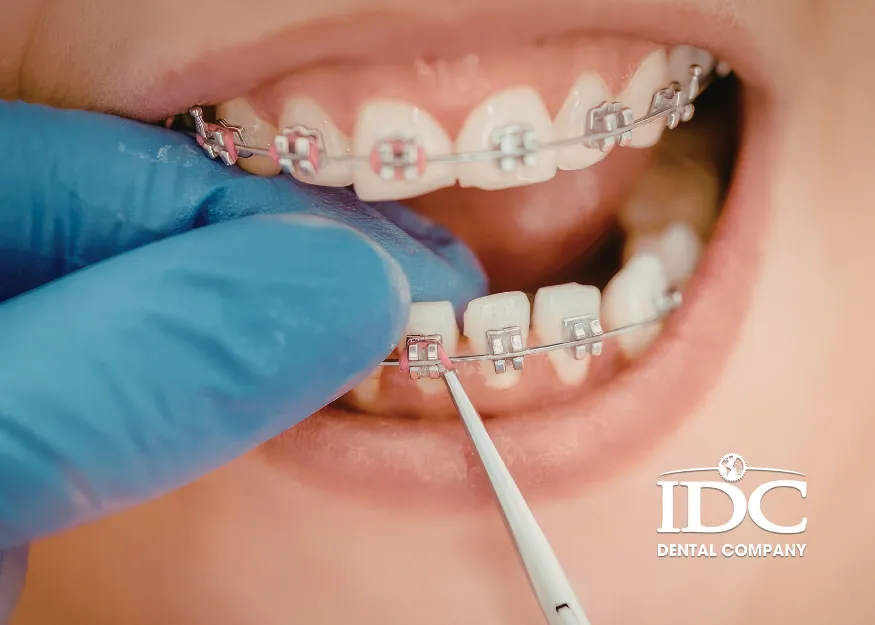
Orthodontic fixed braces are dental appliances attached directly to the teeth to gradually move them into better alignment. Unlike removable aligners, fixed braces remain on the teeth throughout the treatment period and are adjusted regularly by an orthodontist.
A fixed braces system typically includes:
- Brackets attached to each tooth
- Archwires connecting the brackets
- Elastic bands or clips that help guide tooth movement
The braces apply continuous, gentle pressure to the teeth, allowing them to move into their ideal positions over time.
Types of Orthodontic Fixed Braces
Metal Braces
Traditional stainless-steel braces are the most common type and are highly effective for treating mild to severe orthodontic problems.
Ceramic Braces
Ceramic braces use tooth-colored brackets, making them less noticeable while still providing effective treatment.
Self-Ligating Braces
These braces use specialized clips instead of elastic bands, which may reduce friction and improve comfort.
Lingual Braces
Lingual braces are attached to the back surfaces of the teeth, making them nearly invisible from the front.
Who Should Use Orthodontic Fixed Braces?
People With Crooked or Crowded Teeth
One of the most common reasons patients need fixed braces is crooked or crowded teeth. When teeth overlap or grow in improper positions, it becomes difficult to clean them properly.
Crowded teeth can increase the risk of:
- Tooth decay
- Plaque buildup
- Gum disease
- Bad breath
Orthodontic fixed braces help align the teeth into proper positions, improving both oral hygiene and appearance.
Patients With Bite Problems
Fixed braces are highly effective for correcting bite problems, also known as malocclusions.
Overbite
An overbite occurs when the upper front teeth excessively overlap the lower teeth.
Underbite
An underbite happens when the lower jaw protrudes forward beyond the upper jaw.
Crossbite
A crossbite occurs when some upper teeth sit inside the lower teeth when biting.
Open Bite
Patients with an open bite cannot fully close their front teeth together.
Deep Bite
A deep bite involves excessive vertical overlap of the front teeth.
These conditions can affect chewing, speaking, jaw comfort, and overall oral health. Fixed braces help reposition the teeth and improve jaw alignment over time.
Teenagers Who Need Comprehensive Orthodontic Treatment
Teenagers are among the most common candidates for orthodontic fixed braces. During adolescence, the jaw and teeth are still developing, making it an ideal time to correct orthodontic problems.
Benefits of braces for teenagers include:
- Easier tooth movement
- Better long-term alignment
- Improved confidence during early adulthood
- Reduced risk of future dental complications
Orthodontists often recommend an early orthodontic evaluation around age 7 to monitor jaw development and identify potential issues before they worsen.
Adults Seeking Teeth Straightening
Orthodontic treatment is no longer limited to teenagers. Many adults now choose fixed braces to improve their smiles and oral health.
Adults may seek braces for:
- Cosmetic improvements
- Bite correction
- Relapse after previous orthodontic treatment
- Better chewing function
- Professional confidence
Modern orthodontic options such as ceramic braces make treatment more discreet and aesthetically acceptable for adult patients.
Even though adult treatment may sometimes take longer than teenage treatment, fixed braces can still produce excellent long-term results.
Patients With Severe Orthodontic Problems
While clear aligners can effectively treat mild to moderate cases, patients with severe orthodontic problems often benefit more from fixed braces.
Complex cases may include:
- Severe crowding
- Major bite misalignment
- Rotated teeth
- Teeth positioned too high or too low
- Significant jaw discrepancies
Fixed braces provide greater control over tooth movement, making them more suitable for difficult orthodontic cases.
People With Gaps Between Teeth
Spacing issues are another reason patients may need orthodontic fixed braces. Gaps between teeth can affect smile’s appearance and may cause food trapping during eating.
Fixed braces can:
- Close unwanted spaces
- Improve bite balance
- Enhance smile aesthetics
- Protect gum health
For some patients, closing gaps may also improve speech and chewing efficiency.
Patients Preparing for Restorative Dental Treatments
Orthodontic treatment is sometimes recommended before restorative procedures such as:
- Dental implants
- Veneers
- Crowns
- Bridges
Proper tooth alignment helps create better spacing and bite balance, improving the long-term success of restorative treatments.
For example, if teeth have shifted into missing tooth spaces, orthodontic braces may be needed before implant placement.
Who May Not Be Suitable for Fixed Braces?
Although fixed braces are highly effective, they may not be ideal for everyone.
Patients With Poor Oral Hygiene
Maintaining excellent oral hygiene is essential during orthodontic treatment. Food particles and plaque can accumulate around brackets and wires if brushing is inadequate.
Poor hygiene during braces treatment may lead to:
- Tooth decay
- White spot lesions
- Gum inflammation
- Bad breath
Patients must commit to proper brushing, flossing, and regular dental cleanings.
People Looking for Nearly Invisible Treatment
Some patients prefer more discreet orthodontic solutions. In mild cases, clear aligners may provide a more aesthetic option.
However, the suitability of aligners depends on the complexity of the orthodontic condition.
Patients With Severe Gum Disease
Patients with untreated periodontal disease may need gum treatment before starting orthodontics. Healthy gums and bone support are essential for safe tooth movement.
Signs You May Need Orthodontic Fixed Braces
Many orthodontic problems develop gradually and may not always cause pain. Common signs that indicate the need for braces include:
- Crooked teeth
- Difficulty chewing food
- Jaw pain or jaw clicking
- Frequent biting of cheeks or tongue
- Speech difficulties
- Teeth grinding
- Uneven tooth wear
- Gaps between teeth
- Difficulty cleaning teeth properly
If you notice these symptoms, an orthodontic consultation can help determine whether fixed braces are appropriate for you.
Benefits of Orthodontic Fixed Braces
Effective for Complex Cases
Fixed braces remain one of the most powerful orthodontic tools for treating severe misalignment and bite issues.
Precise Tooth Movement
Orthodontists can control tooth movement very accurately with fixed braces, allowing highly customized treatment.
Long-Term Oral Health Benefits
Straight teeth are easier to clean and maintain, reducing the risk of cavities and gum disease.
Improved Smile Appearance
Braces help create a more balanced, attractive smile, improving confidence and self-esteem.
Better Bite Function
Correct bite alignment improves chewing efficiency and may reduce jaw discomfort.
Fixed Braces vs Clear Aligners
Many patients compare fixed braces with clear aligners before choosing treatment.
Appearance
Clear aligners are less visible, while braces are more noticeable.
Effectiveness
Fixed braces are generally more effective for severe orthodontic problems.
Discipline Requirements
Aligners require strict patient compliance because they must be worn consistently. Fixed braces work continuously without needing patient removal.
Treatment Complexity
Orthodontists often recommend fixed braces for highly complex tooth movements.
What to Expect During Fixed Braces Treatment
Initial Consultation
The orthodontist will perform:
- Oral examination
- X-rays
- Photographs
- Digital scans or impressions
A personalized treatment plan will then be created.
Braces Placement
The brackets are attached to the teeth and connected with archwires.
Regular Adjustments
Patients usually return every few weeks for adjustments to continue tooth movement.
Treatment Duration
Treatment time varies depending on the complexity of the case, but most treatments last between 18 and 30 months.
Retainers After Braces
After braces are removed, retainers help maintain the new tooth positions and prevent relapse.
Tips for Patients Wearing Fixed Braces
Avoid Hard or Sticky Foods
Certain foods can damage brackets or wires, including:
- Hard candies
- Ice
- Sticky caramel
- Popcorn
Brush Carefully
Patients should brush after meals and clean carefully around brackets and wires.
Use Orthodontic Floss
Special flossing tools help clean between teeth and braces.
Attend Follow-Up Visits
Regular appointments are essential for successful treatment progress.
Cost of Orthodontic Fixed Braces
The cost of braces depends on several factors:
- Type of braces
- Severity of orthodontic problems
- Treatment duration
- Clinic location
- Orthodontist experience
Many international patients now choose countries like Vietnam for orthodontic treatment due to:
- Affordable pricing
- Modern dental technology
- Skilled orthodontists
- International-quality dental care
Why Choosing an Experienced Orthodontist Matters
Orthodontic treatment requires careful planning and expertise. Choosing an experienced orthodontic clinic can significantly improve treatment safety and results.
A professional clinic should provide:
- Advanced diagnostic technology
- Personalized treatment plans
- Sterilization and hygiene standards
- Transparent treatment monitoring
- Long-term retention support


 WhatsApp