
What causes yellow teeth, and how can you restore a brighter, more confident smile? Teeth discoloration is a common concern that can develop due to aging, poor oral hygiene, certain foods and drinks, smoking, or natural tooth color. While yellow teeth do not always indicate poor dental health, they may affect your appearance and confidence.
Fortunately, professional dental cleaning and teeth whitening treatments can help reduce stains and improve your smile. Identifying the underlying cause of yellow teeth is essential to choosing the right solution for a safe, effective, and long-lasting result.
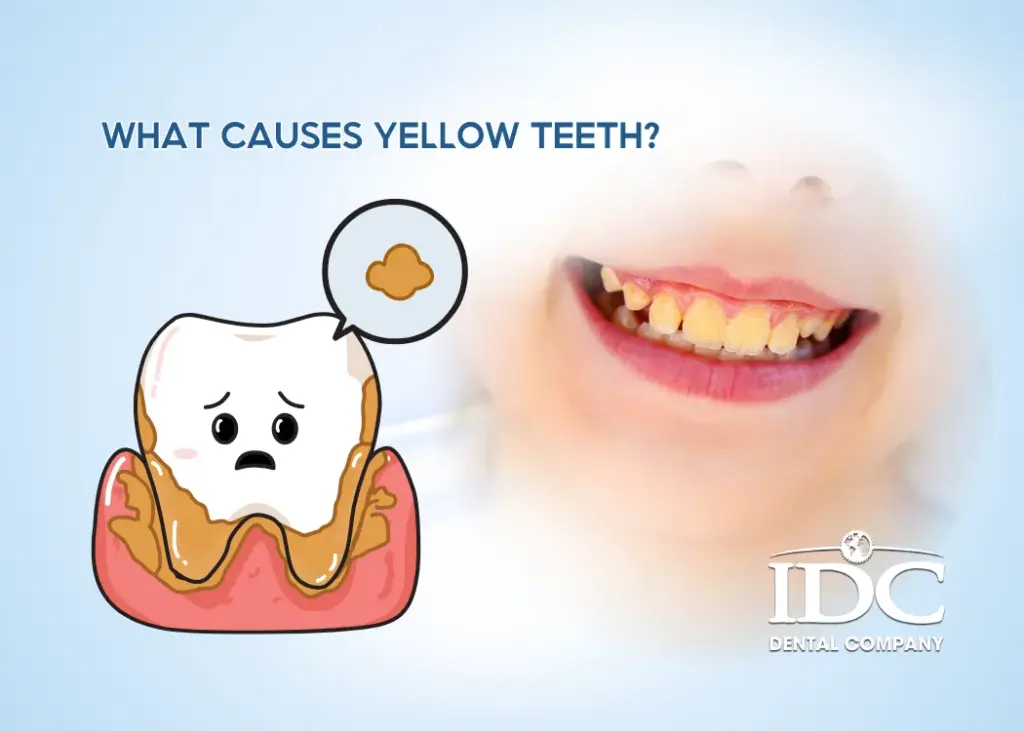
What Causes Yellow Teeth?
Yellow teeth can develop for many different reasons. Some causes are related to everyday habits, while others are connected to natural changes in the tooth structure.
1. Natural Tooth Color and Aging
One of the most common reasons teeth appear yellow is simply their natural color. Teeth are not naturally bright white for everyone. Under the outer layer of enamel is a naturally yellowish tissue called dentin.
As people age, enamel can gradually become thinner. When the enamel becomes less opaque, more of the underlying dentin becomes visible. As a result, teeth may look more yellow or darker than they did when you were younger.
This type of discoloration is not necessarily caused by poor oral hygiene. It is often a normal part of aging.
2. Poor Oral Hygiene
Inadequate brushing and flossing can contribute to yellow-looking teeth. When plaque accumulates on the tooth surface, it can make teeth look dull or discolored.
Over time, plaque can harden into tartar, which cannot be completely removed with regular brushing at home. Tartar buildup can contribute to yellow or brown areas around the teeth and gumline.
Maintaining good oral hygiene and scheduling regular professional dental cleanings can help keep teeth cleaner and brighter.
3. Coffee, Tea, and Staining Foods
Your diet can have a significant effect on the appearance of your teeth. Certain foods and beverages contain pigments that can attach to the enamel and cause surface stains.
Common sources of tooth staining include:
- Coffee
- Tea
- Red wine
- Cola and dark-colored beverages
- Berries
- Tomato-based sauces
- Certain spices and sauces
If you frequently consume these foods and drinks, you may gradually notice that your teeth become darker or more yellow.
You do not necessarily have to eliminate these foods completely. Drinking water afterward and maintaining good oral hygiene can help reduce the accumulation of surface stains.
4. Smoking and Tobacco Use
Smoking is another common cause of yellow or brown teeth. Tobacco contains substances that can stain tooth enamel over time.
People who smoke regularly may develop persistent discoloration that becomes more difficult to remove with ordinary brushing.
In addition to tooth staining, tobacco use can negatively affect gum health and increase the risk of other oral health problems. Avoiding tobacco is therefore an important part of maintaining both a healthier mouth and a brighter smile.
5. Certain Medications and Other Factors
Some types of medication can contribute to intrinsic tooth discoloration, particularly when teeth are developing.
Other factors may also influence tooth color, including certain developmental conditions and changes in tooth structure.
Because these stains occur within the tooth rather than simply on its surface, conventional whitening products may not always provide the desired results.
A dentist can evaluate the teeth and determine whether whitening is appropriate or whether another cosmetic treatment may be more effective.
6. Fluorosis and Developmental Discoloration
Dental fluorosis can occur when developing teeth are exposed to excessive amounts of fluoride. Depending on the severity, it may cause white, yellow, or brown areas on the teeth.
The appearance and treatment of fluorosis can vary from person to person. Professional evaluation is useful for determining whether teeth whitening or another cosmetic option is appropriate.
7. Dental Trauma
An injured tooth can sometimes become darker over time. Unlike generalized yellowing caused by coffee or food, discoloration caused by trauma may affect only one tooth.
If you notice that one tooth suddenly becomes gray, brown, or significantly darker than the surrounding teeth, it is important to have it evaluated by a dentist rather than simply applying whitening products.
Surface Stains vs. Intrinsic Tooth Discoloration
Understanding the difference between surface stains and intrinsic discoloration is important when choosing a whitening treatment.
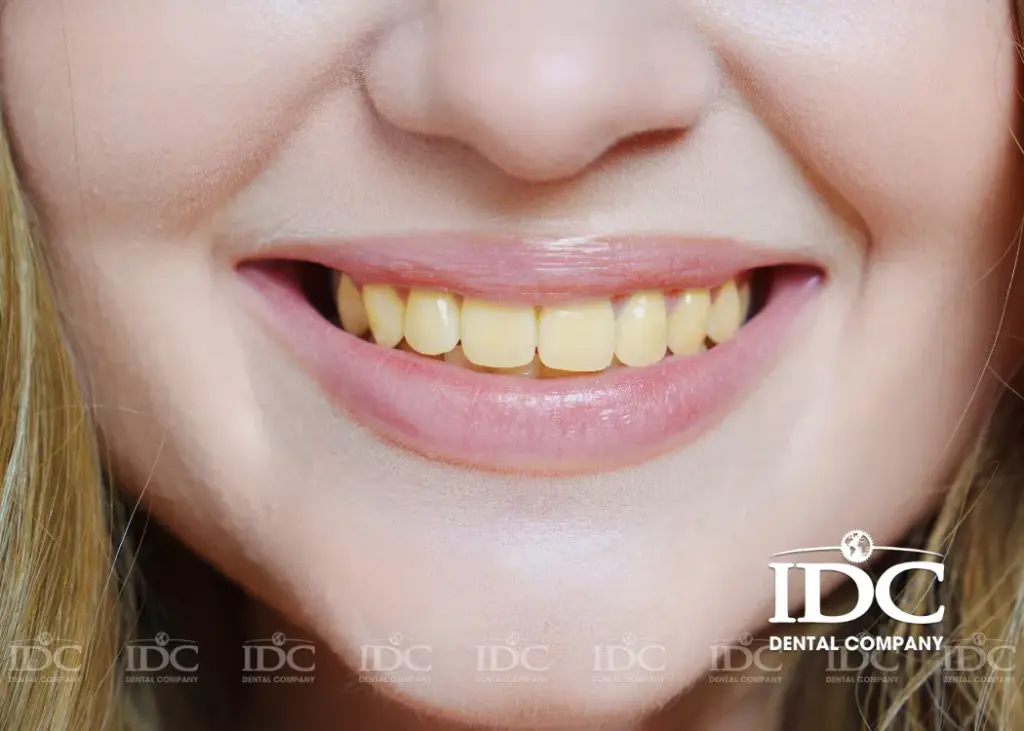
What Are Extrinsic Stains?
Extrinsic stains occur on the outer surface of the teeth. They are commonly associated with:
- Coffee
- Tea
- Tobacco
- Red wine
- Dark-colored foods
- Plaque and tartar
These stains may respond well to professional dental cleaning and teeth whitening.
What Is Intrinsic Discoloration?
Intrinsic discoloration occurs deeper within the tooth structure. It can be related to:
- Aging
- Certain medications
- Dental trauma
- Tooth development
- Changes in dentin or enamel
Because the discoloration is deeper, ordinary whitening toothpaste may have limited results.
This is why identifying the cause of yellow teeth before treatment is so important.
How Can You Whiten Yellow Teeth?
There are several ways to improve the appearance of yellow or stained teeth. The right option depends on the cause of discoloration, your oral health, and your desired results.
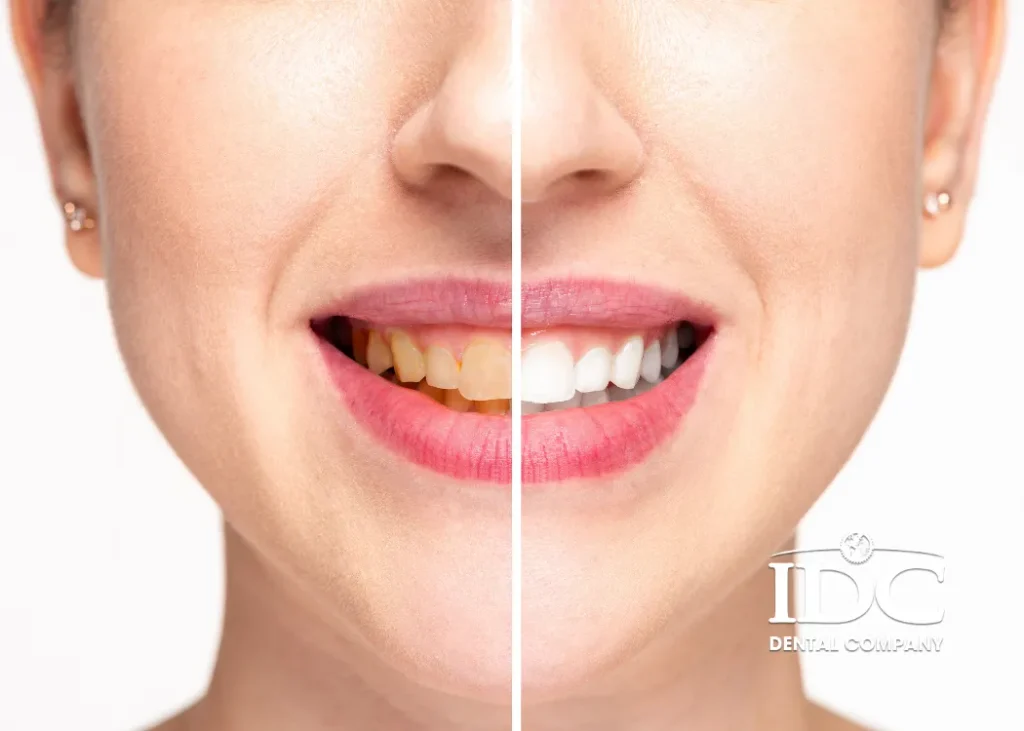
1. Improve Your Daily Oral Hygiene
Good oral hygiene is one of the simplest ways to prevent and reduce surface stains.
A basic routine should include:
- Brushing twice a day
- Cleaning between teeth daily
- Using fluoride toothpaste
- Limiting frequent consumption of staining foods and drinks
- Drinking water regularly
- Visiting a dentist for routine examinations
Although brushing alone may not dramatically change the natural color of your teeth, it helps remove plaque and prevent new surface stains.
2. Professional Dental Cleaning
If yellow teeth are caused primarily by plaque or tartar, professional dental cleaning may make a noticeable difference.
A dental professional can remove hardened tartar and buildup that regular brushing cannot effectively eliminate.
After cleaning, some patients may find that their teeth already look cleaner and brighter. If they still want a whiter smile, professional whitening may be considered afterward.
3. Professional In-Office Teeth Whitening
For people looking for a more noticeable improvement, professional teeth whitening can be an effective option.
In-office whitening is performed under professional supervision. The dentist first evaluates your teeth and gums and determines whether whitening is appropriate.
Depending on the whitening system used, the treatment can be completed during a dental appointment. Professional whitening may be particularly appealing to people who want a brighter smile without relying on unverified DIY methods.
However, the results can vary depending on the original tooth color, type of staining, oral health, and individual response to treatment.
4. Take-Home Professional Whitening
Another option is dentist-provided take-home whitening.
A dentist may provide customized whitening trays and instructions for using a professional whitening product at home. This approach allows patients to whiten their teeth gradually while following a dentist-guided treatment plan.
Take-home whitening can be convenient for people who prefer to manage their treatment at home rather than spending as much time in the dental office.
5. Whitening Toothpaste
Whitening toothpaste can help remove some surface stains. However, it is important to understand its limitations.
Most whitening toothpastes are designed primarily to remove surface discoloration rather than dramatically change the natural color of the teeth.
If your yellow teeth are caused by deeper discoloration, whitening toothpaste alone may not provide the results you want.
Are Home Teeth Whitening Remedies Safe?
The internet contains many DIY teeth whitening remedies, but not all of them are safe or effective.
Some people try ingredients such as lemon juice, vinegar, baking soda, or activated charcoal to whiten their teeth. These methods may appear inexpensive and convenient, but aggressive or frequent use can potentially damage enamel or irritate the gums.
Be Careful With Acidic Ingredients
Lemon juice and vinegar are acidic. Repeatedly exposing teeth to acids can contribute to enamel erosion.
Once enamel is damaged, it cannot simply grow back. Enamel erosion can also make teeth more sensitive and may make the underlying yellowish dentin more visible.
For this reason, using acidic household ingredients as a whitening treatment is generally not a good substitute for professionally recommended whitening methods.
Choose Evidence-Based Whitening Methods
If you want to whiten yellow teeth, consider reputable whitening products and professional dental advice rather than relying on unverified internet remedies.
Following product instructions is also important. Using more whitening product than recommended does not necessarily produce better results and may increase the risk of sensitivity or gum irritation.
Is Professional Teeth Whitening Safe?
When appropriate products and techniques are used correctly, professional teeth whitening can be a safe cosmetic dental treatment for many patients.
However, a dental evaluation is important before treatment.
Why Does a Dentist Need to Evaluate Your Teeth?
Before whitening, a dentist may check for:
- Cavities
- Gum disease
- Tooth sensitivity
- Cracks or damaged teeth
- Existing fillings
- Crowns or veneers
- The cause and severity of discoloration
Treating underlying dental problems first can help improve comfort and reduce potential complications.
Common Whitening Side Effects
Some people experience temporary tooth sensitivity or mild gum irritation after whitening.
These effects can vary depending on the whitening system, concentration, treatment duration, and individual sensitivity.
A dentist can recommend an appropriate treatment approach and provide instructions for managing sensitivity if it occurs.
Professional Teeth Whitening vs. At-Home Whitening
Both professional and at-home whitening methods have advantages.
Professional whitening provides the benefit of dental evaluation, professional guidance, and potentially faster results. At-home options can provide greater convenience and may allow for gradual whitening.
The best choice depends on:
- Your oral health
- Type of discoloration
- Desired level of whitening
- Treatment timeline
- Sensitivity
- Budget
- Dentist recommendations
Rather than choosing a treatment based solely on price, consider whether the method is appropriate for your specific teeth.
When Should You Visit a Dentist for Yellow Teeth?
Yellow teeth are not always a dental emergency. However, there are situations when a professional evaluation is especially important.
Consider visiting a dentist if:
- Your teeth suddenly become darker.
- One tooth changes color significantly.
- Yellowing continues despite good oral hygiene.
- You experience tooth pain or sensitivity.
- You notice cavities or cracks.
- Your gums bleed or appear swollen.
- Whitening products are not producing the expected results.
- You want professional advice before starting a whitening treatment.
A dental examination can help identify whether the discoloration is cosmetic or related to an underlying dental problem.
What Happens During a Teeth Whitening Consultation?
A professional teeth whitening consultation usually begins with an examination of your teeth and gums.
The dentist may then determine whether your discoloration is primarily surface staining or intrinsic discoloration.
Based on the evaluation, possible recommendations may include:
- Professional dental cleaning
- In-office teeth whitening
- Take-home professional whitening
- Cosmetic restorations
- Other treatments for specific types of discoloration
A personalized treatment plan can help you understand the expected results, possible sensitivity, treatment process, and maintenance requirements.
How to Prevent Yellow Teeth
Once you achieve a brighter smile, maintaining good habits can help preserve the results.
Maintain Good Oral Hygiene
Brush your teeth twice a day and clean between your teeth regularly. Good oral hygiene helps reduce plaque buildup and surface staining.
Limit Staining Foods and Drinks
If you frequently drink coffee, tea, soda, or red wine, consider reducing consumption or drinking water afterward.
Avoid Tobacco
Avoiding smoking and other tobacco products can help reduce future tooth staining while supporting better oral health.
Schedule Regular Dental Visits
Routine dental examinations and professional cleanings can help identify problems early and remove buildup that contributes to discoloration.
How Long Do Teeth Whitening Results Last?
Teeth whitening results are not necessarily permanent.
How long the results last depends on several factors, including:
- Diet
- Oral hygiene
- Tobacco use
- Type of whitening treatment
- Natural tooth color
- Maintenance routine
People who regularly consume staining foods or beverages may notice discoloration sooner.
Following a dentist’s maintenance recommendations and maintaining good oral hygiene can help extend the appearance of a brighter smile.
Can Whitening Make Every Tooth White?
Teeth whitening works primarily on natural tooth structure. Dental restorations such as crowns, veneers, and fillings generally do not respond to whitening in the same way as natural teeth.
If you already have visible dental restorations, whitening your natural teeth may create a color difference between the teeth and restorations.
This is another reason why discussing your treatment with a dentist before whitening can be helpful.
Common Teeth Whitening Mistakes to Avoid
Avoid these common mistakes when trying to whiten yellow teeth:
- Whitening without treating cavities or gum problems.
- Using excessive amounts of whitening products.
- Applying acidic household ingredients to teeth.
- Expecting crowns or veneers to become whiter.
- Ignoring severe or persistent tooth sensitivity.
- Choosing a treatment solely because it is inexpensive.
- Assuming every type of yellow discoloration can be treated with the same whitening method.
The goal should not simply be to make teeth whiter. It should be to improve your smile safely while protecting your oral health.
How to Choose a Trusted Teeth Whitening Dentist
Choosing the right dentist can make the whitening experience more comfortable and predictable.
Check Experience and Qualifications
Look for a dental professional with experience in cosmetic dentistry and teeth whitening.
Look for Personalized Care
A trusted dentist should evaluate your teeth instead of recommending the same whitening treatment to every patient.
Ask About Treatment Options
Ask whether the practice offers in-office whitening, take-home whitening, or other cosmetic solutions.
Read Patient Reviews
Reviews can provide insight into the overall patient experience, communication, professionalism, and quality of care.
Ask About Pricing
Before beginning treatment, ask about the total cost, what is included, and whether additional treatments may be necessary.
Frequently Asked Questions About Yellow Teeth
Can yellow teeth become white again?
In many cases, yellow or stained teeth can be made brighter through professional cleaning and whitening. However, results depend on the cause and severity of discoloration.
Why are my teeth yellow even though I brush every day?
Brushing removes plaque but cannot always remove deeper stains or change the natural color of dentin. Aging, genetics, diet, tobacco, and intrinsic discoloration can all contribute to yellow teeth.
What is the safest way to whiten yellow teeth?
A dentist-supervised whitening treatment is one option for people who want a professionally evaluated and controlled approach. Your dentist can first determine whether whitening is appropriate.
Does teeth whitening damage enamel?
When appropriate products are used correctly, professional whitening is generally designed to whiten teeth without removing enamel. Overuse or improper DIY methods can increase the risk of sensitivity or enamel damage.
Can coffee make your teeth yellow?
Yes. Coffee contains compounds that can contribute to surface staining, particularly with frequent consumption.
Will whitening work on crowns and veneers?
Whitening generally does not change the color of crowns, veneers, and many other dental restorations in the same way it changes natural teeth.
How often should you whiten your teeth?
The appropriate frequency depends on the whitening method and your individual needs. Follow the product instructions or your dentist’s recommendations rather than whitening excessively.


 WhatsApp