
Temporary filling falls out is a situation that can catch many patients by surprise, especially if it happens after a root canal treatment or between dental appointments. While temporary fillings are designed to protect the tooth and seal it from bacteria for a short period of time, they are not as strong or durable as permanent restorations and may occasionally become loose or fall out.
If this happens, you may feel worried about pain, infection, or whether you need emergency dental care. Fortunately, losing a temporary filling is a relatively common dental issue, and in most cases, it can be managed effectively with prompt attention and proper care.
The key is to protect the exposed tooth, avoid activities that may cause further damage, and contact your dentist as soon as possible.
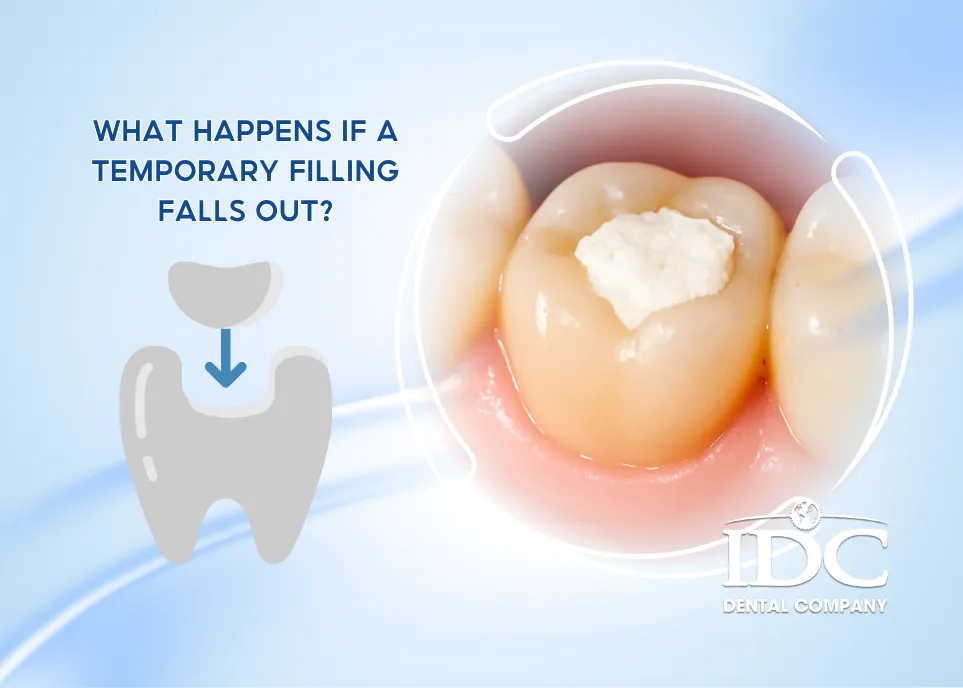
In this article, we will discuss why temporary fillings fall out, the possible risks of leaving the tooth untreated, what you should do immediately after the filling is lost, and how dentists can restore and protect your tooth for long-term oral health.
What Is a Temporary Filling?
A temporary filling is a short-term dental restoration used to protect a tooth until permanent treatment can be completed.
Unlike permanent fillings made from durable materials such as composite resin or porcelain, temporary fillings are created from softer materials that are easier for dentists to remove at a later appointment.
Dentists commonly use temporary fillings in situations such as:
- After root canal treatment
- Between multiple dental appointments
- To protect a tooth with a deep cavity
- Following emergency dental treatment
- While waiting for a permanent crown or inlay
The primary purpose of a temporary filling is to seal the tooth, prevent bacteria from entering, and reduce sensitivity until the final restoration is placed.
Why Can a Temporary Filling Fall Out?
Temporary fillings are not designed for long-term use. Several factors can cause them to loosen or fall out.
Normal Wear and Tear
The materials used for temporary fillings are intentionally softer than permanent restorations.
Over time, daily chewing and biting can gradually weaken the filling, causing it to crack or become loose.
If the filling has been in place longer than recommended, the risk of it falling out increases significantly.
Eating Hard or Sticky Foods
Certain foods place extra stress on temporary fillings.
Examples include:
- Nuts
- Hard candy
- Ice
- Caramel
- Chewing gum
- Sticky candies
Sticky foods can pull the filling away from the tooth, while hard foods may cause it to crack.
Teeth Grinding or Clenching
People who grind or clench their teeth place tremendous pressure on their restorations.
This habit, known as bruxism, may weaken the temporary filling and eventually cause it to fall out.
Weak Tooth Structure
Some teeth receiving temporary fillings are already severely damaged by:
- Large cavities
- Fractures
- Extensive decay
- Root canal treatment
A weakened tooth may not provide enough support to hold the temporary material securely.
Delaying Permanent Treatment
Temporary fillings are intended to last only for a limited period.
Missing follow-up appointments or delaying permanent treatment may increase the risk of:
- Filling failure
- Tooth fracture
- Bacterial contamination
What Happens If a Temporary Filling Falls Out?
The effects vary depending on the condition of the tooth and the reason the filling was placed.
The Tooth Becomes Exposed
One of the first things that happens is that the inner layers of the tooth become exposed to the oral environment.
This may lead to:
- Increased sensitivity to cold drinks
- Sensitivity to hot foods
- Pain when chewing
- Sensitivity to sweet foods
- Discomfort when breathing in cold air
The severity of sensitivity varies from person to person.
Some patients experience only mild discomfort, while others may feel significant pain.
Food and Bacteria Can Enter the Tooth
Temporary fillings act as a protective seal.
When the filling falls out, food particles and bacteria may enter the cavity.
This increases the risk of:
- Tooth decay
- Bacterial infection
- Pulp inflammation
- Dental abscess
If the tooth recently underwent root canal treatment, contamination may compromise the success of the procedure.
You May Experience Pain
Not everyone feels pain when a temporary filling falls out.
However, some patients may notice:
- Sharp pain
- Intermittent discomfort
- Throbbing sensation
- Pressure while chewing
- Sensitivity to temperature changes
Pain often depends on:
- The size of the cavity
- Whether the nerve is exposed
- The amount of remaining tooth structure
The Tooth May Crack or Break
Temporary fillings often protect teeth that are already weakened.
Without the filling, the tooth becomes more vulnerable to:
- Cracks
- Chips
- Fractures
Chewing hard foods on an unprotected tooth can cause irreversible damage.
In severe cases, a cracked tooth may require more extensive treatment or even extraction.
Is It an Emergency If a Temporary Filling Falls Out?
In many cases, a lost temporary filling is not a life-threatening emergency.
However, it should not be ignored.
Seek Immediate Dental Care If You Have:
- Severe tooth pain
- Facial swelling
- Fever
- Persistent bleeding
- Pus around the tooth
- Difficulty eating
- A broken tooth
These symptoms may indicate infection or significant damage.
You May Be Able to Wait a Short Time If:
- There is little or no pain.
- The tooth feels only mildly sensitive.
- There is no swelling.
- The filling fell out recently.
Even in these cases, it is best to contact your dentist as soon as possible.
What Should You Do If Your Temporary Filling Falls Out?
The first step is simple:
Stay calm.
A lost temporary filling is a common dental issue, and dentists deal with it regularly.
Keep the Area Clean
Maintaining good oral hygiene is extremely important.
You should:
- Brush gently around the area.
- Floss carefully.
- Rinse with warm salt water.
- Remove food debris after meals.
Keeping the area clean reduces the risk of infection.
Avoid Chewing on That Side
Try to chew using the opposite side of your mouth.
Avoid:
- Hard foods
- Sticky foods
- Crunchy snacks
- Ice cubes
- Chewing gum
Soft foods are usually the safest option until you see your dentist.
Protect the Tooth
If you cannot visit your dentist immediately, you may temporarily cover the exposed area.
Some patients use:
- Temporary dental cement
- Over-the-counter filling repair kits
- Dental wax
However, these products are only short-term solutions.
They should never replace professional dental treatment.
Contact Your Dentist
Even if you are not in pain, contact your dentist as soon as possible.
Your dentist may advise:
- Scheduling an urgent appointment
- Monitoring symptoms
- Using temporary repair material
- Avoiding certain foods
Prompt treatment helps prevent complications and protects the tooth.
Can You Replace a Temporary Filling at Home?
Many pharmacies sell emergency dental repair kits.
These products may temporarily cover the tooth and reduce sensitivity.
However, there are important limitations.
Home Repair Kits:
- Are not as durable as professional materials
- Do not fully seal the tooth
- Cannot treat infection
- May not fit properly
Therefore, they should only be considered a temporary measure.
Professional treatment is still necessary.
What Happens at the Dental Appointment?
If your temporary filling falls out, the dentist will first examine the tooth carefully.
They will check for:
- Remaining tooth structure
- Signs of infection
- Tooth fractures
- Sensitivity
- Root canal status
Cleaning the Tooth
The dentist will clean the cavity thoroughly.
This may include:
- Removing debris
- Disinfecting the area
- Removing damaged filling material
The goal is to create a clean and healthy environment for restoration.
Replacing the Filling
Depending on the treatment plan, the dentist may:
- Place a new temporary filling
- Replace it with a permanent filling
- Prepare the tooth for a crown
- Continue root canal treatment
The appropriate solution depends on the condition of the tooth.
What If the Temporary Filling Falls Out After Root Canal Treatment?
Temporary fillings are commonly placed after root canal therapy.
Their purpose is to:
- Protect the cleaned root canals
- Prevent bacteria from entering
- Seal the tooth between appointments
If the temporary filling falls out, bacteria can enter the tooth and contaminate the root canal system.
This may lead to:
- Re-infection
- Inflammation
- Tooth pain
- Failure of the root canal treatment
That is why dentists usually recommend replacing the lost filling as soon as possible.
How Long Should a Temporary Filling Last?
The lifespan of a temporary filling depends on several factors.
Most temporary fillings last:
- A few weeks
to - Several months
Factors that influence durability include:
- Type of material used
- Location of the tooth
- Bite force
- Oral hygiene
- Diet
- Teeth grinding habits
If the filling has been in place for an extended period, it becomes more likely to fail.
How Can You Prevent a Temporary Filling from Falling Out?
Although accidents happen, there are ways to reduce the risk.
Avoid Hard Foods
Stay away from:
- Nuts
- Hard candy
- Ice
- Popcorn kernels
Avoid Sticky Foods
Limit:
- Caramel
- Toffee
- Gummy candy
- Chewing gum
Maintain Good Oral Hygiene
Brush gently and floss carefully around the temporary filling.
Good oral hygiene helps preserve the filling and prevents bacterial buildup.
Wear a Night Guard
If you grind or clench your teeth while sleeping, a custom night guard may help protect both your temporary filling and natural teeth.
Keep Follow-Up Appointments
Temporary fillings are not designed to last forever.
The best way to avoid problems is to:
- Complete root canal treatment promptly
- Receive your permanent filling
- Get your dental crown when recommended
Permanent restorations are stronger, more durable, and provide long-term protection.
Frequently Asked Questions
Can I Eat If My Temporary Filling Falls Out?
Yes.
However, you should choose soft foods and avoid chewing on the affected side.
Will the Tooth Hurt?
Some patients experience sensitivity or pain, while others have no symptoms at all.
The severity depends on how exposed the tooth is.
Can I Wait a Week Before Seeing the Dentist?
A short delay may not always cause problems.
However, the longer the tooth remains exposed, the greater the risk of:
- Infection
- Tooth fracture
- Root canal contamination
Can I Use a Store-Bought Temporary Filling?
Yes, but only as a temporary solution.
Professional dental treatment is still necessary.

 WhatsApp