
Permanent fillings are one of the most common and effective dental treatments used to restore teeth damaged by decay, cracks, or everyday wear. Designed as a long-term solution, permanent fillings help rebuild the tooth’s structure, restore normal chewing function, and protect it from further damage.
Today, dentists can choose from several types of permanent filling materials, including composite resin, ceramic, amalgam, and gold, each offering unique advantages in terms of aesthetics, strength, and longevity. With proper care, many permanent fillings can last for years or even decades, making them a reliable option for maintaining a healthy smile.
So, what are permanent fillings exactly? Which type is right for you? How long do they last, and what should you expect during the treatment process?
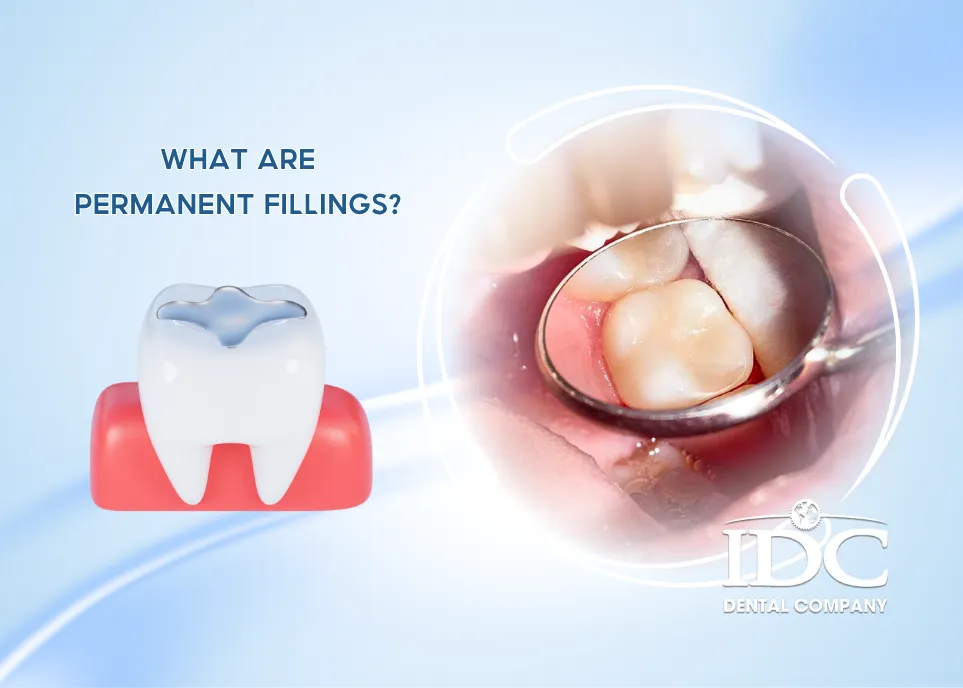
In this article, we’ll cover everything you need to know about permanent fillings, including the different types available, their benefits, average lifespan, and tips to help keep your restorations in excellent condition for as long as possible.
What Are Permanent Fillings?
Permanent fillings are dental restorations used to repair teeth that have been damaged by cavities, fractures, or wear. After removing the decayed or damaged portion of the tooth, the dentist fills the space with a durable material to restore the tooth’s shape, strength, and function.
Unlike temporary fillings, which are used for a short period of time, permanent fillings are intended to remain in place for many years. They are designed to withstand daily chewing forces and provide long-term protection against further tooth damage.
Permanent fillings are one of the most common dental treatments performed worldwide because they are effective, minimally invasive, and can often be completed in a single appointment.
When Are Permanent Fillings Needed?
Dentists may recommend permanent fillings in several situations.
Tooth Decay (Cavities)
The most common reason for getting a permanent filling is tooth decay.
When bacteria in the mouth produce acids, they gradually erode the enamel and create cavities. If left untreated, the decay can spread deeper into the tooth, causing pain and infection.
A permanent filling removes the decayed area and seals the tooth, preventing bacteria from causing further damage.
Chipped or Cracked Teeth
Small chips or cracks caused by accidents, biting hard foods, or trauma can often be repaired with permanent fillings.
The filling restores the tooth’s appearance and helps prevent the crack from worsening over time.
Worn Teeth
Some people grind or clench their teeth while sleeping, a condition known as bruxism.
Over time, this habit can wear down the tooth structure. Permanent fillings can rebuild the worn surfaces and restore the proper bite.
After Root Canal Treatment
After a root canal procedure, the dentist often places a permanent filling to seal the tooth and protect it from reinfection.
Depending on the amount of remaining tooth structure, a dental crown may also be recommended.
Replacing Old Fillings
Permanent fillings do not last forever.
If an old filling becomes cracked, worn, or leaks around the edges, it may need to be replaced with a new permanent restoration.
Types of Permanent Fillings
Modern dentistry offers several types of permanent filling materials, each with its own advantages and limitations.
Composite Resin Fillings
Composite resin fillings are one of the most popular options today.
They are made from a mixture of plastic resin and fine glass particles and are designed to match the natural color of your teeth.
Advantages:
- Natural tooth-colored appearance.
- Bonds directly to the tooth.
- Requires less removal of healthy tooth structure.
- Suitable for front and back teeth.
Limitations:
- Less durable than gold or amalgam.
- May stain over time.
- Usually lasts between 5 and 10 years.
Composite fillings are an excellent choice for patients who prioritize aesthetics and want their dental work to blend seamlessly with their smile.
Amalgam Fillings
Amalgam fillings have been used for over a century and are made from a combination of metals, including silver, tin, copper, and mercury.
Although less popular today due to cosmetic concerns, they remain highly durable.
Advantages:
- Extremely strong.
- Resistant to heavy chewing forces.
- Cost-effective.
- Long lifespan.
Limitations:
- Silver color is noticeable.
- Requires more tooth structure removal.
- Some patients prefer mercury-free alternatives.
Amalgam fillings are most commonly used in back teeth where appearance is less important.
Ceramic (Porcelain) Fillings
Ceramic fillings are made from porcelain and are highly valued for their beauty and durability.
These restorations are often fabricated in a dental laboratory using advanced CAD/CAM technology.
Advantages:
- Excellent aesthetics.
- Highly resistant to staining.
- Long-lasting.
- Biocompatible.
Limitations:
- More expensive than composite fillings.
- Usually require more than one appointment.
Ceramic fillings are ideal for patients seeking both durability and a natural-looking result.
Gold Fillings
Gold fillings are among the most durable dental restorations available.
They are made from gold alloy and are custom-fabricated to fit the tooth precisely.
Advantages:
- Exceptional durability.
- Resistant to wear and corrosion.
- Can last decades.
Limitations:
- Expensive.
- More noticeable than tooth-colored fillings.
- Requires multiple appointments.
Although less common today, gold fillings are still considered a premium option because of their longevity.
Glass Ionomer Fillings
Glass ionomer fillings are made from acrylic and glass materials.
One of their unique features is the ability to release fluoride, helping protect the tooth from further decay.
Advantages:
- Releases fluoride.
- Bonds chemically to the tooth.
- Suitable for children and low-stress areas.
Limitations:
- Less durable.
- More prone to wear.
- Shorter lifespan.
They are often used for baby teeth or fillings near the gum line.
Benefits of Permanent Fillings
Permanent fillings offer numerous advantages beyond simply repairing cavities.
Restore Tooth Function
A damaged tooth can make chewing difficult or uncomfortable.
Permanent fillings restore the tooth’s normal shape, allowing you to chew and bite comfortably again.
They also help maintain proper bite alignment and prevent unnecessary stress on neighboring teeth.
Long-Lasting Solution
Unlike temporary fillings, permanent fillings are designed for long-term use.
Depending on the material and how well they are cared for, they can last anywhere from several years to several decades.
This makes them a reliable and cost-effective treatment option.
Natural Appearance
Modern materials such as composite resin and ceramic can closely mimic the appearance of natural teeth.
They are available in multiple shades and can be customized to match the surrounding teeth perfectly.
As a result, most people won’t even notice you have a filling.
Prevent Further Tooth Decay
By sealing the cavity and protecting the tooth structure, permanent fillings prevent bacteria from entering the tooth.
This reduces the risk of:
- Recurrent decay.
- Tooth infection.
- Tooth fractures.
- The need for more complex procedures in the future.
Safe and Comfortable
Dental filling materials used today are extensively tested and considered safe.
Most patients experience minimal discomfort during the procedure, and modern local anesthesia ensures that treatment is generally painless.
How Long Do Permanent Fillings Last?
One of the most common questions patients ask is:
“How long do permanent fillings last?”
The answer depends on the material used, oral hygiene habits, and lifestyle factors.
Composite Fillings
Composite fillings generally last:
5 to 10 years
With excellent oral hygiene and regular dental visits, they may last even longer.
Amalgam Fillings
Amalgam fillings are known for their durability.
Average lifespan:
10 to 15 years
Some can remain functional for more than 20 years.
Ceramic Fillings
Ceramic restorations are highly durable.
Typical lifespan:
10 to 20 years
They are resistant to staining and wear, making them a long-term investment.
Gold Fillings
Gold fillings have the longest lifespan among all filling materials.
Average lifespan:
15 to 30 years
In some cases, they can last even longer.
Factors That Affect the Lifespan of Permanent Fillings
Several factors influence how long a filling will last.
Oral Hygiene
Brushing twice daily and flossing regularly help prevent decay around the filling.
Poor oral hygiene increases the risk of recurrent cavities.
Teeth Grinding
Grinding or clenching teeth puts excessive pressure on fillings.
This can cause:
- Cracks.
- Wear.
- Premature failure.
Patients with bruxism may benefit from wearing a night guard.
Diet
Frequently eating hard foods or chewing ice may damage fillings.
Sugary foods and acidic drinks can also increase the risk of new cavities.
Location of the Filling
Fillings in back teeth experience greater chewing forces and may wear out faster than fillings in front teeth.
Signs That a Permanent Filling Needs Replacement
Although permanent fillings are durable, they may eventually need to be replaced.
Common warning signs include:
- Sensitivity to hot or cold.
- Pain when biting.
- Cracks or chips.
- Visible wear.
- Dark lines around the filling.
- Food frequently getting trapped.
If you notice any of these symptoms, it is important to visit your dentist for an evaluation.
What Is the Procedure for Getting a Permanent Filling?
Getting a permanent filling is a straightforward process.
Step 1: Examination and Diagnosis
Your dentist will:
- Examine your teeth.
- Check for cavities or damage.
- Take X-rays if necessary.
A treatment plan will then be created based on your needs.
Step 2: Local Anesthesia
The treatment area is numbed with local anesthesia.
Most patients feel little to no pain during the procedure.
Step 3: Removing Decay
The dentist carefully removes the decayed or damaged tooth structure.
The area is then cleaned and prepared for the filling material.
Step 4: Placing the Filling
The chosen filling material is placed into the cavity.
The dentist shapes and polishes the filling, ensuring that:
- It feels comfortable.
- The bite is correct.
- The restoration blends naturally with the tooth.
Is Getting a Permanent Filling Painful?
Many people feel anxious before dental treatment, but getting a permanent filling is generally not painful.
Modern dental techniques and effective anesthesia make the procedure comfortable for most patients.
You may experience:
- Mild pressure during treatment.
- Slight sensitivity afterward.
- Minor soreness for a few days.
However, severe or persistent pain is uncommon and should be evaluated by your dentist.
How to Care for Permanent Fillings
Taking good care of your fillings can significantly extend their lifespan.
Maintain Good Oral Hygiene
- Brush twice daily.
- Floss every day.
- Use fluoride toothpaste.
Avoid Damaging Habits
- Avoid chewing ice.
- Don’t use your teeth to open packages.
- Wear a night guard if you grind your teeth.
Limit Sugary Foods
Reducing sugary snacks and acidic drinks helps prevent new cavities from developing around your fillings.
Visit Your Dentist Regularly
Routine dental examinations allow your dentist to:
- Check the condition of your fillings.
- Detect problems early.
- Perform professional cleanings.
Most dentists recommend check-ups every six months.


 WhatsApp