Professional plaque removal in Da Nang is one of the most effective ways to maintain healthy teeth and gums while preventing common dental problems such as cavities, bad breath, and gum disease. Although brushing and flossing every day are essential, they cannot always remove all plaque, especially in hard-to-reach areas. Over time, this sticky layer of bacteria can harden into tartar, increasing the risk of oral health complications.
Fortunately, regular professional dental cleaning can safely remove plaque and tartar before they cause permanent damage. Whether you’re a local resident, an expatriate, or visiting Vietnam for dental tourism, professional plaque removal is a simple yet essential treatment for protecting your smile.
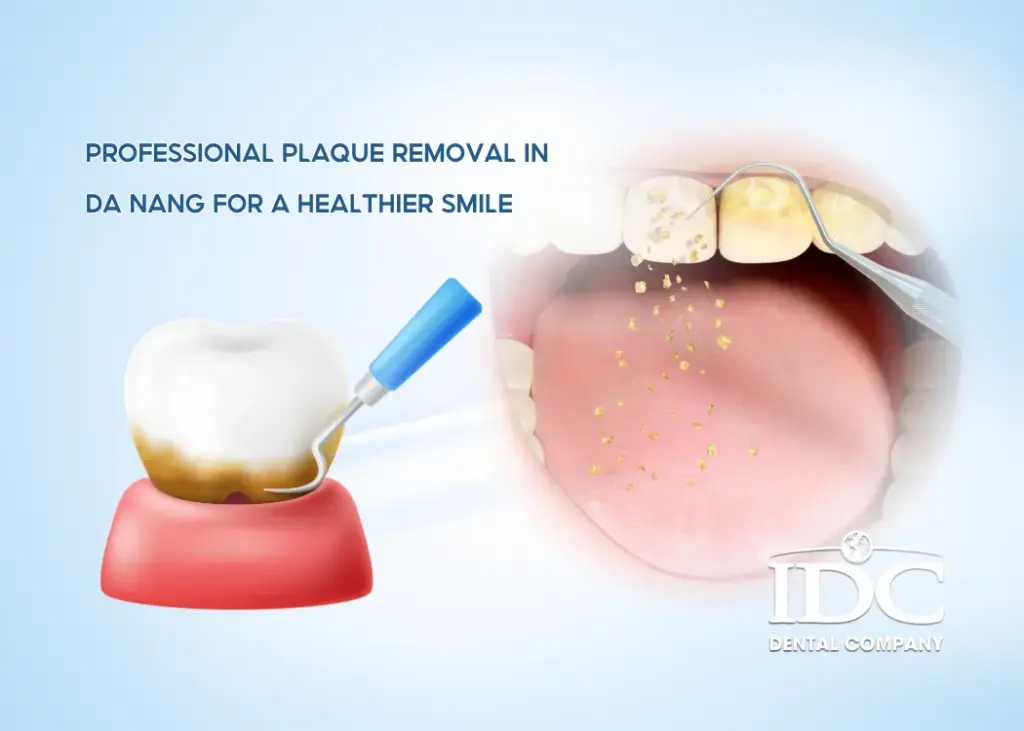
In this guide, you’ll learn what dental plaque is, why it forms, how professional plaque removal works, its benefits, recovery tips, and why choosing professional plaque removal in Da Nang can help you achieve healthier teeth and gums.
What Is Dental Plaque?
Dental plaque is a soft, sticky film made up of bacteria, food particles, and saliva that continuously forms on the surface of your teeth. It develops naturally throughout the day, especially after eating foods rich in sugar or carbohydrates.
If plaque is not removed through proper brushing and flossing, bacteria within the biofilm produce acids that attack tooth enamel and irritate the gums. Over time, plaque can harden into tartar (also known as dental calculus), which cannot be removed with a toothbrush alone and requires professional dental cleaning.
While plaque may seem harmless at first, it is one of the leading causes of tooth decay and periodontal disease worldwide.
What causes plaque buildup?
Plaque develops naturally, but certain habits and conditions can accelerate its accumulation.
Poor Oral Hygiene
Brushing less than twice a day or neglecting daily flossing allows plaque to remain on the teeth for longer periods, giving bacteria more time to multiply.
Sugary and Starchy Foods
Foods and drinks high in sugar or refined carbohydrates feed harmful oral bacteria. As these bacteria digest sugars, they produce acids that contribute to plaque formation and enamel erosion.
Common examples include:
- Candy
- Soft drinks
- Cakes
- Bread
- Cookies
- Sweetened coffee and tea
Dry Mouth
Saliva helps wash away food particles and neutralize harmful acids. Reduced saliva production, whether due to medications or certain medical conditions, increases the risk of plaque buildup.
Smoking and Tobacco Use
Smoking changes the bacterial environment in the mouth, promotes plaque accumulation, and increases the risk of gum disease. Smokers often experience faster tartar formation than non-smokers.
Orthodontic Appliances
Braces, retainers, and other dental appliances create additional surfaces where plaque can accumulate, making oral hygiene more challenging.
Skipping Regular Dental Visits
Even individuals with good brushing habits benefit from routine professional cleanings. Missing regular dental appointments allows plaque to harden into tartar over time.
Signs you may need professional plaque removal
Plaque buildup is not always visible, but several symptoms may indicate it’s time for a professional dental cleaning.
Common signs include:
- A yellow or white film on the teeth
- Persistent bad breath (halitosis)
- Bleeding while brushing or flossing
- Red or swollen gums
- Tooth sensitivity
- A rough feeling on the teeth
- Stains near the gumline
- Early signs of gingivitis
If left untreated, these symptoms may progress to more serious periodontal problems.
Why professional plaque removal is important
Professional plaque removal is much more than a cosmetic procedure—it plays a vital role in preventing oral diseases and preserving your natural teeth.
Prevent Tooth Decay
Plaque bacteria produce acids that gradually dissolve tooth enamel. Regular cleaning helps remove these bacteria before cavities develop.
Reduce the Risk of Gingivitis
Plaque accumulation along the gumline irritates the gums, leading to inflammation, redness, and bleeding. Professional cleaning removes the bacterial deposits responsible for gingivitis.
Prevent Periodontitis
If gingivitis is left untreated, it can progress to periodontitis, a severe gum infection that damages the supporting bone and tissues around the teeth. Routine plaque removal significantly lowers this risk.
Eliminate Bad Breath
Persistent bad breath is often caused by bacteria trapped in plaque and tartar. Removing these deposits helps improve oral freshness.
Protect Tooth Enamel
By reducing bacterial acid production, professional plaque removal helps preserve healthy enamel and lowers the likelihood of future dental problems.
Maintain Long-Term Oral Health
Routine cleanings allow your dentist to monitor changes in your oral health and identify concerns such as cavities, gum disease, or worn restorations before they become more serious.
How Is Professional Plaque Removal Performed?
Professional plaque removal is a safe, minimally invasive procedure designed to thoroughly clean the teeth and gums.
Comprehensive Oral Examination
Before treatment begins, the dentist or dental hygienist examines your teeth, gums, and oral tissues to assess your overall oral health.
Digital X-rays (If Needed)
If signs of gum disease, bone loss, or hidden decay are present, digital X-rays may be recommended to provide a more complete diagnosis.
Ultrasonic Scaling
An ultrasonic scaler uses high-frequency vibrations and a gentle stream of water to remove plaque and tartar from the tooth surfaces and along the gumline.
This method is efficient, comfortable, and suitable for most patients.
Hand Scaling Instruments
After ultrasonic scaling, hand instruments are used to remove any remaining deposits in areas requiring greater precision.
Teeth Polishing
Once plaque and tartar have been removed, the teeth are polished using a professional polishing paste to eliminate surface stains and leave the teeth feeling smooth.
A smoother tooth surface also makes it more difficult for plaque to accumulate again.
Fluoride Treatment (Optional)
Some patients, particularly those at higher risk of tooth decay, may benefit from a fluoride treatment to strengthen enamel and reduce sensitivity.
Oral Hygiene Instructions
Before leaving the clinic, patients receive personalized recommendations on brushing techniques, flossing, and home care to help maintain their results.
Professional Plaque Removal vs. Daily Brushing
Many patients wonder whether regular brushing is enough to keep their teeth clean.
The answer is no.
Daily brushing and flossing remove fresh plaque from accessible areas, but they cannot remove hardened tartar. Once plaque mineralizes into tartar, only professional dental instruments can safely eliminate it.
Routine professional cleaning complements—not replaces—good oral hygiene habits.
Does Professional Plaque Removal Hurt?
Professional plaque removal is generally comfortable and well tolerated.
Most patients experience little more than mild pressure or vibration during ultrasonic scaling.
Those with gum inflammation or exposed tooth roots may experience temporary sensitivity, but discomfort is usually minimal and short-lived.
For patients with severe sensitivity or extensive plaque buildup, local anesthesia can be used to improve comfort during treatment.
How Long Does Professional Plaque Removal Take?
The length of the appointment depends on the amount of plaque and tartar present.
- Routine cleaning: Approximately 30–45 minutes.
- Moderate plaque buildup: Around 45–60 minutes.
- Patients with gum disease: May require longer appointments or multiple visits for deep cleaning.
Most individuals are able to return to work or daily activities immediately after the procedure.
Recovery After Professional Plaque Removal
Recovery is typically quick, with most patients experiencing little to no downtime.
You may notice:
- Mild tooth sensitivity
- Slight gum tenderness
- Minor bleeding during brushing for one or two days
These symptoms usually resolve quickly.
To support healing, dentists often recommend:
- Drinking plenty of water
- Brushing gently with a soft toothbrush
- Avoiding extremely hot or cold foods if sensitivity occurs
- Following good oral hygiene practices
Who Should Get Professional Plaque Removal?
Professional plaque removal is beneficial for nearly everyone.
It is especially recommended for:
- Adults
- Teenagers
- Children with permanent teeth
- Patients wearing braces
- Smokers
- Individuals with diabetes
- Patients with gum disease
- People prone to cavities
- International visitors seeking preventive dental care during their stay in Da Nang
Regular cleanings are an important part of preventive dentistry regardless of age.
How Often Should You Have Plaque Removed?
For most healthy adults, professional dental cleaning is recommended every six months.
However, some patients may require more frequent visits, including those with:
- Gum disease
- Heavy tartar buildup
- Diabetes
- Smoking habits
- Orthodontic appliances
- Dry mouth
Your dentist will recommend a personalized cleaning schedule based on your oral health needs.
Tips to Prevent Plaque Buildup
Although plaque forms naturally, healthy habits can significantly reduce its accumulation.
To keep your smile healthy:
- Brush your teeth twice daily using fluoride toothpaste.
- Floss every day.
- Use an antibacterial mouthwash if recommended.
- Limit sugary snacks and drinks.
- Drink plenty of water throughout the day.
- Eat a balanced diet rich in fruits and vegetables.
- Replace your toothbrush every three to four months.
- Avoid smoking and tobacco products.
- Schedule regular professional dental cleanings.
Consistent preventive care is the best defense against plaque-related dental problems.
Why Choose Professional Plaque Removal in Da Nang?
Da Nang has become one of Vietnam’s leading destinations for modern preventive dentistry.
Patients benefit from:
- Experienced dentists and dental hygienists
- Modern ultrasonic scaling equipment
- Digital diagnostic technology
- Comfortable treatment environment
- Personalized preventive care
- Affordable pricing compared with many Western countries
- English-speaking dental teams
- Convenient appointments for international visitors and dental tourists
Whether you’re living in Da Nang or visiting Vietnam, professional plaque removal is a simple way to maintain long-term oral health.
Frequently Asked Questions
Is plaque removal the same as teeth cleaning?
Professional plaque removal is a key part of routine dental cleaning. The procedure also includes tartar removal, polishing, and an assessment of your oral health.
Can plaque be removed at home?
Fresh plaque can be removed through proper brushing and flossing, but hardened tartar requires professional dental instruments.
Does plaque removal damage tooth enamel?
No. Professional cleaning removes plaque and tartar without harming healthy enamel when performed by trained dental professionals.
Can professional cleaning whiten teeth?
Plaque removal can eliminate surface stains, making teeth appear cleaner and brighter. However, it is not the same as professional teeth whitening.
Is professional plaque removal safe during pregnancy?
Yes. Routine dental cleanings are generally considered safe during pregnancy and can help reduce the risk of pregnancy-related gum inflammation.
Why Choose Our Dental Clinic in Da Nang
Our clinic is dedicated to helping patients maintain healthy smiles through comprehensive preventive dental care. Using modern ultrasonic scaling technology and a patient-centered approach, we provide gentle and effective plaque removal tailored to each individual’s needs.
Our team offers:
- Experienced dentists focused on preventive dentistry
- Advanced digital diagnostic equipment
- Gentle ultrasonic cleaning techniques
- Personalized oral hygiene guidance
- English-speaking staff for international patients
- Comfortable care in a modern clinical environment
Whether you need a routine dental cleaning or preventive care before more complex treatment, our team is committed to helping you achieve healthier teeth and gums.
 WhatsApp