
Experiencing tooth pain after a dental crown is a common concern for many patients, but knowing whether your discomfort is part of the normal healing process can save you unnecessary worry. While mild soreness and temporary sensitivity to hot or cold are expected for a few days following the procedure, severe throbbing or persistent aching is not normal and often signals a fit or nerve issue.
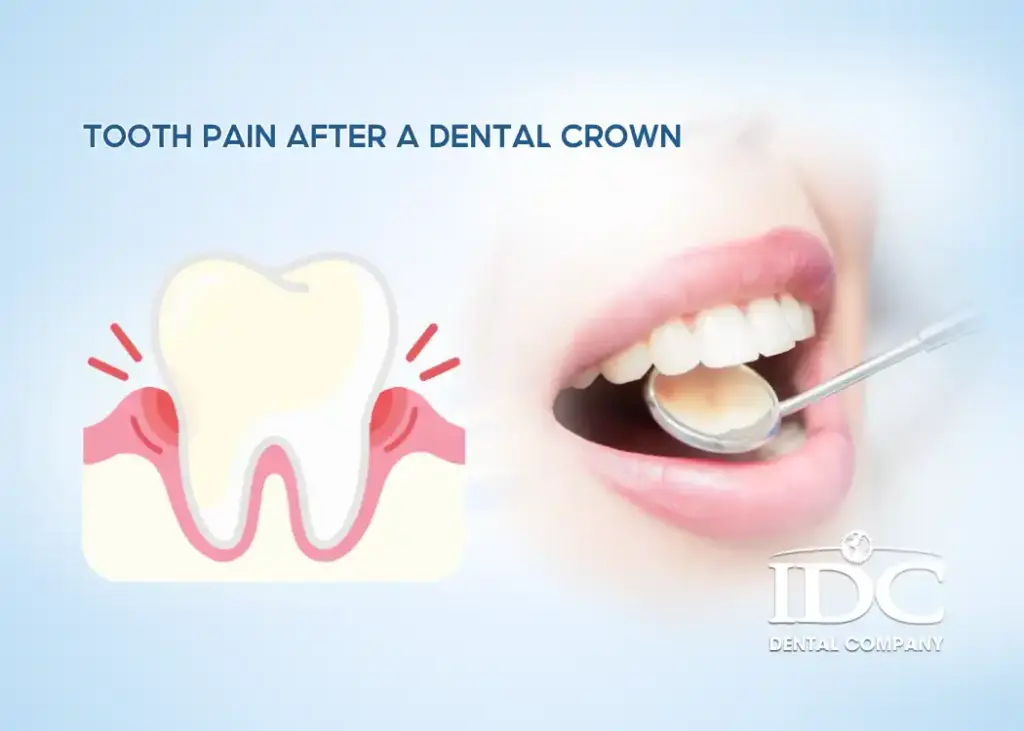
In this guide, we will break down what to expect during your recovery timeline, differentiate normal symptoms from red flags, explore the main causes of discomfort, share home relief strategies, and highlight when to consult your dentist.
1. Tooth Pain After a Dental Crown: Normal vs. Abnormal Crown Pain
Understanding the distinction between routine recovery discomfort and warning signs is essential for your oral health and peace of mind.
Normal Post-Crown Symptoms
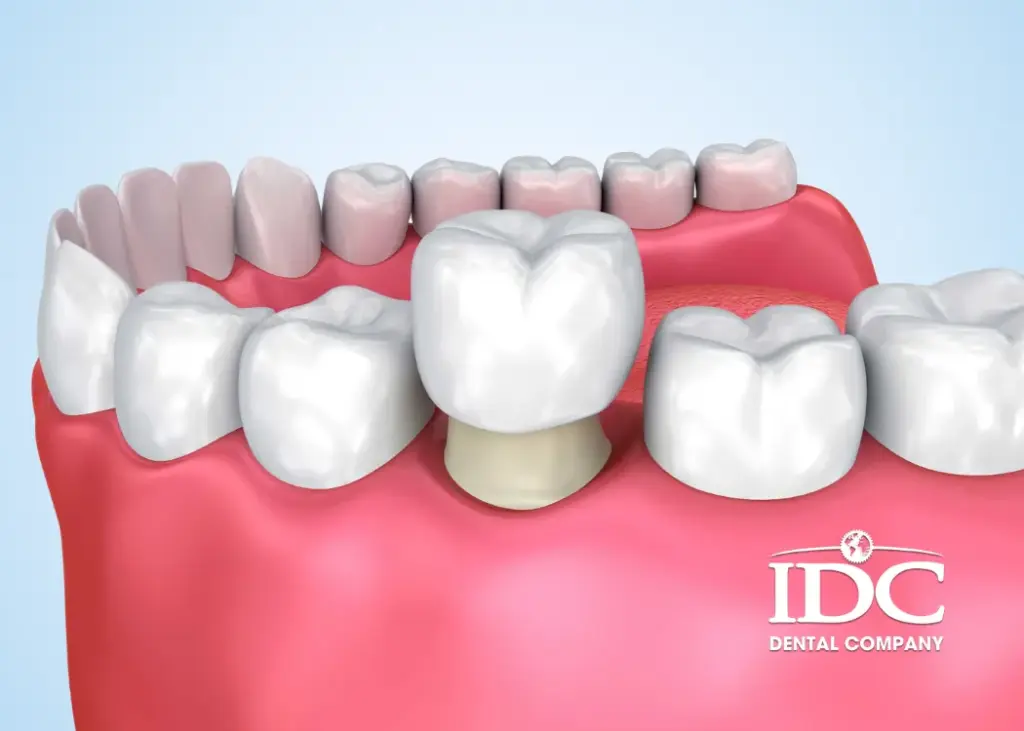
When a dentist prepares a tooth for a crown, they must reshape the natural enamel, adjust the surrounding gum tissue, and use dental adhesives.
This mechanical manipulation often triggers temporary inflammation.
- Mild Temperature Sensitivity: Feeling a slight zing when drinking cold water or hot tea is very common for the first few days.
- Gum Soreness: The gum tissue surrounding the crowned tooth may feel tender, swollen, or bruised due to the placement of retraction cords or dental matrices during the procedure.
- Slight Discomfort When Chewing: A mild ache when applying pressure during the first 24 to 48 hours is typically part of the normal healing response.
Abnormal Symptoms (Red Flags)
If your discomfort falls into any of the following categories, it likely indicates a complication rather than normal recovery:
- Sharp or Constant Throbbing Pain: Severe pain that radiates into your jaw, ear, or head.
- Pain When Biting Down After Several Days: If every time your teeth touch you experience a sharp jab of pain, the bite alignment may be incorrect.
- Visible Swelling or Abscess: Any swelling in your gums, cheek, or facial tissues—or a pimple-like bump on the gums.
- Nighttime Pain: Throbbing discomfort that intensifies when you lie down or wakes you from sleep.
- Foul Odor or Taste: A bad taste radiating from around the restoration, which can indicate trapped bacteria or an infection.
2. Recovery Timeline: How Long Should Pain Last?
The duration of your discomfort is a key factor in determining whether your tooth is healing properly.
First 24 to 48 Hours
As the local anesthetic wears off, you will likely feel a dull ache in the tooth and surrounding gums. The nerve inside the tooth (the pulp) may be aggravated from the friction and heat generated during tooth preparation. Taking over-the-counter pain medication during this window is usually sufficient.
Days 3 to 7
During the first week, sensitivity to hot and cold should begin to subside significantly. Your gums should begin to pink up and feel less raw. By day seven, eating standard soft-to-medium foods should feel relatively comfortable.
Beyond 1 to 2 Weeks
By two weeks post-procedure, your crowned tooth should feel natural and function just like your other teeth. If you are still experiencing persistent sensitivity, pain when chewing, or spontaneous aching after 14 days, your tooth requires professional dental evaluation.
3. Common Causes of Pain After Getting a Dental Crown
Dental crown pain can stem from several distinct mechanical, biological, or structural factors. Identifying the specific trigger helps determine the correct treatment.
Cause 1: High Bite (Uneven Alignment)
This is by far the most frequent cause of pain following a new crown.
When your dentist cements the crown, they check your bite using articulating paper. However, because your mouth is often numb during the appointment, it can be difficult to tell if your bite feels 100% natural. If the crown is even a fraction of a millimeter too high, it will make contact with the opposing tooth before any other teeth do.
Every time you chew, swallow, or clench your jaw, that single tooth absorbs excessive force. This constant trauma inflames the periodontal ligament—the shock-absorbing fibers that anchor the tooth root to the jawbone—leading to severe pain when biting down.
Cause 2: Tooth Sensitivity & Nerve Irritation
Preparing a tooth for a crown requires removing a layer of outer enamel to make room for the restoration material (ceramic, porcelain, or metal). The drilling process can generate heat and vibration, which temporary agitates the nerve inside the center of the tooth (the dental pulp).
If the crown was placed without a root canal, the living nerve remains inside. Highly sensitive teeth may respond to this procedure with transient pulpitis (reversible nerve inflammation), causing temporary temperature sensitivity.
Cause 3: Deep Decay or Irreversible Pulpitis
If the original tooth had deep decay or a large pre-existing filling close to the nerve chamber, the nerve may already have been compromised prior to crown placement.
The additional stress of the crown procedure can tip an already vulnerable nerve into irreversible pulpitis—a condition where the nerve inside the tooth cannot heal itself and begins to die. This typically causes deep, relentless, throbbing pain that worsens at night.
Cause 4: Gum Tissue Irritation or Margin Placement
During crown preparation, dentists often use a thin string called a retraction cord to push the gums away from the tooth edge, ensuring an accurate impression. Additionally, dental cement can sometimes squeeze into the gum margin during final placement.
If excess cement is left beneath the gumline, it acts like a splinter, causing localized inflammation, bleeding, and aching in the gums surrounding the restoration.
Cause 5: Micro-leakage or Poorly Fitted Crown
If the margin—where the crown meets the natural tooth root—is not sealed perfectly, microscopic gaps remain. Fluids, hot/cold stimuli, and bacteria can seep beneath the restoration. This micro-leakage causes temperature sensitivity and, over time, can lead to recurrent tooth decay beneath the crown.
Cause 6: Teeth Grinding (Bruxism)
If you grind or clench your teeth during sleep, placing a new restoration can draw extra focus to that area. Grinding exerts extreme heavy forces on the newly crowned tooth, exacerbating any mild inflammation already present in the periodontal ligament.
4. How to Manage Tooth Pain After a Crown at Home
If your pain is mild and within the expected recovery timeframe, several home care remedies can ease your discomfort while the tooth heals.
Over-the-Counter (OTC) Pain Relief
Non-steroidal anti-inflammatory drugs (NSAIDs) such as Ibuprofen are particularly effective for dental pain because they address both discomfort and tissue swelling. Alternating Ibuprofen with Acetaminophen (Tylenol) under the direction of your healthcare provider can provide continuous relief for moderate aches.
Warm Salt Water Rinses
Dissolve 1/2 teaspoon of table salt in a glass of warm water and gently swish it around your mouth for 30 seconds, 3 to 4 times a day. Salt water acts as a natural disinfectant, reduces localized gum swelling, and accelerates healing of traumatized soft tissue.
Desensitizing Toothpaste
If your primary symptom is temperature sensitivity, switch to a desensitizing toothpaste containing potassium nitrate or stannous fluoride. These compounds work by blocking the tiny microscopic tubules in the dentin that transmit hot and cold sensations directly to the nerve. Use it twice daily, and avoid rinsing forcefully with water immediately after brushing to let the active ingredients work.
Dietary Adjustments
Help your tooth recover by reducing physical stress on the crown:
- Avoid Hard Foods: Steer clear of nuts, ice, hard candies, and crusty bread.
- Avoid Sticky Foods: Avoid caramel, chewing gum, and gummy candies that could tug at the restoration.
- Choose Soft Foods: Opt for eggs, yogurt, pasta, soups, smoothies, and mashed potatoes during the first few days.
- Chew on the Opposite Side: Shift chewing duties to the un-restored side of your mouth temporarily to give the new crown a rest.
5. When to Call Your Dentist
While patience is required during oral healing, waiting too long when a true complication exists can lead to worse outcomes, such as tooth loss or spreading infection.
Contact your dental clinic promptly if you experience any of the following:
- Pain That Escalates: Instead of improving over 3 to 5 days, the discomfort grows steadily more severe.
- High Bite Sensations: You notice that the crowned tooth makes contact before your other teeth when closing your jaw.
- Signs of Infection: Visible swelling on your gums, facial swelling, fever, or pus discharge around the restoration.
- Mobility: The crown feels loose, moves when touched, or has detached from the underlying tooth structure.
- Inability to Sleep: Pain that keeps you awake at night despite taking maximum over-the-counter pain medication.
6. Professional Treatments for Crown Pain
When you return to your dentist with post-crown discomfort, they will perform a clinical examination, check your bite, and take X-rays to pinpoint the exact issue. Treatment depends on the diagnosis:
Bite Adjustment (Occlusal Adjustment)
If the crown is too high, this is the quickest and easiest fix. Your dentist will mark high spots using articulating paper and use a fine dental bur to smooth down the microscopic excess porcelain. This process takes only a few minutes, requires no anesthesia, and provides immediate pressure relief.
Root Canal Therapy (RCT)
If X-rays reveal nerve damage, deep infection, or irreversible pulpitis beneath the crown, a root canal will be necessary.
In many cases, the endodontist or dentist can drill a tiny access hole through the top of the crown to remove the infected pulp and seal the canal without having to remove and remake the entire restoration.
Crown Replacement
If the existing crown has improper margins, excess cement trapped deep below the gum line, or structural cracks, the crown will need to be removed.
The underlying tooth will be cleaned, a new impression taken, and a freshly fitted crown fabricated.
Custom Night Guard
If teeth grinding is aggravating your restoration, your dentist can fabricate a custom-fitted night guard to protect your crown and natural teeth from nocturnal pressure forces.
7. Frequently Asked Questions (FAQ)
Q1: Why does my crowned tooth hurt specifically when I chew?
Pain exclusively triggered by biting pressure is almost always caused by a high bite (the crown sits slightly higher than surrounding teeth) or inflammation in the periodontal ligament beneath the root. A simple, painless bite adjustment by your dentist usually resolves this completely within a couple of days.
Q2: Can a tooth under a crown get infected years later?
Yes. A crown protects the visible portion of the tooth, but the natural tooth structure beneath can still decay if oral hygiene is neglected. If micro-gaps develop at the crown margin over time, bacteria can enter, leading to new cavities, nerve death, and abscesses years after placement.
Q3: Do I automatically need a root canal if my crowned tooth hurts?
No. Most post-crown pain stems from minor nerve irritation, gum soreness, or a high bite—none of which require a root canal. A root canal is only necessary if the nerve inside the tooth becomes permanently infected or dies (irreversible pulpitis).


 WhatsApp