
Getting teeth cleaning every 6 months is a simple but essential step to maintain good oral health. Although brushing and flossing daily help control plaque, they cannot remove hardened tartar that builds up over time. Professional cleaning removes these deposits, helping prevent cavities, gum disease, and bad breath.
Even if your teeth feel normal, many dental problems develop without noticeable symptoms. Regular cleaning allows dentists to detect issues early and keep your smile healthy while avoiding costly treatments later.
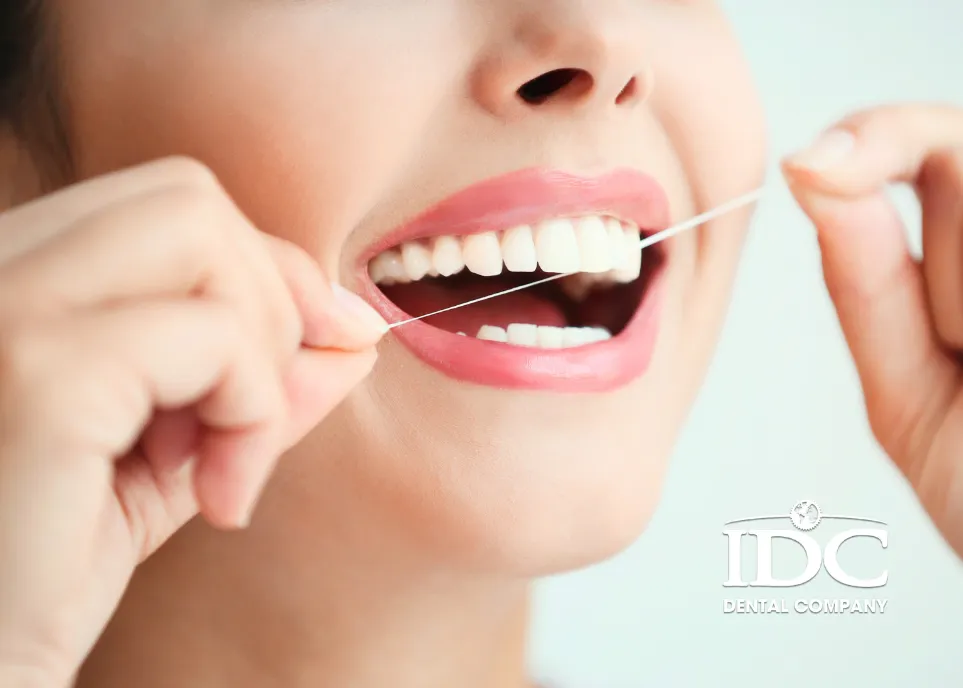
This article explains why teeth cleaning every six months is important, what the procedure involves, and how it helps protect your long-term oral health.
What Is Professional Teeth Cleaning?
Professional teeth cleaning, also known as dental scaling and polishing, is a preventive dental procedure performed by a dentist or dental hygienist.
The main purpose is to remove plaque, tartar (calculus), and surface stains that cannot be eliminated through regular brushing.
Difference Between Daily Brushing and Professional Cleaning
Even if you brush twice a day and floss regularly, some areas of the mouth are difficult to clean completely. Over time, soft plaque hardens into tartar, which sticks firmly to the teeth and along the gumline.
Once tartar forms, it cannot be removed at home and requires professional dental instruments.
What Happens During a Teeth Cleaning Appointment?
A typical cleaning visit includes:
- Examination of teeth and gums
- Removal of plaque and tartar using ultrasonic and hand instruments
- Polishing to smooth tooth surfaces and remove stains
- Fluoride application (if needed)
- Personalized oral hygiene advice
The entire procedure usually takes 30–60 minutes and is safe, quick, and comfortable.
Why Is Teeth Cleaning Recommended Every 6 Months?
Plaque and Tartar Build Up Over Time
Bacteria constantly form plaque on teeth after eating and drinking. If not removed completely, plaque hardens into tartar within weeks. Tartar creates a rough surface where more bacteria can accumulate, increasing the risk of tooth decay and gum disease.
Cleaning every six months prevents excessive buildup before it becomes a serious problem.
Early Detection of Dental Problems
One major reason why dentists recommend regular visits is early diagnosis. During a cleaning appointment, the dentist can detect:
- Small cavities
- Early-stage gum disease
- Cracked or worn teeth
- Oral infections
- Signs of oral cancer
Early treatment is simpler, less invasive, and more affordable than treating advanced conditions.
Preventing Gum Disease
Gum disease begins with gingivitis, which causes redness, swelling, and bleeding. If left untreated, it can progress to periodontitis, leading to bone loss and tooth loss.
Regular teeth cleaning removes bacteria around the gumline and significantly reduces the risk of gum disease progression.
Maintaining Fresh Breath and a Brighter Smile
Tartar and bacterial buildup are common causes of bad breath. Professional cleaning removes odor-causing bacteria and stains from coffee, tea, wine, or smoking, leaving your mouth fresher and your smile brighter.
What Happens If You Skip Regular Teeth Cleaning?
Skipping dental cleanings may seem harmless at first, especially if you don’t feel pain. However, dental problems often develop silently.
Increased Risk of Cavities
Plaque produces acids that weaken tooth enamel, leading to decay. Without regular removal, cavities can develop and worsen over time.
Gum Inflammation and Bleeding
Bacteria around the gums cause inflammation, which may lead to bleeding during brushing or flossing.
Progression to Periodontitis and Bone Loss
Untreated gum disease can destroy the bone that supports teeth, eventually causing loose teeth or tooth loss.
Higher Treatment Costs Later
Preventive cleaning is inexpensive compared to treatments like fillings, root canals, deep scaling, or dental implants.
Impact on Overall Health
Research has linked poor oral health with systemic conditions such as heart disease, diabetes complications, and respiratory infections. Maintaining healthy gums helps support overall wellness.
Who Needs More Frequent Teeth Cleaning?
While six months is the standard recommendation, some individuals may need cleaning every 3–4 months, including:
- Patients with gum disease
- Smokers
- People with diabetes
- Individuals with weakened immune systems
- Patients with braces, implants, crowns, or bridges
- People who tend to build up heavy tartar quickly
Your dentist will recommend a personalized cleaning schedule based on your oral condition.
Who Might Need Cleaning Less Often?
Some people with excellent oral hygiene and low risk for dental disease may be advised to extend the interval between cleanings.
However, this decision should always be made by a dentist after a thorough examination.
For most adults, six months remains the safest and most effective preventive schedule.
Benefits of Teeth Cleaning Every 6 Months
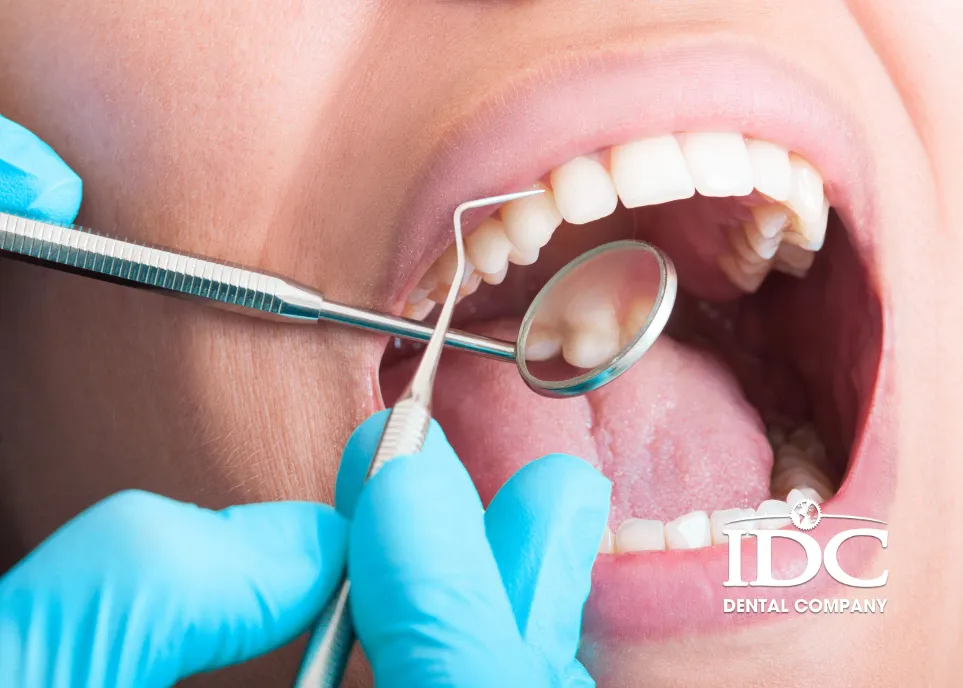
Regular dental cleaning offers multiple long-term benefits:
Preventive Care Instead of Treatment
Routine cleaning helps stop problems before they start.
Lower Long-Term Dental Costs
Preventing cavities and gum disease reduces the need for expensive procedures.
Better Oral and Overall Health
Healthy gums reduce inflammation and support general health.
Improved Confidence
Clean teeth look brighter, feel smoother, and contribute to a confident smile.
Is Teeth Cleaning Every 6 Months Safe?
Does Scaling Damage Enamel?
Professional scaling does not damage enamel. Dental instruments are designed to remove tartar safely without harming the tooth structure.
Is Teeth Cleaning Painful?
Most patients feel little to no discomfort. Those with sensitive teeth or inflamed gums may experience mild sensitivity, which usually disappears within a day or two.
Safety of Modern Technology
Modern clinics use ultrasonic scalers and advanced equipment that make the procedure faster, more effective, and more comfortable.
Signs You Should Schedule a Teeth Cleaning Soon
Even if it hasn’t been six months, you should visit a dentist if you notice:
- Bleeding gums when brushing
- Persistent bad breath
- Yellow or brown deposits near the gumline
- Gum swelling or tenderness
- Tooth sensitivity
- More than six months since your last dental visit
Early care helps prevent serious complications.
What to Expect After a Teeth Cleaning
After cleaning, your teeth will feel smoother and cleaner. Some patients may experience temporary sensitivity to cold or hot foods, especially if there was heavy tartar buildup.
Post-Cleaning Care Tips
- Brush twice daily with fluoride toothpaste
- Floss once a day
- Avoid staining foods or drinks for 24 hours
- Maintain regular dental visits
Good home care helps maintain the results until your next appointment.
How Much Does Teeth Cleaning Cost?
The cost of teeth cleaning varies by country and clinic.
- In many Western countries, $100–$300 per visit
- In Vietnam or other dental tourism destinations: significantly more affordable while maintaining high-quality standards.
Because preventive cleaning helps avoid costly treatments, it is one of the most cost-effective dental services available.
Why Choose a Professional Dental Clinic for Regular Cleaning?
Choosing a reputable dental clinic ensures:
- Experienced dentists and hygienists
- Modern equipment and strict sterilization standards
- Gentle and comfortable treatment
- Accurate diagnosis and preventive advice
- Personalized care based on your oral condition
Regular visits to a professional clinic help you maintain long-term oral health safely and effectively.
Frequently Asked Questions
Is teeth cleaning really necessary every 6 months?
Yes. Regular cleaning prevents tartar buildup, gum disease, and cavities.
Can I clean my teeth at home instead?
Brushing and flossing are essential, but they cannot remove hardened tartar.
How long does a cleaning appointment take?
Typically 30–60 minutes.
Is teeth cleaning safe for sensitive teeth?
Yes. Dentists can adjust the procedure for comfort.
Does teeth cleaning whiten teeth?
It removes stains and makes teeth look brighter, but it is not the same as professional whitening.


 WhatsApp