Removable Dentures are a popular and cost-effective solution for replacing missing teeth, helping restore your smile, chewing ability, and confidence. Thanks to modern dental technology, today’s dentures are more comfortable, natural-looking, and functional than ever before.
But are removable dentures the right choice for you? In this guide, we’ll explore their benefits, limitations, who they are best suited for, and how they compare with dental implants and dental bridges.
What are removable dentures?
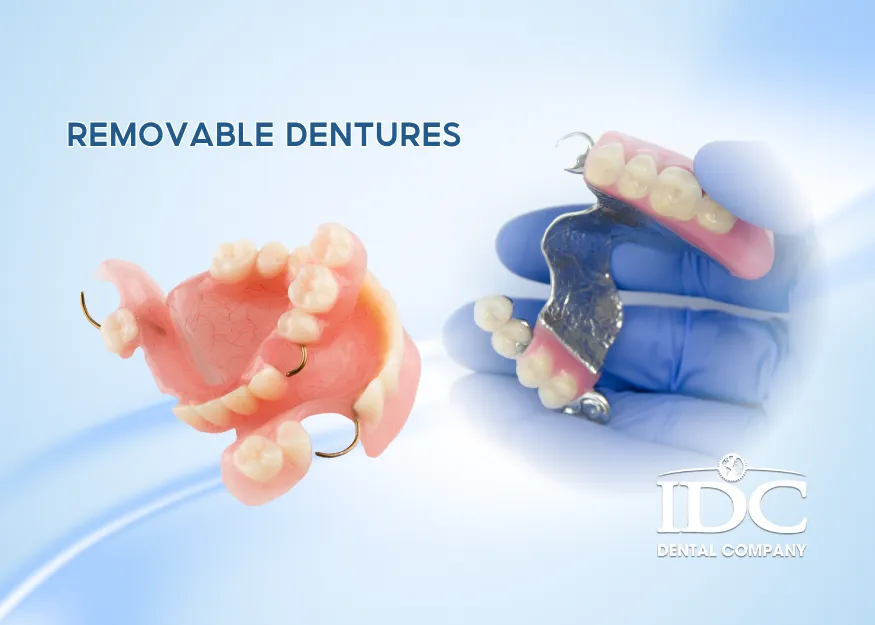
Removable dentures are custom-made dental prostheses designed to replace missing teeth and surrounding gum tissue. Unlike dental implants or bridges, dentures can be removed for cleaning and maintenance.
Modern dentures are individually crafted to fit each patient’s mouth, helping restore chewing ability, speech, facial support, and confidence.
Depending on the number of missing teeth, your dentist may recommend different types of dentures.
Types of removable dentures
Complete Dentures
Complete dentures replace all teeth in either the upper or lower jaw. They rest directly on the gums and are designed for patients who have lost every natural tooth.
Partial Dentures
Partial dentures replace several missing teeth while preserving healthy remaining teeth. They are usually supported with small clasps attached to nearby teeth.
Immediate Dentures
Immediate dentures are placed immediately after tooth extraction, allowing patients to avoid being without teeth during the healing period.
Implant-Supported Removable Dentures
These dentures attach securely to dental implants placed in the jawbone. They remain removable but offer significantly greater stability than traditional dentures.
Are removable dentures a good option?
For many patients, the answer is yes.
Removable dentures provide an effective solution for restoring missing teeth, especially for individuals seeking a non-surgical and budget-friendly treatment.
However, whether they are the best option depends on factors such as oral health, lifestyle, expectations, and long-term treatment goals.
Benefits of Removable Dentures
Affordable Tooth Replacement
One of the biggest advantages of removable dentures is affordability.
Compared to dental implants or implant-supported restorations, removable dentures require a much lower initial investment, making them accessible to a wider range of patients.
No Surgery Required
Unlike dental implants, removable dentures do not require surgery or healing time after implant placement.
This makes them an excellent choice for patients who:
- Have medical conditions limiting surgery
- Have insufficient jawbone
- Prefer less invasive treatment
- Need a quicker solution
Restore Chewing Function
Although removable dentures cannot fully match the chewing efficiency of natural teeth or implants, they significantly improve the ability to eat compared with having missing teeth.
Most patients gradually adapt and can comfortably enjoy many everyday foods.
Improve Speech
Missing teeth often affect pronunciation, especially for sounds involving the front teeth.
Properly fitted dentures help improve speech clarity and reduce difficulty speaking.
Restore Facial Appearance
Teeth support facial muscles.
When teeth are lost, cheeks may appear sunken, lips lose support, and facial wrinkles become more noticeable.
Dentures restore facial volume, creating a younger and healthier appearance.
Improve Confidence
Many people feel embarrassed after losing teeth.
A well-designed denture restores a natural smile, allowing patients to smile, laugh, and socialize with greater confidence.
Easy to Repair or Replace
If damaged or worn over time, removable dentures are generally easier and less expensive to repair or replace than other restorative options.
Limitations of Removable Dentures
Although dentures offer many advantages, they also have some limitations.
Less Stable Than Dental Implants
Traditional dentures rely on the gums for support.
During eating or speaking, they may move slightly, particularly lower dentures.
Require Daily Removal
Dentures should be removed every day for proper cleaning and overnight soaking.
Good hygiene is essential for preventing bacterial buildup and maintaining healthy gums.
Adaptation Period
New denture wearers usually require several weeks to become fully comfortable.
Some patients experience:
- Mild soreness
- Increased saliva
- Difficulty chewing
- Minor speech changes
These issues usually improve with time.
Bone Loss Continues
Unlike dental implants, removable dentures do not stimulate the jawbone.
As a result, natural bone loss continues after tooth extraction, potentially affecting denture fit over time.
Periodic Adjustments
As the jawbone changes, dentures may become loose.
Regular adjustments or replacement may be necessary every several years.
Who is a good candidate for removable dentures?
Removable dentures are particularly suitable for:
- Patients missing multiple teeth
- Individuals who have lost all teeth
- Older adults
- Patients seeking affordable treatment
- Individuals unable to receive implant surgery
- Patients with significant bone loss
- Those wanting a faster tooth replacement solution
Who may benefit more from dental implants?
Although dentures are highly effective, dental implants may be a better long-term solution for patients who:
- Want maximum chewing strength
- Prefer fixed teeth
- Have sufficient jawbone
- Are healthy enough for oral surgery
- Desire the longest-lasting restoration
Your dentist will evaluate your individual condition before recommending the most appropriate treatment.
Removable dentures vs dental implants
| Feature | Removable Dentures | Dental Implants |
|---|---|---|
| Surgery | No | Yes |
| Stability | Moderate | Excellent |
| Comfort | Good | Excellent |
| Bone Preservation | No | Yes |
| Lifespan | 5–10 years | 20+ years with proper care |
| Cost | Lower | Higher |
Dental implants generally provide superior stability, comfort, and bone preservation, while dentures remain a practical option for patients seeking a less expensive solution.
Removable dentures vs dental bridges
Dental bridges replace one or several missing teeth by attaching artificial teeth to neighboring natural teeth.
Compared with bridges:
Dentures
- Replace multiple missing teeth
- Can replace all teeth
- Are removable
- Usually cost less
Dental Bridges
- Feel more natural
- Are permanently fixed
- Require healthy adjacent teeth
- Cannot replace an entire arch
The best choice depends on each patient’s clinical situation.
What Is the Process of Getting Removable Dentures?
The treatment process typically includes:
Initial Consultation
Your dentist evaluates your oral health and discusses available treatment options.
Comprehensive Examination
Digital X-rays and oral examination help determine whether dentures are appropriate.
Tooth Extraction (If Necessary)
Damaged or non-restorable teeth may need removal before denture fabrication.
Dental Impressions
Precise impressions are taken to ensure a comfortable, customized fit.
Bite Registration
Your dentist records your bite relationship to ensure proper function.
Denture Fabrication
Dental technicians carefully create your custom dentures using durable, aesthetic materials.
Fitting Appointment
Your dentist checks the fit, appearance, and bite before final delivery.
Follow-Up Adjustments
Minor adjustments are often needed during the first few weeks to maximize comfort.
How long do removable dentures last?
Most removable dentures last between 5 and 10 years.
However, this depends on:
- Daily care
- Material quality
- Oral health
- Changes in jawbone shape
Signs that dentures may need replacement include:
- Loose fit
- Difficulty chewing
- Visible wear
- Cracks
- Gum discomfort
How to Care for Removable Dentures
Proper maintenance significantly extends denture lifespan.
Clean Daily
Use a soft denture brush and non-abrasive cleanser.
Soak Overnight
Store dentures in water or denture cleaning solution overnight to prevent drying.
Handle Carefully
Avoid dropping dentures, as acrylic materials may fracture.
Clean Your Mouth
Brush your gums, tongue, and remaining teeth daily.
Visit Your Dentist Regularly
Routine dental examinations help monitor denture fit and oral health.
Common problems with removable dentures
Some patients may experience:
Sore Spots
Minor irritation often occurs during the adjustment period.
Loose Dentures
Bone changes over time may reduce denture stability.
Difficulty Eating
Patients usually adapt after several weeks of practice.
Speech Changes
Reading aloud and regular speaking practice often improve pronunciation.
Bad Breath
Poor denture hygiene can allow bacteria to accumulate.
Regular cleaning greatly reduces this problem.
Frequently asked questions
Are removable dentures comfortable?
Yes. Modern dentures are significantly more comfortable than older designs, although an adjustment period is normal.
Can I sleep with removable dentures?
Most dentists recommend removing dentures at night to allow the gums to rest.
How long does it take to get used to dentures?
Most patients adapt within two to six weeks.
Can dentures replace all missing teeth?
Yes. Complete dentures can replace an entire upper or lower arch.
Are removable dentures better than implants?
Not necessarily. Each option has different advantages depending on the patient’s needs, oral health, and budget.
Can I eat normally with dentures?
Yes, although patients may initially need softer foods before gradually returning to a normal diet.
When should you choose removable dentures?
Removable dentures remain an excellent solution for many patients experiencing tooth loss. They offer an affordable, non-surgical way to restore appearance, chewing ability, speech, and confidence.
While dental implants provide greater stability and long-term bone preservation, dentures continue to be one of the most practical choices for individuals with multiple missing teeth, complete tooth loss, limited budgets, or medical conditions that make surgery unsuitable.
The best treatment option should always be determined after a comprehensive dental examination and consultation.

 WhatsApp