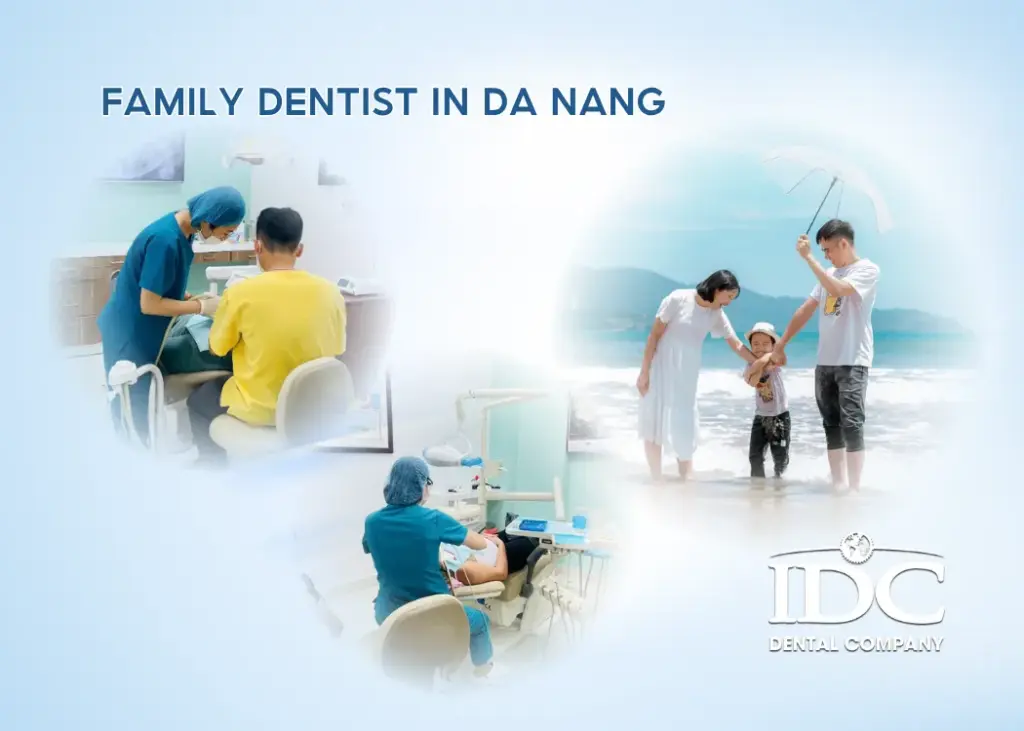
Family Dentist in Da Nang services provide comprehensive dental care for patients of all ages, making it easy for the entire family to receive quality treatment in one convenient location. From children’s first dental visits and routine checkups for adults to specialized care for seniors, a family dentist offers personalized solutions to support lifelong oral health.
With modern technology, experienced dentists, and English-speaking support, many family dental clinics in Da Nang are trusted by local residents, expatriates, overseas Vietnamese, and international visitors alike.
This guide explores the benefits of family dentistry and the services available to help every generation maintain a healthy, confident smile.
What Is a Family Dentist?
A family dentist is a general dental practitioner who provides comprehensive oral healthcare for patients of all ages. Unlike specialists who focus on one particular area of dentistry, family dentists treat a wide variety of dental conditions and build long-term relationships with patients throughout different stages of life.
Instead of visiting multiple dental offices for different family members, parents can schedule appointments for children, teenagers, adults, and grandparents at the same clinic. This simplifies dental care while allowing the dentist to monitor oral health over many years.
Family dentistry typically includes:
- Comprehensive dental examinations
- Professional teeth cleaning
- Preventive dental care
- Tooth-colored fillings
- Gum disease treatment
- Root canal therapy
- Dental crowns and bridges
- Tooth replacement options
- Cosmetic dentistry
- Emergency dental care
- Oral health education
Because family dentists regularly see patients from early childhood through senior years, they are familiar with age-related dental changes and can recommend treatments that are appropriate for each stage of life.
Family Dentist vs. Other Dental Specialists
Many patients wonder whether they should visit a family dentist or a dental specialist. The answer depends on their needs.
A family dentist provides general dental care and preventive treatment for all ages. They often coordinate care and refer patients to specialists when advanced treatment is necessary.
For example:
- A pediatric dentist focuses exclusively on children’s oral health.
- An orthodontist specializes in correcting misaligned teeth and bite problems.
- A prosthodontist restores missing or damaged teeth with advanced prosthetics.
- An oral surgeon performs complex surgical procedures such as impacted wisdom tooth removal or jaw surgery.
For most routine dental care, however, a family dentist is the first healthcare professional patients should visit.
Why Choose a Family Dentist in Da Nang?
Choosing one dental clinic for your entire family offers many advantages beyond simple convenience.
Comprehensive Care Under One Roof
Perhaps the biggest benefit is that every family member can receive dental care in one location.
Children can have routine checkups while parents receive professional cleaning or restorative treatment. Seniors can discuss options for dentures or dental implants during the same visit.
Having one trusted dental team simplifies scheduling and creates a more comfortable experience for everyone.
Long-Term Understanding of Your Family’s Oral Health
A family dentist keeps detailed dental records for every patient.
Over time, they become familiar with:
- Family dental history
- Previous treatments
- Existing restorations
- Bite development
- Gum health
- Medical conditions affecting oral health
This long-term relationship allows for earlier detection of potential problems and more personalized treatment planning.
Convenience for Busy Families
Modern family life is busy, and scheduling multiple appointments at different dental offices can be difficult.
Family dental clinics often allow several family members to book appointments on the same day, reducing travel time and making regular dental care easier to maintain.
This is especially valuable for parents with young children or families visiting Da Nang during holidays.
Reduced Dental Anxiety
Many children feel nervous before their first dental appointment.
Visiting the same clinic as their parents or siblings can make children feel more comfortable and secure. Familiar faces, friendly staff, and a welcoming environment help build positive dental experiences from an early age.
Adults with dental anxiety may also feel more relaxed after developing trust with the same dental team over many years.
Personalized Preventive Care
Every family member has different oral health needs.
A family dentist develops individualized preventive care plans based on:
- Age
- Oral hygiene habits
- Diet
- Medical history
- Risk of tooth decay
- Gum health
- Lifestyle
This proactive approach helps prevent many dental problems before they require more complex treatment.
Dental Care for Children
Children’s oral health plays a critical role in their overall growth and development. Healthy baby teeth support proper chewing, speech development, and guide permanent teeth into the correct position.
Establishing good oral hygiene habits early also reduces the risk of dental problems later in life.
First Dental Visit
Many parents are unsure when their child should first visit the dentist.
Early dental visits allow the dentist to:
- Monitor tooth eruption
- Check jaw development
- Detect early signs of tooth decay
- Educate parents on proper oral care
- Answer questions about teething and nutrition
Introducing children to the dental environment at a young age also helps reduce fear and anxiety during future appointments.
Routine Dental Checkups
Regular dental examinations allow the dentist to monitor your child’s oral development and identify problems before they become more serious.
Routine checkups may include:
- Examination of baby and permanent teeth
- Bite assessment
- Monitoring jaw growth
- Evaluation of oral hygiene
- Early cavity detection
Preventive care is generally simpler, less invasive, and more affordable than treating advanced dental disease.
Professional Teeth Cleaning
Even children who brush regularly can develop plaque and tartar in hard-to-reach areas.
Professional dental cleaning helps remove these deposits while reducing the risk of:
- Cavities
- Gingivitis
- Bad breath
- Gum inflammation
The dentist or dental hygienist also teaches children proper brushing and flossing techniques suited to their age.
Fluoride Treatment
Fluoride strengthens tooth enamel and helps protect developing teeth from decay.
Children who are at higher risk of cavities may benefit from professional fluoride applications during routine dental visits.
Combined with good oral hygiene and a balanced diet, fluoride can significantly reduce the likelihood of tooth decay.
Dental Sealants
The chewing surfaces of children’s molars contain deep grooves where food and bacteria can easily accumulate.
Dental sealants are thin protective coatings applied to these grooves to help prevent cavities.
This painless preventive procedure is commonly recommended soon after permanent molars erupt.
Early Orthodontic Evaluation
As permanent teeth begin to emerge, a family dentist can identify early signs of:
- Crowded teeth
- Bite problems
- Jaw growth abnormalities
- Crossbite
- Overbite
- Underbite
Early evaluation allows timely referral to an orthodontist if needed, making future treatment more effective.
Building Healthy Oral Habits
One of the most valuable roles of a family dentist is education.
Children learn how to:
- Brush correctly twice a day
- Use fluoride toothpaste
- Floss properly
- Limit sugary snacks and drinks
- Develop healthy eating habits
- Understand why regular dental visits matter
These positive habits often continue into adulthood, supporting lifelong oral health.
Dental Care for Adults
Maintaining good oral health becomes increasingly important during adulthood. Daily habits, diet, stress, and aging can all affect the health of your teeth and gums. Regular visits to a family dentist in Da Nang help detect dental problems early, preserve natural teeth, and reduce the need for more complex treatments in the future.
Routine Dental Checkups
Adults should visit the dentist every six months for a comprehensive examination. During these visits, your dentist will evaluate your teeth, gums, bite, and overall oral health while checking for signs of tooth decay, gum disease, or other developing conditions.
Early diagnosis often means simpler, less invasive, and more cost-effective treatment.
Professional Teeth Cleaning
Even with good oral hygiene, plaque and tartar can build up in areas that are difficult to clean at home. Professional dental cleanings remove these deposits, helping to reduce the risk of cavities, gum disease, and persistent bad breath.
Routine cleanings also leave your teeth feeling cleaner and looking brighter.
Restorative Dental Treatments
If cavities or damaged teeth are detected, a family dentist can recommend appropriate restorative treatments, such as:
- Tooth-colored fillings
- Dental crowns
- Root canal treatment
- Dental bridges
These procedures restore both the appearance and function of your teeth while helping preserve your natural smile whenever possible.
Cosmetic Dentistry
Many adults also choose cosmetic dental treatments to improve the appearance of their smile.
Common options include:
- Professional teeth whitening
- Porcelain veneers
- Smile makeovers
- Tooth contouring
These treatments can enhance confidence while maintaining a natural-looking result.
Dental Implants
For adults who have lost one or more teeth, dental implants are considered one of the most durable and natural-looking replacement options. Implants restore chewing ability, help preserve jawbone structure, and provide long-term stability.
Dental Care for Seniors
As people age, maintaining oral health becomes even more important. Seniors are more likely to experience tooth wear, gum recession, dry mouth, and tooth loss, all of which can affect nutrition, speech, and overall quality of life.
A family dentist provides individualized care to help seniors maintain comfort and function.
Managing Age-Related Dental Changes
Common dental concerns among older adults include:
- Worn teeth
- Gum recession
- Increased tooth sensitivity
- Dry mouth caused by medications
- Higher risk of cavities
Regular dental visits help manage these issues before they become more serious.
Tooth Replacement Options
Missing teeth can make eating and speaking difficult while affecting facial appearance.
Depending on each patient’s condition, treatment options may include:
- Dental implants
- Dental bridges
- Full or partial dentures
Your dentist will recommend the most suitable solution based on your oral health, jawbone condition, and personal preferences.
Gum Disease Management
Gum disease is one of the leading causes of tooth loss in older adults. Routine periodontal examinations and professional cleanings help control infection and maintain healthy gums.
If necessary, your dentist may recommend scaling and root planing or other periodontal treatments to prevent further damage.
Oral Cancer Screening
Family dentists also perform routine oral cancer screenings during regular examinations. Early detection significantly improves treatment outcomes, making these screenings an important part of senior dental care.
Common Dental Problems a Family Dentist Can Treat
One advantage of choosing a family dentist is access to comprehensive care for a wide range of dental conditions.
These commonly include:
Tooth Decay
Cavities remain one of the most common oral health problems across all age groups. Early treatment with dental fillings helps prevent further damage.
Gum Disease
From mild gingivitis to advanced periodontitis, gum disease requires prompt diagnosis and treatment to protect both your gums and supporting bone.
Tooth Sensitivity
Sensitivity to hot, cold, or sweet foods may result from worn enamel, exposed roots, or cavities. A family dentist can identify the cause and recommend appropriate treatment.
Cracked or Broken Teeth
Accidents, biting hard foods, or natural wear can cause teeth to crack or fracture. Depending on the severity, treatment may involve bonding, crowns, or root canal therapy.
Missing Teeth
Whether caused by injury, decay, or gum disease, missing teeth can often be restored with implants, bridges, or dentures to improve both function and appearance.
Wisdom Teeth Problems
Impacted or partially erupted wisdom teeth may lead to pain, infection, or crowding. Your dentist will monitor their development and recommend treatment if necessary.
Dental Emergencies
Family dentists also provide prompt care for emergencies such as:
- Severe toothache
- Knocked-out teeth
- Broken restorations
- Dental abscesses
- Soft tissue injuries
Receiving timely treatment can relieve pain and increase the chances of saving a damaged tooth.
Preventive Dentistry for the Entire Family
Prevention is the foundation of family dentistry. Rather than waiting for problems to develop, preventive care focuses on maintaining healthy teeth and gums throughout life.
Preventive services typically include:
- Comprehensive dental examinations
- Professional teeth cleaning
- Digital X-rays when needed
- Fluoride treatment
- Dental sealants for children
- Oral hygiene education
- Personalized home care recommendations
Combined with good brushing, flossing, and a balanced diet, regular preventive care can significantly reduce the risk of future dental problems.
Modern Technology in Family Dentistry
Today’s family dental clinics use advanced technology to improve diagnostic accuracy, treatment efficiency, and patient comfort.
Modern equipment may include:
- Digital X-rays with reduced radiation exposure
- Intraoral cameras for detailed examination
- CBCT 3D imaging for complex procedures
- Digital treatment planning
- Advanced sterilization systems
These technologies allow dentists to diagnose conditions earlier, explain treatment options more clearly, and deliver safer, more predictable results for patients of all ages.



 WhatsApp