
Learning how to sleep safely after dental implant surgery is an important part of a successful recovery. During the first few days, your sleeping position can affect swelling, bleeding, discomfort, and how well your implant heals.
Many patients wonder whether they should sleep on their side, keep their head elevated, or worry about rolling onto the implant side while sleeping. These are common concerns, especially during the first 24 to 72 hours after surgery.
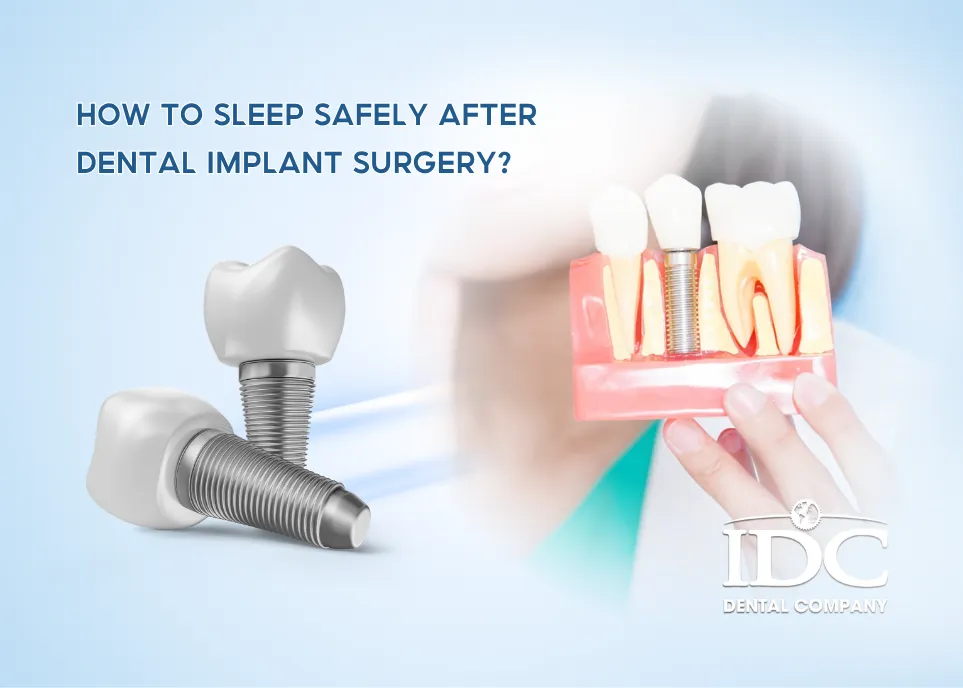
In this guide, you’ll learn how to sleep safely after a dental implant, the best sleeping positions, what to avoid before bed, and practical tips to reduce swelling, protect your implant, and support a faster recovery
Why sleeping position matters after dental implant surgery
Although dental implant surgery is a routine procedure, your body immediately begins repairing the surgical area once the implant has been placed. During the first several days, your gum tissue starts healing, inflammation develops as part of the body’s natural response, and the implant begins the early stage of osseointegration—the process in which the implant gradually bonds with the jawbone.
Because this healing process is delicate, even something as simple as your sleeping position can influence your recovery.
How dental implant surgery affects your mouth
Immediately after surgery, your dentist places the titanium implant into the jawbone beneath the gum tissue.
Your body then begins several important healing stages simultaneously.
Blood clot formation
One of the first steps is the formation of a protective blood clot over the surgical site. This clot serves as a natural barrier that protects the underlying bone and tissue while healing begins.
Disturbing or dislodging this clot may increase bleeding, delay healing, and raise the risk of complications.
Swelling and inflammation
Swelling is a normal part of healing after dental implant surgery. Most patients notice swelling within a few hours after the procedure, with the greatest swelling typically occurring 48 to 72 hours later.
The amount of swelling depends on factors such as:
- Number of implants placed
- Bone grafting procedures
- Sinus lift surgery
- Individual healing response
Sleeping correctly helps minimize fluid buildup and reduces facial swelling.
Early bone healing
Although you cannot feel it, your jawbone immediately begins adapting around the implant surface.
During the coming weeks and months, new bone cells gradually attach to the implant in a biological process called osseointegration.
Protecting the implant during this early phase is essential for long-term success.
What can happen if you sleep incorrectly?
Many patients underestimate how much sleeping position can affect recovery. While accidentally changing positions once is usually not a major problem, consistently sleeping improperly during the first few nights may increase discomfort.
Increased Swelling
Lying completely flat allows more blood and fluid to accumulate around your face and surgical area. This often leads to increased swelling the following morning.
Keeping your head elevated encourages better drainage and helps reduce inflammation.
More Bleeding
Gravity also affects post-operative bleeding.
Sleeping flat may allow blood to pool near the surgical site, increasing minor bleeding during the night. Although slight oozing is common, reducing pressure around the implant helps control bleeding more effectively.
Pressure on the Implant Area
Sleeping directly on the side where the implant was placed can create continuous pressure on the healing tissues.
Depending on the location of the implant, this pressure may:
- Increase soreness
- Irritate stitches
- Cause additional swelling
- Make sleeping less comfortable
While the implant itself is securely placed inside the jawbone, the surrounding soft tissues are still vulnerable during the first few days.
Delayed Healing
Poor sleep quality itself may also slow recovery.
Deep sleep allows your body to release growth hormones that support tissue repair, strengthen the immune system, and reduce inflammation.
Comfortable sleeping habits not only protect the surgical site but also improve your overall healing response.
Best sleeping positions after dental implant surgery
Choosing the correct sleeping position is one of the easiest ways to make recovery smoother.
During the first few nights, your goal is to reduce swelling, prevent pressure on the implant, and avoid disturbing the surgical area.
Most implant dentists recommend sleeping on your back with your head elevated.
Sleep on your back with your head elevated (Recommended)
Sleeping on your back is considered the safest position after dental implant surgery.
This position evenly distributes pressure across your body and keeps unnecessary force away from the implant site.
More importantly, elevating your head above your heart helps reduce swelling by allowing excess fluid to drain more efficiently.
Benefits include:
- Less facial swelling
- Reduced bleeding
- Better blood circulation
- Lower pressure on stitches
- More comfortable breathing
- Better overall recovery
Although some patients naturally prefer sleeping on their side, trying to stay on your back for the first two to three nights is strongly recommended.
Use Two or Three Pillows
You don’t need any special equipment to sleep safely after implant surgery.
Simply place two or three pillows beneath your head and shoulders to create a gentle incline of approximately 30 to 45 degrees.
This slight elevation is enough to reduce swelling without causing neck discomfort.
Some patients prefer using:
- A wedge pillow
- An adjustable bed
- A recliner chair
These options help maintain a consistent position throughout the night and prevent rolling over while asleep.
Sleep in a Recliner During the First Two Nights
If you’ve had multiple implants, full-mouth implant surgery, bone grafting, or significant swelling, sleeping in a recliner may be even more comfortable than lying in bed.
A recliner naturally keeps your upper body elevated while minimizing pressure on your face.
Many oral surgeons recommend this option for patients undergoing extensive procedures because it helps:
- Control swelling
- Improve comfort
- Reduce nighttime bleeding
- Prevent accidental turning during sleep
Most patients only need to sleep in a recliner for the first one or two nights before returning to their bed with elevated pillows.
Keep Your Head Stable While Sleeping
In addition to elevation, it’s helpful to keep your head from moving excessively during sleep.
Using supportive pillows on each side of your head or placing a body pillow beside you can reduce tossing and turning.
If you’re concerned about rolling onto the implant side during the night, these simple supports can help you remain in a safe position without sacrificing comfort.
By maintaining a stable sleeping posture during the first few nights, you give your gums and underlying bone the best possible environment to heal naturally.
Sleeping Positions to Avoid After Dental Implant Surgery
While knowing the best way to sleep is important, understanding which sleeping positions to avoid can help protect your dental implant and prevent unnecessary discomfort. During the first few days after surgery, your gums and surrounding tissues are still healing, making them more vulnerable to pressure and irritation.
Avoid Sleeping Flat on Your Back
Lying completely flat can increase blood flow to your head, leading to more swelling and slight bleeding around the surgical site. Swelling typically peaks within 48 to 72 hours after dental implant surgery, so keeping your head elevated is recommended during this period.
Using two or three pillows or a wedge pillow can help reduce fluid buildup and make your recovery more comfortable.
Avoid Sleeping on the Implant Side
If your implant was placed on one side of your mouth, avoid sleeping directly on that side for at least the first few nights.
Pressure from your pillow can irritate the surgical area, increase soreness, and place unnecessary stress on the healing gum tissue. Although the implant itself is securely positioned in the jawbone, the surrounding tissues need time to recover.
If you naturally sleep on your side, try sleeping on the opposite side until your dentist advises it is safe to return to your normal sleeping position.
Avoid Sleeping on Your Stomach
Sleeping on your stomach is generally the least recommended position after dental implant surgery.
This position often causes your face to press against the pillow, creating constant pressure on your cheeks and jaw. It may also encourage you to turn your head in ways that increase discomfort around the implant site.
Whenever possible, choose to sleep on your back with your head elevated during the first several nights.
Tips for Sleeping Comfortably After Dental Implant Surgery
Getting quality sleep helps your body repair tissues, reduce inflammation, and support the healing process. These simple tips can make your nights more comfortable while protecting your new implant.
Take Prescribed Medication Before Bed
If your dentist has prescribed pain medication or recommended over-the-counter pain relievers, take them exactly as directed before going to sleep.
Keeping discomfort under control before bedtime can help you fall asleep more easily and reduce the chances of waking up during the night.
Never exceed the recommended dosage, and avoid taking medications that your dentist has not approved.
Apply an Ice Pack Before Sleeping
During the first 24 hours, applying an ice pack to the outside of your face can help minimize swelling.
Apply the ice pack for 15–20 minutes, then remove it for at least 20 minutes before repeating the cycle.
Avoid falling asleep with an ice pack on your face, as prolonged exposure may damage your skin.
Eat a Light, Soft Meal Before Bed
If you’re hungry before bedtime, choose foods that require very little chewing.
Good options include:
- Yogurt
- Mashed potatoes
- Smooth soups
- Applesauce
- Scrambled eggs
- Smoothies (without using a straw)
Avoid hard, crunchy, spicy, or very hot foods that may irritate the surgical area.
Stay Hydrated
Drinking enough water helps your body recover and prevents dry mouth during the night.
Sip water slowly throughout the evening, but avoid using a straw, as the suction may interfere with the healing blood clot during the first few days.
Create a Comfortable Sleeping Environment
A quiet, cool, and dark bedroom can improve sleep quality and help your body heal more efficiently.
Some patients also find it helpful to:
- Use extra pillows for support.
- Sleep with a body pillow to reduce rolling over.
- Wear loose, comfortable clothing.
- Follow a consistent bedtime routine.
What to Avoid Before Going to Sleep
Certain habits before bedtime can interfere with healing and increase the risk of complications after dental implant surgery.
Smoking
Smoking significantly reduces blood flow to the gums and slows the healing process. It also increases the risk of implant failure and infection.
Most dentists recommend avoiding smoking for at least one week, although quitting completely provides the best outcome for your oral health.
Alcohol
Alcohol can interfere with prescribed medications, increase bleeding, and delay tissue repair.
Avoid alcoholic beverages for at least 48 to 72 hours, or longer if recommended by your dentist.
Drinking Through a Straw
Using a straw creates suction inside your mouth that may disturb the blood clot protecting the surgical site.
Drink directly from a cup or bottle instead.
Hard or Crunchy Foods
Foods such as chips, nuts, popcorn, crusty bread, and hard candies can place unnecessary pressure on the implant area and should be avoided during the early stages of healing.
Vigorous Mouth Rinsing
Although keeping your mouth clean is important, avoid forcefully rinsing or spitting before bed during the first 24 hours.
After that, gently rinse with warm salt water if instructed by your dentist.
Managing swelling while sleeping
Swelling is a normal part of recovery and usually reaches its maximum around the second or third day after surgery.
Fortunately, proper sleeping habits can help reduce swelling naturally.
Keep Your Head Elevated
Maintaining a slight incline allows excess fluid to drain away from your face and reduces pressure around the implant site.
Continue sleeping with your head elevated for two to three nights, or longer if your dentist recommends it.
Continue Cold Therapy
During the first day after surgery, ice packs remain one of the most effective ways to control swelling.
After approximately 48 hours, your dentist may recommend switching to warm compresses if swelling persists.
Follow Your Dentist’s Instructions
Every patient’s recovery is different. Factors such as bone grafting, sinus lift surgery, or multiple implants may require additional precautions.
Always follow your dentist’s personalized post-operative instructions rather than relying solely on general advice.
Managing minor bleeding during the night
A small amount of blood mixed with saliva is common during the first night after dental implant surgery and is usually not a cause for concern.
If mild bleeding occurs:
- Bite gently on clean gauze for about 30–60 minutes.
- Keep your head elevated.
- Avoid excessive spitting or rinsing.
- Stay calm, as anxiety may increase blood pressure and prolong bleeding.
However, if you experience heavy bleeding that does not slow down after applying pressure, or if bleeding continues beyond the first day, contact your dentist immediately for further evaluation.
Recovery Timeline: When Can You Sleep Normally Again?
One of the most common questions patients ask after dental implant surgery is, “When can I go back to sleeping normally?” The answer depends on the complexity of your procedure and how quickly your body heals. While most people can gradually resume their usual sleeping position within a week, following your dentist’s instructions is essential for a smooth recovery.
First 24 Hours
The first day is the most critical stage of healing.
During this time, the blood clot is forming, and the surgical site is highly sensitive. To reduce swelling and bleeding:
- Sleep on your back.
- Keep your head elevated at a 30–45° angle.
- Avoid sleeping on the implant side.
- Apply ice packs as recommended.
- Take prescribed medications before bedtime.
Days 2–3
Swelling often reaches its peak during the second and third days.
Continue sleeping with your head elevated and avoid putting pressure on the implant area. If your discomfort is improving and swelling begins to decrease, you’re on the right track.
Days 4–7
Most patients begin feeling significantly better during the first week.
If swelling and pain have largely resolved, you may slowly return to your preferred sleeping position, provided it doesn’t cause discomfort. However, if your implant site still feels tender, continue avoiding pressure on that side.
After One Week
For uncomplicated dental implant procedures, many patients can resume normal sleeping habits after seven days.
If you’ve had a more complex treatment, such as multiple implants or bone grafting, your dentist may recommend maintaining extra precautions for a longer period.
Sleeping Recommendations for Different Implant Procedures
Recovery varies depending on the type of dental implant treatment you receive.
After a Single Dental Implant
A single implant usually involves less surgical trauma, making recovery relatively straightforward.
Most patients only need to:
- Sleep with their head elevated for two to three nights.
- Avoid sleeping on the implant side for about one week.
- Resume normal sleeping once tenderness has resolved.
After Multiple Dental Implants
Receiving several implants during one appointment often causes more swelling and soreness.
Patients should:
- Keep their head elevated for at least three nights.
- Consider sleeping in a recliner if lying flat is uncomfortable.
- Follow pain management instructions carefully.
Recovery may take slightly longer than with a single implant.
After Full-Arch Dental Implants (All-on-4 or All-on-6)
Full-mouth implant procedures involve more extensive surgery.
Patients are usually advised to:
- Sleep with their upper body elevated for several nights.
- Avoid pressure on either side of the face.
- Carefully follow dietary and medication instructions.
- Attend all scheduled follow-up visits.
Because healing is more extensive, additional care during sleep is especially important.
After Bone Grafting
Bone grafting adds another healing site in addition to the implant.
To protect both areas:
- Sleep elevated for several days.
- Avoid pressure on the grafted side.
- Refrain from strenuous activity during the early recovery period.
Bone grafts require additional healing time before complete bone regeneration occurs.
After Sinus Lift Surgery
Patients who undergo a sinus lift should be particularly careful during sleep.
Besides keeping the head elevated, they should also avoid activities that increase sinus pressure, including:
- Blowing the nose forcefully.
- Sneezing with the mouth closed.
- Heavy lifting.
- Bending forward excessively.
These precautions help protect the graft material and support successful healing.
Can Poor Sleep Affect Dental Implant Healing?
Sleep is one of the body’s most powerful healing tools. During deep sleep, important biological processes occur that directly support recovery after surgery.
Tissue Repair
While you sleep, your body produces growth hormones that help repair damaged gum tissue and promote wound healing.
Getting enough rest allows your surgical site to recover more efficiently.
Stronger Immune Function
Quality sleep supports your immune system, helping your body fight bacteria and reduce the risk of infection around the implant.
Poor sleep may weaken your natural defenses and slow the healing process.
Reduced Inflammation
Healthy sleep helps regulate inflammation throughout the body.
Patients who sleep well often experience less swelling, improved comfort, and a smoother recovery compared to those who experience frequent sleep interruptions.
Better Osseointegration
Although osseointegration takes several months to complete, maintaining healthy recovery habits—including getting enough sleep—creates the best conditions for long-term implant success.
Warning Signs That Require Immediate Dental Attention
Some discomfort is expected after dental implant surgery. However, certain symptoms may indicate a complication and should not be ignored.
Contact your dentist promptly if you notice any of the following.
Persistent or Heavy Bleeding
A small amount of bleeding during the first day is normal.
However, seek professional care if:
- Bleeding continues despite applying pressure with gauze.
- Bleeding becomes heavy.
- Large blood clots continue to form.
Severe Pain That Gets Worse
Pain should gradually improve over several days.
If your pain becomes more intense instead of better, it may indicate an infection or another complication.
Increasing Swelling After Three Days
Swelling usually peaks within 48–72 hours before gradually improving.
If swelling continues to increase after the third day or spreads significantly, contact your dentist for evaluation.
Fever or Chills
A fever may be a sign of infection.
If you develop a high temperature, chills, or generally feel unwell, seek dental care as soon as possible.
Pus or Unpleasant Taste
Drainage of pus, persistent bad breath, or a foul taste around the implant site can indicate an infection that requires treatment.
A Loose Implant
Your dental implant should remain stable throughout healing.
If it feels loose or moves when touched, contact your dentist immediately. Do not attempt to test the implant repeatedly with your tongue or fingers.
Tips for a Faster Recovery
In addition to sleeping safely, these simple habits can improve your overall recovery after dental implant surgery:
- Follow all post-operative instructions provided by your dentist.
- Take medications exactly as prescribed.
- Maintain good oral hygiene without disturbing the surgical site.
- Eat a nutritious soft-food diet during the first several days.
- Stay hydrated throughout the day.
- Avoid smoking and alcohol during the healing period.
- Get plenty of quality sleep every night.
- Attend all follow-up appointments to monitor healing.
By giving your body the care it needs during the first week, you can reduce the risk of complications and improve the long-term success of your dental implant.



 WhatsApp