
Can braces cause bone loss? This is a common concern for many people considering orthodontic treatment. While braces safely move teeth through a natural process called bone remodeling, certain factors such as poor oral hygiene, untreated gum disease, or excessive orthodontic force may increase the risk of abnormal bone loss.
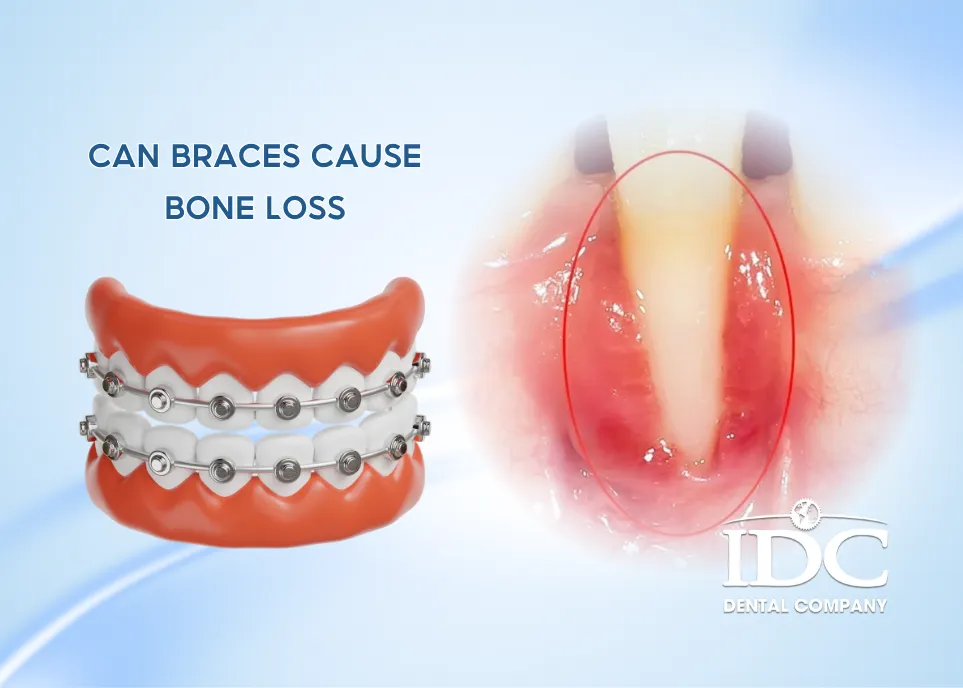
So, can braces really cause bone loss? This article explains the causes, warning signs, treatment options, and practical tips to help protect your teeth and supporting bone throughout orthodontic treatment.
Understanding Bone Remodeling During Braces
To understand whether braces can cause bone loss, it is important to first understand how braces move teeth.
Braces work by applying gentle and controlled pressure to the teeth over time. This pressure affects the periodontal ligament, which is the tissue that connects the tooth root to the surrounding bone.
When pressure is applied, bone on one side of the tooth is gradually broken down, while new bone forms on the other side.
This process is called bone remodeling.
Bone remodeling is normal and necessary for orthodontic treatment. Without it, teeth would not be able to move. When orthodontic forces are light, controlled, and monitored, this process is safe and predictable.
However, there is a difference between normal bone remodeling and harmful bone loss.
Normal bone remodeling happens slowly and in a balanced way. The supporting bone adapts as the teeth move. Harmful bone loss, on the other hand, involves progressive loss of the bone that holds the teeth in place. This can weaken tooth support, increase mobility, cause gum recession, and may even lead to tooth loss if not treated.
Can Braces Cause Bone Loss?
The short answer is: braces themselves do not usually cause bone loss when orthodontic treatment is done correctly.
However, braces can increase the risk of bone loss in patients who already have certain risk factors. For example, if a patient has active gum disease before starting braces, moving the teeth may worsen the condition.
If a patient does not clean around brackets and wires properly, plaque can build up and cause gum inflammation. Over time, untreated gum disease can damage the supporting bone.
In some cases, bone loss may also occur if teeth are moved too quickly or pushed beyond the natural limits of the jawbone. This is why proper diagnosis, X-rays, periodontal evaluation, and regular monitoring are essential before and during orthodontic treatment.
Braces are generally safe, but they must be planned carefully, especially for adults or patients with a history of periodontal disease.
Common Causes of Bone Loss During Braces
1. Poor Oral Hygiene
Poor oral hygiene is one of the most common causes of gum problems and bone loss during braces.
Brackets, wires, bands, and other orthodontic appliances can trap food particles and plaque. If plaque is not removed properly, bacteria can irritate the gums and cause gingivitis. Early gum inflammation may cause redness, swelling, bleeding, and bad breath.
If gingivitis is ignored, it can progress into periodontal disease. Periodontal disease can destroy the tissues and bone that support the teeth. This is when bone loss becomes a serious concern.
Patients wearing braces need to clean their teeth more carefully than usual. Brushing alone may not be enough. Interdental brushes, floss threaders, and water flossers can help clean areas that are difficult to reach.
2. Pre-Existing Gum Disease
Patients who already have gum disease before braces are at higher risk of bone loss.
Periodontal disease weakens the structures that hold the teeth in place. If orthodontic treatment begins while gum disease is still active, tooth movement may worsen inflammation and accelerate bone loss.
This is why dentists often recommend a full periodontal evaluation before orthodontic treatment, especially for adult patients. Gum disease should be treated and stabilized before braces are placed.
In some cases, orthodontic treatment is still possible for patients with previous bone loss, but the treatment must be carefully controlled and monitored by both an orthodontist and a periodontist.
3. Excessive Orthodontic Force
Orthodontic treatment should use gentle, controlled forces. When the force is too strong, teeth may move too quickly or create too much stress on the periodontal ligament and surrounding bone.
Excessive force can increase the risk of complications such as root resorption, gum recession, tooth mobility, and bone damage. This does not mean braces are dangerous, but it does show why professional planning is important.
Patients should never try to adjust their braces by themselves or use unsafe methods to speed up tooth movement. Orthodontic treatment takes time because the bone needs time to remodel safely.
4. Moving Teeth Beyond the Bone Boundary
Every tooth sits within the alveolar bone, which is the bone that supports the teeth. Orthodontic movement should keep the teeth within this natural bone housing.
If teeth are moved too far forward, outward, or beyond the limits of the jawbone, the surrounding bone may become too thin. This can lead to gum recession, exposed roots, and bone defects.
This risk is especially important in patients with thin gum tissue, thin bone, severe crowding, or complex bite problems. A proper orthodontic diagnosis helps determine how far teeth can be moved safely.
5. Thin Gum Tissue or Thin Alveolar Bone
Some people naturally have thin gums or thin bone around their teeth. These patients may be more likely to experience gum recession or bone loss during orthodontic treatment.
Thin tissue does not always mean braces cannot be done. However, treatment must be planned more carefully. The orthodontist may use slower movement, lighter forces, or coordinate with a periodontist if gum grafting or other supportive treatment is needed.
6. Smoking
Smoking is a major risk factor for periodontal disease and bone loss.
Nicotine and other chemicals in tobacco reduce blood flow to the gums, weaken the immune response, and slow healing. Smokers may also have fewer obvious signs of gum inflammation, such as bleeding, even when the disease is progressing.
For patients wearing braces, smoking can make gum problems worse and reduce the body’s ability to recover. Quitting smoking can significantly improve gum health and orthodontic outcomes.
7. Uncontrolled Diabetes or Health Conditions
Diabetes, especially when poorly controlled, can increase the risk of gum infection and bone loss. High blood sugar makes it harder for the body to fight bacteria and heal damaged tissues.
Other health conditions that affect the immune system may also increase the risk of periodontal problems during braces. Patients should always inform their dentist and orthodontist about medical conditions, medications, and previous dental history before starting treatment.
8. Missed Dental Cleanings and Orthodontic Visits
Regular visits are essential during orthodontic treatment.
Orthodontic appointments allow the dentist or orthodontist to monitor tooth movement, adjust forces, and detect problems early. Professional dental cleanings help remove plaque and tartar that cannot be removed at home.
Skipping visits may allow gum inflammation, plaque buildup, or improper tooth movement to progress unnoticed. This can increase the risk of bone loss and other complications.
9. Teeth Grinding or Poor Bite Forces
Teeth grinding, also known as bruxism, can place excessive pressure on the teeth and supporting bone. If a patient already has gum disease or bone loss, grinding can make tooth mobility worse.
Poor bite forces may also overload certain teeth. During orthodontic treatment, the bite is changing, so careful monitoring is important to make sure pressure is distributed properly.
10. Age and Previous Dental History
Adults can wear braces successfully, but they may have a higher risk of bone loss if they have a history of gum disease, tooth loss, trauma, or previous periodontal treatment.
Unlike teenagers, adults may have less bone adaptability and more existing dental problems. This does not mean adults should avoid braces. It simply means diagnosis and monitoring are especially important.
Signs of Bone Loss During Orthodontic Treatment
Bone loss is not always easy to notice in the early stages. However, there are warning signs that should not be ignored.
Early signs may include bleeding gums, swollen gums, redness, bad breath, gum tenderness, and plaque buildup around brackets.
More advanced signs may include gum recession, teeth appearing longer, loose teeth, new gaps between teeth, pain when chewing, pus around the gums, or worsening tooth mobility.
If you notice any of these symptoms during braces, you should contact your dentist or orthodontist as soon as possible. Early treatment can help prevent further damage.
Is Bone Loss During Braces Reversible?
This depends on the cause and severity.
If the problem is early gum inflammation, it may be reversible with better oral hygiene and professional cleaning. Gingivitis can often improve when plaque and tartar are removed.
However, true bone loss is more serious. Once supporting bone is lost, it may not fully grow back naturally. In some cases, periodontal treatment, bone grafting, or gum grafting may help repair certain defects, but results depend on the condition of the teeth, gums, and bone.
The main goal is to stop the disease from progressing, control infection, stabilize the teeth, and preserve as much healthy bone as possible.
What Should You Do If You Notice Bone Loss During Braces?
If you suspect bone loss during braces, do not ignore the symptoms.
The first step is to visit your orthodontist. They can check whether the tooth movement is progressing properly and whether the orthodontic force needs to be adjusted. In some cases, they may reduce the force, slow down treatment, or temporarily pause active movement.
You may also need to see a periodontist, a dentist who specializes in gum and bone health. A periodontal evaluation may include gum pocket measurements, dental X-rays, bone level assessment, and plaque or tartar evaluation.
If gum disease is present, periodontal treatment should be done as soon as possible. Once the gums and bone are stable, orthodontic treatment may continue with a safer plan.
Treatment Options for Bone Loss During Braces
Treatment depends on the severity of the condition.
For mild inflammation, professional cleaning and improved oral hygiene may be enough. Your dental team may teach you how to clean around brackets more effectively using special brushes, floss threaders, or a water flosser.
For deeper gum problems, scaling and root planing may be needed. This is a deep cleaning procedure that removes plaque and tartar below the gumline and smooths the root surfaces to help the gums heal.
Patients with a higher risk of periodontal disease may need periodontal maintenance every three to four months instead of regular six-month cleanings.
In some cases, antibiotics may be used to control bacterial infection. However, antibiotics are usually not a replacement for professional cleaning and periodontal treatment.
For severe bone defects, bone grafting may be considered. This procedure helps rebuild lost supporting bone in selected cases. If gum recession is significant, gum grafting may be recommended to cover exposed roots and improve tissue stability.
Orthodontic treatment may also need to be modified. This may include lighter forces, slower tooth movement, different mechanics, or a temporary pause in treatment until the gums are healthier.
How to Prevent Bone Loss While Wearing Braces
The best way to prevent bone loss during braces is to maintain excellent oral hygiene and follow your dentist’s instructions.
Brush your teeth carefully after meals, especially around brackets and wires. Use a soft-bristled toothbrush or an orthodontic toothbrush. Interdental brushes can help clean between brackets. Floss threaders or water flossers can make cleaning between teeth easier.
Regular dental cleanings are also important. Most patients should have a cleaning every six months, but patients with gum disease risk may need cleanings every three to four months.
Before starting braces, gum disease should be treated and controlled. This is especially important for adults. Starting orthodontic treatment with unhealthy gums can increase the risk of bone loss.
Patients should also avoid smoking, control diabetes, eat a balanced diet, and attend all orthodontic appointments.
A healthy diet supports gum and bone health. Nutrients such as vitamin C, vitamin D, calcium, and protein are important for healing and tissue repair.
Who Is at Higher Risk of Bone Loss During Braces?
Some patients have a higher risk than others.
Adults with a history of gum disease need careful evaluation before braces. Smokers are also at higher risk because smoking affects gum health and healing. Patients with uncontrolled diabetes, thin gums, thin bone, poor oral hygiene, bruxism, or complex orthodontic problems may also need closer monitoring.
Patients who skip dental visits or do not clean their teeth properly during braces are more likely to develop plaque buildup, gum disease, and bone loss.
Knowing your risk factors helps your dental team create a safer treatment plan.
Can You Still Wear Braces If You Have Bone Loss?
In many cases, yes, but it depends on the severity.
Patients with mild to moderate bone loss may still be able to have orthodontic treatment if their gum condition is stable. However, active periodontal disease must be treated first.
Severe bone loss requires careful planning. Some teeth may not be suitable for movement if they do not have enough support. In these cases, a multidisciplinary approach may be needed. This can involve an orthodontist, periodontist, general dentist, or prosthodontist.
The goal is not only to straighten the teeth but also to protect long-term oral health.
Braces vs. Clear Aligners: Which Is Safer for Bone Health?
Both braces and clear aligners can be safe when properly planned.
The risk of bone loss is not mainly about whether you choose braces or aligners. It depends more on your gum health, oral hygiene, bone condition, orthodontic force, and treatment monitoring.
Clear aligners may make oral hygiene easier because they are removable. Patients can brush and floss normally after removing the aligners. However, aligners still move teeth through bone remodeling and must be planned carefully.
Braces may be better for certain complex cases because they allow precise control of tooth movement. Your orthodontist can recommend the best option based on your condition.
When to See a Dentist Immediately
You should see a dentist or orthodontist immediately if you notice loose teeth, gum recession, persistent bleeding, pus around the gums, severe bad breath, pain when chewing, or teeth shifting unexpectedly.
These signs may indicate gum disease, bone loss, or other complications that need professional attention.
Early treatment can make a big difference. The sooner the problem is identified, the easier it is to control and prevent further damage.
Conclusion
So, can braces cause bone loss? In most cases, braces do not cause harmful bone loss when treatment is properly planned and monitored. Bone remodeling is a normal and necessary part of orthodontic tooth movement.
However, abnormal bone loss can occur when there are risk factors such as poor oral hygiene, untreated gum disease, excessive orthodontic force, smoking, uncontrolled diabetes, thin bone, or missed dental visits.
The key to safe orthodontic treatment is prevention, early detection, and regular monitoring. Before starting braces, patients should have healthy gums and a complete dental evaluation. During treatment, they should maintain excellent oral hygiene, attend all scheduled appointments, and report any unusual symptoms early.
With proper care and professional guidance, most patients can complete braces safely, improve their smile, and maintain strong long-term oral health.


 WhatsApp