
Temporary Dental Fillings are used to protect a tooth after procedures such as root canal treatment, deep cavity removal, or while waiting for a permanent restoration. Although they are designed for short-term use, they play an important role in sealing the tooth and preventing bacteria from entering the treated area.
A common question patients ask is: How long do temporary dental fillings last? The answer depends on factors such as the filling material, tooth location, oral habits, and daily care.
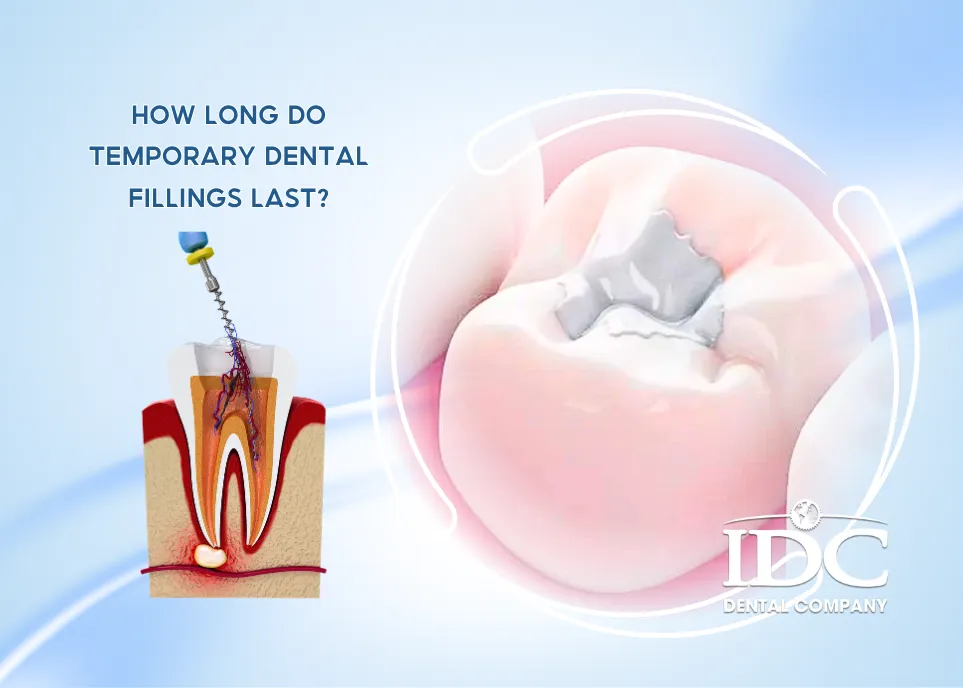
In this article, we’ll explore their typical lifespan, what affects their durability, and how to keep them intact until your permanent restoration is placed.
What Is a Temporary Dental Filling?
A temporary dental filling is a short-term restoration used to seal and protect a tooth between dental visits.
Dentists commonly place temporary fillings in situations such as:
- After root canal treatment
- Between stages of complex dental procedures
- Following emergency treatment for tooth pain
- Before placement of a permanent crown
- After removing deep decay
Unlike permanent fillings, temporary fillings are made from softer materials that are easier to remove when the next stage of treatment begins.
Their main purpose is to:
- Protect the tooth from bacteria
- Reduce sensitivity
- Prevent food from entering the treated area
- Maintain the tooth’s function until permanent treatment is completed
Although they are effective for temporary use, they are not intended to last indefinitely.
How Long Do Temporary Dental Fillings Last?
In general, most temporary dental fillings last between a few weeks and several months.
The exact lifespan depends on several factors, including the type of treatment being performed and the material used.
Temporary Fillings After Root Canal Treatment
After a root canal procedure, dentists often place a temporary filling to seal the tooth until a permanent restoration is completed.
In most cases, these fillings are intended to last:
- One to four weeks
- Until the permanent crown is placed
- Until the next treatment appointment
Because root canal-treated teeth are more vulnerable to fracture, it is important not to delay permanent restoration.
Temporary Fillings Before a Dental Crown
When preparing a tooth for a crown, dentists may place a temporary filling or a temporary crown.
These restorations generally last:
- Two to six weeks
- Until the laboratory-fabricated crown is ready
Patients should avoid chewing hard foods during this period to prevent damage.
Emergency Temporary Fillings
Emergency fillings are often used to relieve pain or protect a damaged tooth until comprehensive treatment can be performed.
These restorations may last:
- Several days
- A few weeks
- Until a follow-up appointment
They should not be considered a long-term solution.
Factors That Affect How Long a Temporary Dental Filling Lasts
Not all temporary fillings last the same amount of time.
Several factors influence their longevity.
Type of Filling Material Used
The material chosen by the dentist significantly impacts durability.
Common temporary filling materials include:
Zinc Oxide Eugenol
This material is commonly used after root canal treatment.
Benefits include:
- Easy placement
- Good sealing properties
- Soothing effect on sensitive teeth
However, it is not as durable as permanent filling materials.
Glass Ionomer Cement
Glass ionomer fillings provide:
- Better strength
- Fluoride release
- Improved durability
These fillings may last longer than traditional temporary materials.
Location of the Filling
The location of the treated tooth also affects how long a temporary filling lasts.
Front Teeth
Front teeth experience less chewing pressure.
Temporary fillings in these teeth often last longer.
Back Teeth
Molars and premolars absorb significant chewing forces every day.
As a result, temporary fillings in back teeth are more likely to wear down or become dislodged.
Oral Habits
Certain habits place excessive stress on temporary restorations.
Teeth Grinding (Bruxism)
Grinding can gradually weaken or crack the filling.
Clenching
Excessive clenching creates constant pressure on the restoration.
Nail Biting
Biting hard objects can damage temporary materials.
Chewing Ice
Ice is particularly harmful because of both its hardness and temperature.
Eating Habits
Diet plays a major role in determining longevity.
Hard foods, sticky candies, and crunchy snacks can loosen or break the filling.
Patients who follow dietary recommendations are more likely to keep their temporary restoration intact until permanent treatment.
Oral Hygiene Practices
Good oral hygiene helps protect the filling and the surrounding tooth structure.
Proper brushing and flossing reduce bacterial buildup and lower the risk of complications.
Signs Your Temporary Dental Fillings May Need Replacement
Even with proper care, temporary fillings can sometimes fail.
Recognizing the warning signs can help prevent more serious problems.
The Filling Feels Loose
A filling that moves when touched with your tongue may no longer be properly attached.
Increased Sensitivity
Sudden sensitivity to hot, cold, or sweet foods can indicate that the filling seal has been compromised.
Pain When Chewing
Pain during chewing may suggest:
- Filling damage
- Tooth fracture
- Leakage around the restoration
Visible Cracks
A cracked filling should be evaluated promptly by a dentist.
Missing Filling Material
If part of the filling appears missing, bacteria can enter the tooth and cause further problems.
Rough Edges
Sharp or rough surfaces may indicate wear or breakage.
What Happens If a Temporary Dental Filling Falls Out?
Losing a temporary filling can be concerning, but it is a relatively common situation.
The important thing is to act quickly.
Risk of Bacterial Contamination
Without the protective filling, bacteria can enter the treated tooth.
This is especially concerning after root canal treatment because contamination may compromise treatment success.
Increased Sensitivity
An exposed tooth may become highly sensitive to:
- Hot foods
- Cold drinks
- Air exposure
- Chewing pressure
Higher Risk of Tooth Damage
The tooth underneath may be structurally weakened.
Without protection, fractures become more likely.
What Should You Do If the Filling Falls Out?
Keep the Area Clean
Brush gently and rinse with warm salt water.
Avoid Chewing on That Side
Protect the tooth from additional stress.
Contact Your Dentist Immediately
Prompt replacement helps prevent complications and maintains treatment progress.
How to Make a Temporary Dental Filling Last Longer
Proper care can significantly extend the lifespan of a temporary restoration.
Avoid Hard Foods
Foods to avoid include:
- Nuts
- Ice
- Hard candies
- Popcorn kernels
These foods can crack or dislodge the filling.
Avoid Sticky Foods
Stay away from:
- Chewing gum
- Caramel
- Toffee
- Sticky candies
Sticky foods can pull the filling out of the tooth.
Chew on the Opposite Side
Using the opposite side of your mouth reduces stress on the restoration.
Practice Good Oral Hygiene
Brush twice daily using a soft-bristle toothbrush.
Floss carefully around the filling to avoid accidentally dislodging it.
Wear a Night Guard
Patients who grind their teeth at night may benefit from a custom night guard.
This protects both the temporary filling and natural teeth.
Follow Your Dentist’s Instructions
Every dental situation is unique.
Following your dentist’s recommendations is the best way to ensure successful treatment.
Can a Temporary Dental Filling Become Permanent?
Many patients wonder whether a temporary filling can simply be left in place indefinitely.
The answer is generally no.
Temporary Fillings Are Not Designed for Long-Term Use
Temporary materials are softer and less durable than permanent restorations.
Over time, they can:
- Wear down
- Crack
- Leak
- Lose their seal
Risks of Delaying Permanent Treatment
Postponing permanent restoration may result in:
- Tooth fracture
- Recurrent decay
- Root canal failure
- Additional treatment costs
- Possible tooth loss
For these reasons, dentists strongly recommend replacing temporary fillings according to the treatment plan.
Temporary Dental Filling vs Permanent Filling
Understanding the difference between temporary and permanent restorations can help patients appreciate the importance of follow-up care.
Strength
Permanent fillings are significantly stronger than temporary materials.
Durability
Permanent restorations are designed to last for years, while temporary fillings are intended for short-term use.
Appearance
Permanent composite fillings can be color-matched to natural teeth.
Temporary fillings are typically less aesthetic.
Function
Permanent restorations restore full chewing function and long-term protection.
Temporary fillings provide only short-term support.
When Should You Contact Your Dentist?
You should schedule a dental visit immediately if you experience:
- Persistent pain
- A loose filling
- A missing filling
- Swelling around the tooth
- Fever or infection symptoms
- Difficulty chewing
Early intervention helps prevent complications and protects your oral health.
Frequently Asked Questions
Can a Temporary Dental Filling Last Several Months?
Yes. Some temporary fillings may last several months, although this depends on the material and how well the restoration is cared for.
Can I Eat Normally with a Temporary Filling?
You can eat most foods, but it is best to avoid hard, sticky, and crunchy items that may damage the filling.
Can I Brush and Floss Around a Temporary Filling?
Yes. Good oral hygiene is important, but floss gently to avoid pulling the filling loose.
Is It Safe to Delay My Next Appointment?
Delaying treatment increases the risk of filling failure and tooth complications.
What If My Temporary Filling Falls Out While Traveling?
Contact a dentist as soon as possible and avoid chewing on the affected tooth until professional care is available.



 WhatsApp