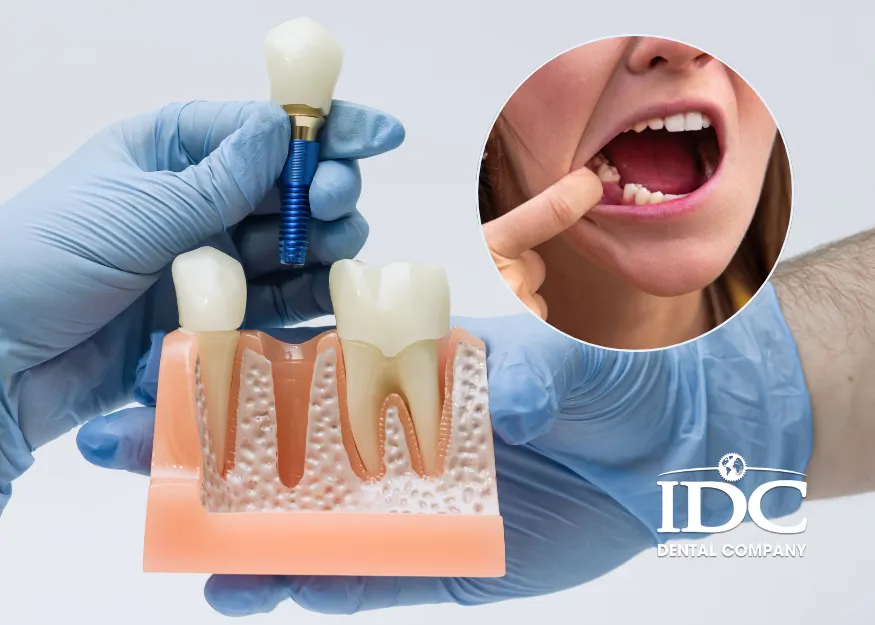
The cost to replace a missing tooth is one of the most common questions people ask after losing a tooth. Missing teeth can affect more than just appearance—they may make it harder to chew food, speak clearly, and maintain proper oral health. Over time, the surrounding teeth can also shift into the space, which may lead to bite problems and further dental complications.
Because of these concerns, many patients begin searching for effective treatment options to restore their smile and dental function.
However, the cost to replace a missing tooth can vary depending on factors such as the type of treatment, the materials used, and the dental clinic you choose. In this guide, we will explore the common tooth replacement options and compare their price ranges to help you find the most suitable solution.
Why Replacing a Missing Tooth Is Important
Some people think that losing one tooth is not a serious issue, especially if it is not visible when they smile. However, leaving a missing tooth untreated can lead to several long-term dental problems.
First, nearby teeth may begin to shift into the space. This movement can change your bite alignment and cause uneven pressure when chewing. Over time, it may even lead to jaw pain or additional dental damage.
Another concern is bone loss. The jawbone relies on stimulation from tooth roots to stay strong. When a tooth is lost, the bone in that area may gradually shrink, which can affect facial structure and make future treatments more complicated.
Replacing a missing tooth early helps maintain oral health, restore normal chewing function, and protect your smile.
What Are the Options to Replace a Missing Tooth?
Modern dentistry offers several solutions for replacing a missing tooth. Each option has its own advantages, limitations, and cost range.
Dental Implants
Dental implants are widely considered the most advanced and durable solution for replacing a missing tooth.
A dental implant is a small titanium post that is surgically placed into the jawbone. This post acts like a natural tooth root. Once the implant integrates with the bone, a dental crown is attached to restore the visible part of the tooth.
Dental implants offer several benefits:
- They look and feel like natural teeth
- They help preserve the jawbone
- They do not require support from neighboring teeth
- They can last many years with proper care
Because of these advantages, dental implants are often recommended as the long-term solution for missing teeth.
Dental Bridges
A dental bridge is another common method for replacing a missing tooth.
This treatment involves placing crowns on the teeth next to the gap. These crowns support an artificial tooth that fills the missing space.
Dental bridges are usually faster to complete than implants, and the procedure does not require surgery. However, bridges require reshaping the adjacent teeth to support the restoration.
Bridges may be suitable for patients who cannot undergo implant surgery or who prefer a quicker treatment option.
Removable Partial Dentures
Removable partial dentures are one of the most affordable options for replacing missing teeth.
A denture consists of an artificial tooth attached to a base that can be removed for cleaning. It is supported by nearby teeth or gums.
While dentures can restore basic function, they may feel less stable compared to implants or bridges. Some patients also find them less comfortable when speaking or eating.
Dentures are often recommended for patients who are missing multiple teeth or who need a lower-cost solution.
How Much Does It Cost to Replace a Missing Tooth?
The cost of replacing a missing tooth depends mainly on the treatment method you choose.
Dental Implant Cost
Dental implants are usually the most expensive option because they involve surgery, advanced materials, and multiple treatment steps.
Typical dental implant costs:
- United States: $3,000 – $6,000 per tooth
- Australia: $4,000 – $7,000 per tooth
- United Kingdom: $3,000 – $5,000 per tooth
In contrast, many patients choose dental tourism destinations where the cost is significantly lower.
For example, in Vietnam, the price of a dental implant often ranges between $700 and $1,500, depending on the implant brand and crown material.
Dental Bridge Cost
Dental bridges generally cost less than implants.
Typical bridge costs:
- United States: $2,000 – $5,000
- Australia: $2,500 – $4,500
- Vietnam: $300 – $1,000
The final price depends on the number of teeth involved and the material used for the crowns.
Partial Denture Cost
Partial dentures are usually the most affordable way to replace a missing tooth.
Typical price ranges:
- United States: $300 – $1,500
- Australia: $500 – $2,000
- Vietnam: $150 – $500
While dentures are less expensive initially, they may need adjustments or replacements over time.
Factors That Affect the Cost of Replacing a Missing Tooth
Several factors can influence the total cost of treatment.
Type of Treatment
The treatment option you choose plays the biggest role in determining cost.
Dental implants require surgery and advanced technology, making them more expensive than bridges or dentures.
Materials Used
Different materials can affect both the cost and durability of the restoration.
Common materials include:
- Titanium implants
- Zirconia crowns
- Ceramic restorations
Higher-quality materials may increase the price but often provide better strength and aesthetics.
Additional Dental Procedures
Some patients need additional procedures before replacing a missing tooth.
These may include:
- Bone grafting
- Sinus lift surgery
- Tooth extraction
These treatments help prepare the mouth for a successful implant but can increase the overall cost.
Clinic Location
Dental costs vary widely depending on where the clinic is located.
In countries such as the United States or Australia, treatment costs are often higher due to labor, insurance, and operating expenses.
Many international patients travel to countries like Vietnam, Thailand, or Mexico, where dental care is more affordable but still of high quality.
Why Dental Implants Often Cost More
Many patients wonder why dental implants cost more than bridges or dentures.
One reason is durability. Dental implants are designed to last many years and sometimes even decades with proper care.
Another advantage is bone preservation. Because implants replace the tooth root, they stimulate the jawbone and help prevent bone loss.
Implants also look and function very similarly to natural teeth, providing excellent comfort and stability.
Although the initial cost may be higher, implants often provide the best long-term value.
Is It Worth Replacing a Missing Tooth?
Replacing a missing tooth is not just about aesthetics.
When a tooth is left untreated, several problems may occur:
- Teeth shifting out of position
- Difficulty chewing food
- Increased risk of gum disease
- Bone loss in the jaw
By replacing the missing tooth early, patients can maintain proper bite alignment and avoid more complex dental issues later.
How to Choose the Best Tooth Replacement Option
Choosing the right solution depends on your oral health, lifestyle, and budget.
Consider Your Budget
If budget is a major concern, dentures or bridges may be more affordable options.
However, it is also important to consider long-term maintenance costs.
Think About Long-Term Benefits
Dental implants may have a higher initial price, but they often last longer and require fewer replacements over time.
For many patients, implants provide the most natural and reliable result.
Consult With a Dentist
A dental professional can evaluate your oral health and recommend the most suitable treatment.
X-rays and clinical examinations help determine whether implants, bridges, or dentures are the best choice.
What to Expect During the Tooth Replacement Process
The treatment process usually includes several steps.
Consultation and Examination
The dentist will evaluate your oral health, take X-rays, and discuss possible treatment options.
Treatment Planning
A personalized plan is created based on your dental condition and budget.
Procedure and Recovery
Depending on the treatment chosen, the procedure may take from a few days to several months.
Dental implants typically require a healing time for the implant to integrate with the jawbone.
Why Choose IDC Da Nang Dental for Tooth Replacement?
If you are looking for a reliable clinic to replace a missing tooth, IDC Da Nang Dental Office is one of the trusted dental clinics in Da Nang, Vietnam.
The clinic is equipped with modern dental technology and a professional team trained according to international standards, providing high-quality care for both local and international patients.
Located at 203 Tran Phu Street, Hai Chau District, Da Nang, the clinic offers a full range of dental services, including dental implants, crowns, veneers, orthodontics, and general dentistry.
At IDC Da Nang Dental, patients receive personalized treatment plans designed to restore both function and aesthetics. The clinic focuses on modern techniques, advanced equipment, and attentive patient care to ensure safe and effective results. With more than 15 years of experience and a commitment to high-quality service, the clinic aims to help patients regain healthy teeth and confident smiles.
Frequently Asked Questions
How long does it take to replace a missing tooth?
Treatment time depends on the method used. Bridges and dentures can often be completed within a few weeks, while dental implants may take several months.
Is replacing a missing tooth painful?
Most dental procedures are performed with local anesthesia, making them comfortable for patients.
What is the cheapest way to replace a missing tooth?
Partial dentures are usually the most affordable option.
Can a missing tooth cause other dental problems?
Yes. Missing teeth can lead to shifting teeth, bone loss, and bite issues if left untreated.



 WhatsApp