
How to treat tooth decay effectively is a common question for people experiencing tooth sensitivity, cavities, toothache, or visible damage. Tooth decay can develop gradually, and in its early stages, it may not cause noticeable symptoms. Without appropriate care, however, decay can continue to damage the enamel and dentin and eventually reach the dental pulp.
The good news is that modern dentistry offers several options for treating and restoring decayed teeth. Depending on the severity of the damage, treatment may include fluoride therapy and preventive care, dental fillings, inlays or onlays, root canal treatment, dental crowns, or tooth replacement when a tooth cannot be saved.
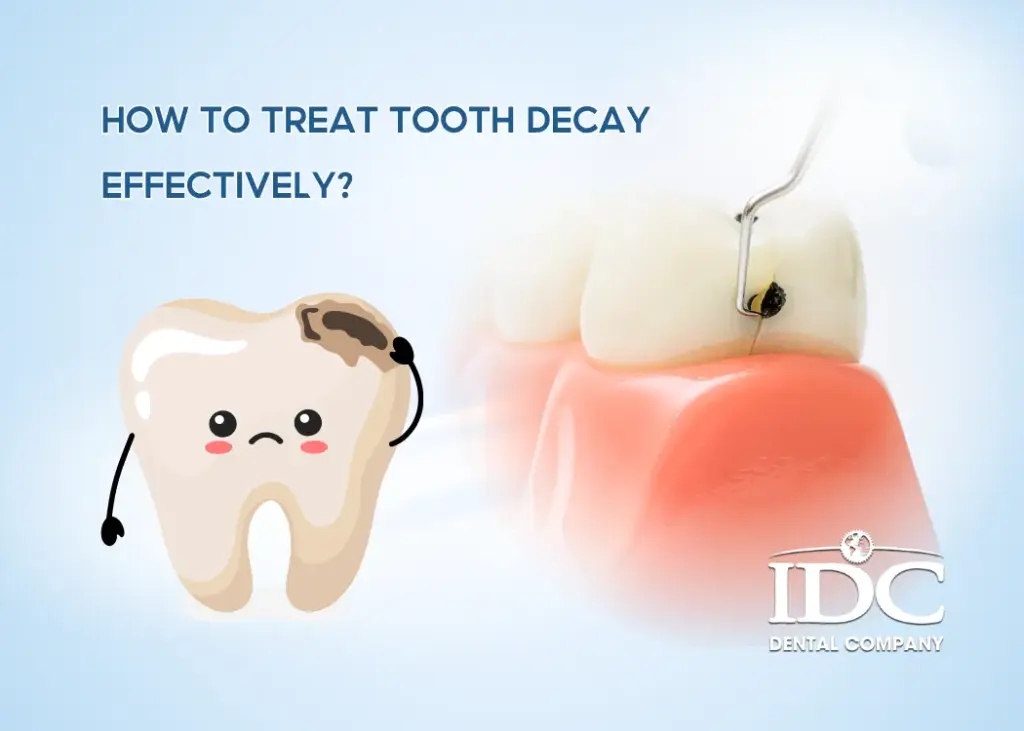
Understanding the different stages of tooth decay and available treatment options can help you make informed decisions about your oral health. Early diagnosis is especially important because treating decay before it becomes extensive may allow more of the natural tooth structure to be preserved.
What Is Tooth Decay?
Tooth decay, also known as dental caries or cavities, is a process in which the hard tissues of a tooth are gradually damaged by acids produced by bacteria in dental plaque. When you frequently consume sugary or carbohydrate-rich foods and drinks, oral bacteria can use these substances to produce acids.
These acids can remove minerals from tooth enamel. If this process happens repeatedly and the tooth does not have enough opportunity to remineralize, the enamel can become weakened and a cavity may eventually form.
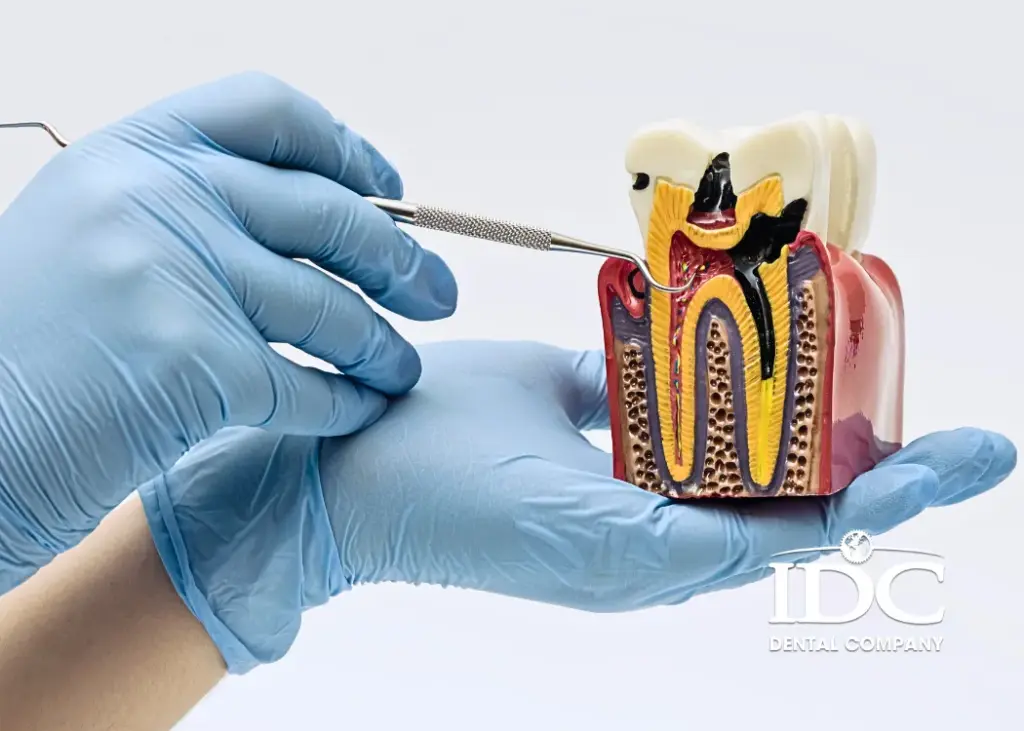
Tooth decay can affect different parts of the tooth, including the enamel, dentin, and eventually the pulp. The deeper the decay progresses, the more complex treatment may become.
Common Causes of Tooth Decay
Several factors can contribute to the development of cavities, including:
- Inadequate brushing and oral hygiene
- Plaque buildup
- Frequent consumption of sugary foods and beverages
- Frequent snacking between meals
- Insufficient fluoride exposure
- Dry mouth or reduced saliva flow
- Deep grooves and pits on the chewing surfaces of teeth
- Difficulty cleaning between teeth
- Irregular dental examinations
Tooth decay is usually influenced by multiple factors rather than a single cause. Maintaining good oral hygiene and having regular dental checkups can help reduce the risk.
How Does Tooth Decay Progress?
Understanding how a cavity develops can explain why early treatment is important.
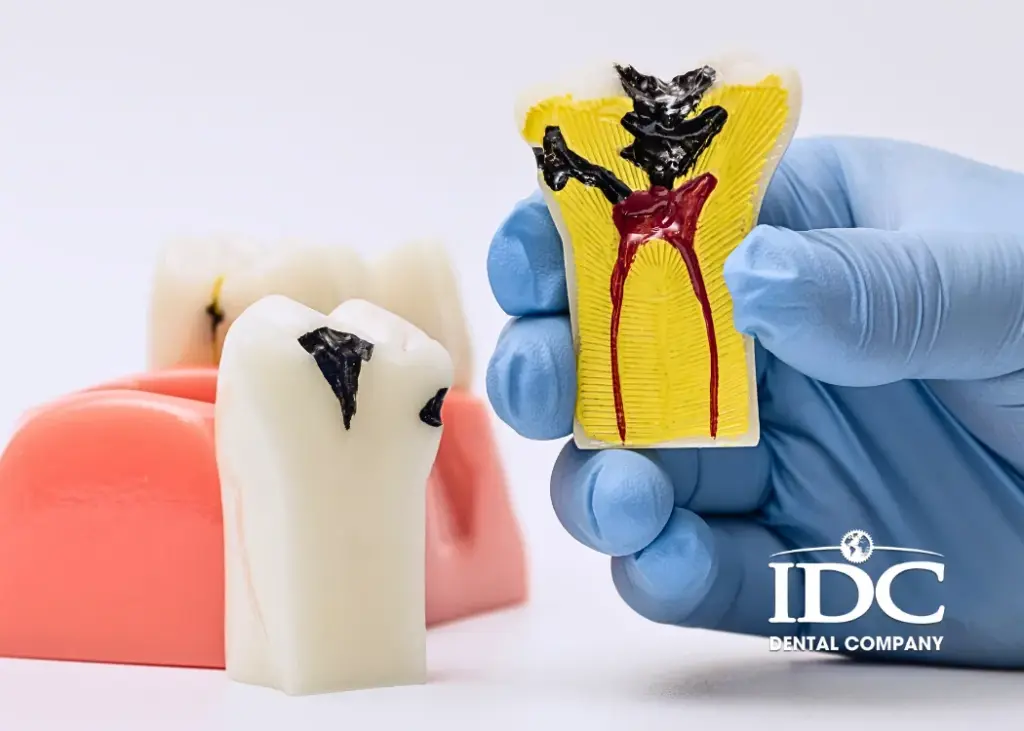
Stage 1: Enakmel Demineralization
The earliest stage may involve mineral loss from the enamel. White or chalky spots can sometimes appear on the surface of a tooth. At this stage, the enamel may still be intact.
With appropriate preventive care and fluoride exposure, some early lesions may be managed or remineralized.
Stage 2: Cavity Formation
If mineral loss continues, the enamel can break down and form a cavity. Once there is a physical hole in the tooth, the lost tooth structure generally cannot grow back naturally.
A dental filling may be recommended when the cavity is suitable for restorative treatment.
Stage 3: Dentin Involvement
When decay extends through the enamel into the dentin, the tooth may become more sensitive. Patients may notice discomfort when eating or drinking something cold, hot, sweet, or acidic.
Treatment may require removing the decayed tissue and restoring the tooth with a filling or another restoration, depending on the extent of damage.
Stage 4: Pulp Involvement
If decay continues to spread toward the center of the tooth, bacteria can affect the dental pulp. This may lead to inflammation or infection.
At this stage, symptoms can include significant toothache, spontaneous pain, prolonged sensitivity, pain when biting, or nighttime discomfort. Root canal treatment may be required if the pulp cannot recover.
What Are the Signs of Tooth Decay?
Recognizing the signs of tooth decay can help you seek treatment before the problem becomes more serious.
Early Signs
Early tooth decay may not cause pain. Possible signs include:
- White or chalky areas on the enamel
- Changes in tooth color
- Mild sensitivity
- Increased sensitivity to sugary foods
- Rough areas on the tooth surface
Because early decay can be difficult to see or feel, routine dental examinations are important.
Moderate Decay
As the cavity develops, you may notice:
- Brown or dark spots
- A visible hole in the tooth
- Food getting trapped in the same area
- Sensitivity to hot or cold foods
- Discomfort when eating sweets
- Pain when chewing
These symptoms indicate that the tooth should be evaluated by a dentist.
Advanced Tooth Decay
More severe symptoms may include:
- Persistent toothache
- Spontaneous tooth pain
- Pain that becomes worse at night
- Prolonged sensitivity after hot or cold stimulation
- Pain when biting
- A broken or severely damaged tooth
- Swelling around the tooth
- Swollen gums or a dental abscess
Facial swelling, fever, difficulty swallowing, or difficulty breathing can indicate a more serious infection and require prompt professional care.
How to Treat Tooth Decay Effectively?
There is no single treatment that is best for every cavity. The appropriate approach depends on the depth of decay, the amount of healthy tooth structure remaining, the condition of the pulp, and the location of the affected tooth.
1. Early Tooth Decay: Fluoride and Remineralization
When tooth decay is detected at an early stage and there is no established cavity, preventive treatment may be possible.
A dentist may recommend:
- Fluoride toothpaste
- Professional fluoride treatment when appropriate
- Improved brushing techniques
- Daily cleaning between teeth
- Reducing frequent sugar consumption
- Regular monitoring of the affected area
Fluoride can help strengthen enamel and support remineralization. However, it is important to understand the difference between an early enamel lesion and a fully formed cavity.
Once a cavity has created a physical hole in the tooth, fluoride alone cannot rebuild the missing tooth structure. Restorative treatment may then be necessary.
2. Dental Fillings for Cavities
A dental filling is one of the most common treatments for tooth decay. It may be recommended when the cavity has damaged the tooth but enough healthy structure remains to support a filling.
What Happens During a Dental Filling?
The procedure generally involves:
- Examining the affected tooth.
- Removing the decayed tooth structure.
- Cleaning and preparing the area.
- Placing the appropriate filling material.
- Shaping and finishing the restoration.
- Checking the bite and making necessary adjustments.
Composite resin is commonly used because it can be matched to the natural appearance of the tooth. Other materials, such as glass ionomer, may also be appropriate depending on the location and clinical circumstances.
Benefits of Dental Fillings
Dental fillings can:
- Restore the shape of a damaged tooth
- Improve chewing function
- Seal the treated area
- Preserve remaining healthy tooth structure
- Provide a natural-looking result when tooth-colored materials are used
However, fillings are not ideal for every severely damaged tooth. When a large amount of tooth structure has been lost, a stronger restoration may be necessary.
How to Restore a Severely Decayed Tooth?
When a tooth has extensive decay, dentists may consider additional restorative options depending on how much healthy tooth structure remains.
3. Inlays and Onlays
Inlays and onlays are indirect restorations that can be considered when a tooth has more extensive damage than is suitable for a conventional filling but does not necessarily require a full crown.
An inlay is designed to restore damage within the contours of a tooth, while an onlay can extend over one or more cusps of the tooth.
Potential advantages include:
- Restoring larger areas of tooth damage
- Improving chewing function
- Providing additional structural support
- Preserving remaining healthy tooth structure when appropriate
The dentist will determine whether an inlay, onlay, filling, or crown is the most appropriate option.
4. Dental Crowns for Severely Damaged Teeth
A dental crown is a restoration designed to cover and protect a significantly weakened tooth.
A crown may be considered when:
- A large portion of the tooth has been lost to decay.
- The remaining tooth structure is weakened.
- A tooth has undergone root canal treatment.
- A conventional filling may not provide sufficient structural support.
- The tooth has significant structural damage but remains restorable.
A dental crown can restore the tooth’s shape and function while providing coverage for the remaining structure.
However, not every decayed tooth needs a crown. Using a crown unnecessarily can involve removal of additional tooth structure. The decision should therefore be based on a thorough clinical evaluation.
Root Canal Treatment for Advanced Tooth Decay
When decay reaches the dental pulp and causes irreversible inflammation or infection, root canal treatment may be needed.
The dental pulp contains nerves and blood vessels. Once bacteria reach this area, the pulp may become inflamed or infected.
Signs That May Indicate Pulp Involvement
Possible symptoms include:
- Severe or persistent tooth pain
- Spontaneous pain
- Pain that occurs at night
- Prolonged sensitivity to hot or cold
- Pain when biting or chewing
- Swelling around the affected tooth
These symptoms do not automatically mean that a root canal is necessary. A dentist needs to examine the tooth and assess the pulp before making a diagnosis.
What Happens During Root Canal Treatment?
The procedure typically involves:
- Dental examination and diagnosis
- X-ray imaging when clinically indicated
- Local anesthesia
- Accessing the inside of the tooth
- Cleaning and shaping the root canal system
- Filling and sealing the canals
- Restoring the tooth
The goal is to remove inflamed or infected pulp tissue, clean the root canal system, and seal it to reduce the risk of reinfection.
Why Does a Root Canal-Treated Tooth Often Need a Crown?
A tooth that has undergone extensive decay and root canal treatment may have lost a substantial amount of its natural structure. Depending on the tooth and the amount of remaining structure, a filling, onlay, or crown may be recommended.
The final restoration helps restore function and protect the remaining tooth structure from further damage.
What If a Decayed Tooth Cannot Be Saved?
In some situations, a tooth may be too severely damaged to restore predictably. This can happen when there is insufficient remaining tooth structure, certain types of fractures, or other factors that make successful restoration unlikely.
In these cases, extraction may be recommended.
Although losing a tooth can be concerning, several options are available to replace a missing tooth.
Dental Bridges
A dental bridge can replace a missing tooth by using adjacent teeth as support. It may be suitable in certain situations depending on the condition of the neighboring teeth.
Removable Partial Dentures
A removable partial denture can replace one or several missing teeth. It can be removed for cleaning and maintenance.
Dental Implants
A dental implant is another option for replacing a missing tooth. An implant is placed into the jawbone and can support a dental crown or other restoration.
Implant treatment may provide a stable replacement and can help restore chewing function. However, candidacy depends on factors such as bone availability, gum health, overall health, and the specific treatment plan.
Whenever possible, preserving a natural tooth may be preferable to extraction. A dentist should evaluate whether a tooth can be predictably restored before recommending removal.
How to Choose the Right Dentist for Tooth Decay Treatment?
Finding the right dental clinic is an important part of receiving effective cavity treatment. When comparing dental providers, consider more than just the advertised price.
1. Qualified and Experienced Dental Professionals
Look for a dental team with appropriate professional training and experience in:
- General dentistry
- Restorative dentistry
- Cavity treatment
- Root canal treatment
- Dental crowns
- Tooth replacement
An experienced dentist should be able to evaluate the condition of the tooth and explain whether it can be preserved.
2. Appropriate Diagnostic Technology
Accurate diagnosis is essential for selecting the right treatment.
Depending on the situation, a dental clinic may use:
- Digital dental X-rays
- Intraoral examination
- Digital imaging
- Other diagnostic tools when clinically necessary
Technology should support, rather than replace, a dentist’s clinical examination and professional judgment.
3. Comprehensive Treatment Options
A dental clinic that provides multiple treatment options can develop a treatment plan based on the patient’s individual needs.
Services may include:
- Preventive dental care
- Fluoride treatment
- Dental fillings
- Root canal treatment
- Inlays and onlays
- Dental crowns
- Tooth extraction
- Dental implants
4. Transparent Treatment Planning
Before treatment, patients should receive clear information about:
- The diagnosis
- Recommended treatment
- Alternative options when appropriate
- Treatment steps
- Estimated costs
- Potential risks and limitations
- Follow-up care
Clear communication allows patients to make informed decisions about their dental health.
5. Focus on Preserving Natural Teeth
A good treatment plan should consider long-term oral health rather than simply addressing the visible cavity.
Whenever clinically appropriate, preserving healthy natural tooth structure should be an important consideration. More extensive treatments should be recommended when they are necessary to achieve a predictable outcome.
How Much Does Tooth Decay Treatment Cost?
The cost of tooth decay treatment can vary significantly depending on the individual case.
Several factors can affect the final cost, including:
- Severity of the cavity
- Number of affected teeth
- Location of the tooth
- Type of filling material
- Size of the restoration
- Need for root canal treatment
- Need for a dental crown
- Diagnostic imaging
- Need for extraction
- Need for tooth replacement
In general, treating a small cavity with a filling is typically less complex than treating a severely damaged tooth that requires root canal treatment and a crown.
For this reason, early diagnosis may help prevent the need for more extensive procedures.
Patients should ask the dental clinic for a treatment plan and estimated cost before beginning treatment. If several treatment options are clinically appropriate, the dentist can explain the advantages, limitations, and costs of each option.
How to Prevent Tooth Decay After Treatment?
Treating an existing cavity is only part of maintaining good oral health. Prevention is essential to reduce the risk of developing new cavities.
Brush Your Teeth Twice a Day
Brush your teeth twice daily using fluoride toothpaste. Pay attention to the gumline, chewing surfaces, and areas that are difficult to reach.
Avoid aggressive brushing, which can irritate the gums or contribute to enamel and root surface wear.
Clean Between Your Teeth
A toothbrush cannot effectively clean every surface between teeth. Daily flossing or the use of an appropriate interdental cleaning device can help remove plaque and food particles.
Limit Frequent Sugar Consumption
It is not only the total amount of sugar that matters, but also how frequently teeth are exposed to it.
Try to reduce frequent consumption of:
- Candy
- Cookies
- Sugary drinks
- Sweetened coffee or tea
- Other foods and beverages high in added sugar
Drinking water after meals can also help maintain a healthier oral environment.
Have Regular Dental Checkups
Regular dental examinations can help identify cavities and other oral health problems before they become more advanced.
Depending on your individual risk, your dentist may recommend a specific schedule for routine examinations and professional cleaning.
Frequently Asked Questions About Tooth Decay Treatment
Can tooth decay heal on its own?
Very early enamel demineralization may sometimes be controlled or remineralized with appropriate preventive care. However, once a physical cavity has formed, the lost tooth structure generally cannot regenerate naturally and restorative treatment may be needed.
What is the best treatment for tooth decay?
There is no single best treatment for every cavity. Early decay may be managed with preventive measures, while established cavities may require fillings. More extensive damage may require an inlay, onlay, crown, or root canal treatment.
Can a cavity be treated without a filling?
If the lesion is detected before a cavity has formed, preventive and remineralization strategies may sometimes be appropriate. Once a hole has developed, a restorative procedure is generally required.
Does tooth decay always cause pain?
No. Early cavities can develop without noticeable symptoms. This is why regular dental examinations are important even when your teeth do not hurt.
Does every decayed tooth need a root canal?
No. Root canal treatment is generally needed when the dental pulp has become irreversibly inflamed or infected or when clinical findings indicate that it is necessary.
Is a crown better than a filling?
A crown is not automatically better than a filling. The appropriate restoration depends on how much tooth structure remains, the location of the tooth, the amount of force it receives, and its overall condition.
Can a badly decayed tooth be saved?
In some cases, yes. If sufficient healthy tooth structure remains and the tooth has a predictable prognosis, treatments such as root canal therapy and restorative dentistry may allow the natural tooth to be preserved.
When should I see a dentist for tooth decay?
You should consider scheduling a dental examination if you notice tooth sensitivity, a visible cavity, persistent pain, food getting trapped around a tooth, pain when chewing, or a broken tooth.
If you experience significant swelling, fever, difficulty swallowing, or difficulty breathing, seek urgent professional care.



 WhatsApp