
Causes of periodontal disease are often linked to more than just poor brushing habits. While plaque buildup is the primary trigger, many other factors—including smoking, diabetes, genetics, hormonal changes, certain medications, and existing dental problems—can significantly increase your risk of developing gum disease.
Because periodontal disease often progresses without noticeable symptoms in its early stages, many people are unaware they have it until serious damage has already occurred. Understanding the common causes and risk factors is the first step toward protecting your gums, preserving your teeth, and maintaining long-term oral health.
What Is Periodontal Disease?
Understanding Periodontal Disease
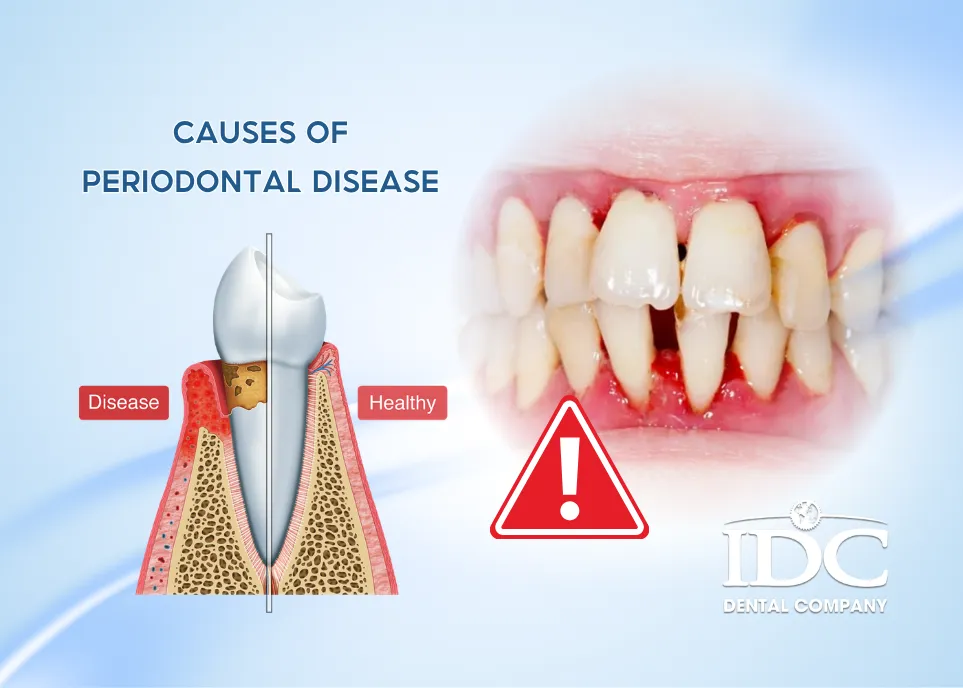
Periodontal disease is a gum infection that affects the soft tissue and bone supporting the teeth. It usually begins with gingivitis, the earliest stage of gum disease. At this stage, the gums may become red, swollen, tender, or bleed easily during brushing and flossing.
If gingivitis is not treated, it can progress into periodontitis. This is a more serious form of gum disease where the gums begin to pull away from the teeth, creating pockets that collect bacteria. Over time, these bacteria can damage the supporting bone and tissues, causing teeth to loosen.
Why periodontal disease should not be ignored
Periodontal disease is not just a minor gum problem. It can affect your ability to chew, smile, and maintain long-term oral health. Advanced gum disease may lead to gum recession, exposed tooth roots, persistent bad breath, tooth mobility, and tooth loss.
The earlier periodontal disease is detected, the easier it is to manage. This is why regular dental checkups and professional cleanings are essential.
What Is the Main Causes of Periodontal Disease?
Plaque Buildup Around the Teeth and Gums
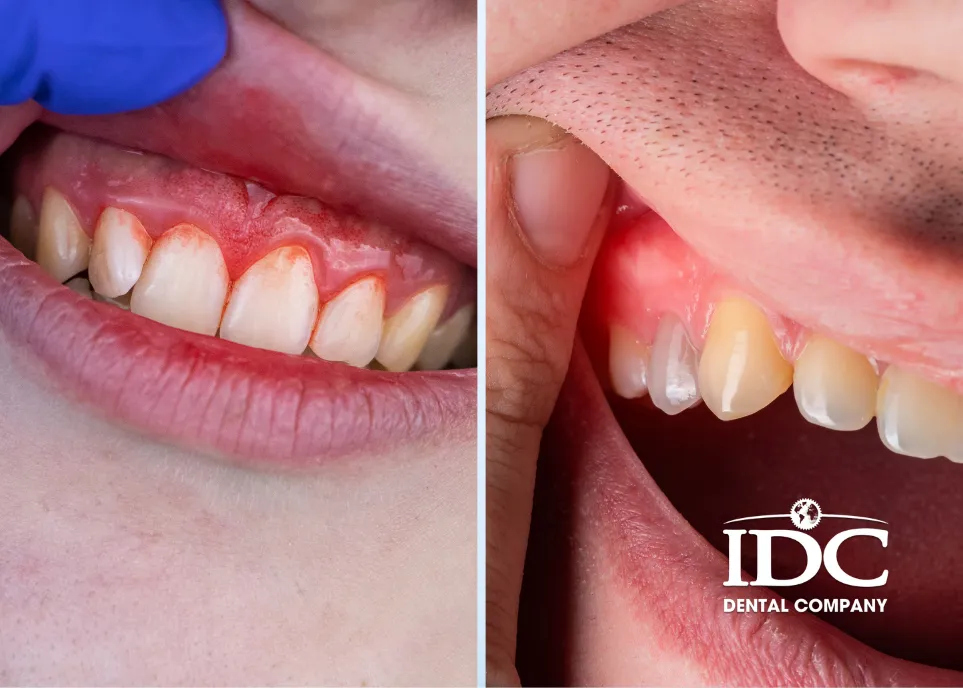
The primary cause of periodontal disease is plaque buildup. Plaque contains harmful bacteria that irritate the gums and trigger inflammation. When plaque is not removed through daily brushing and flossing, it continues to accumulate along the gumline.
In the early stage, this inflammation may cause gingivitis. The gums may bleed when brushing, feel tender, or appear swollen.
At this point, gum disease is often reversible with proper care and professional cleaning.
How Tartar Makes Gum Disease Worse
When plaque stays on the teeth for too long, it hardens into tartar, also called calculus.
Tartar cannot be removed by brushing or flossing at home. It creates a rough surface that allows more bacteria to attach to the teeth.
Once tartar builds up below the gumline, it can contribute to deeper infection, gum pockets, and bone loss. Professional dental cleaning is needed to remove tartar and reduce the risk of periodontal disease progression.
10 Common Risk Factors for Periodontal Disease
1. Poor Oral Hygiene
Poor oral hygiene is one of the most common risk factors for periodontal disease. If you do not brush and floss properly, plaque can build up around the teeth and gums.
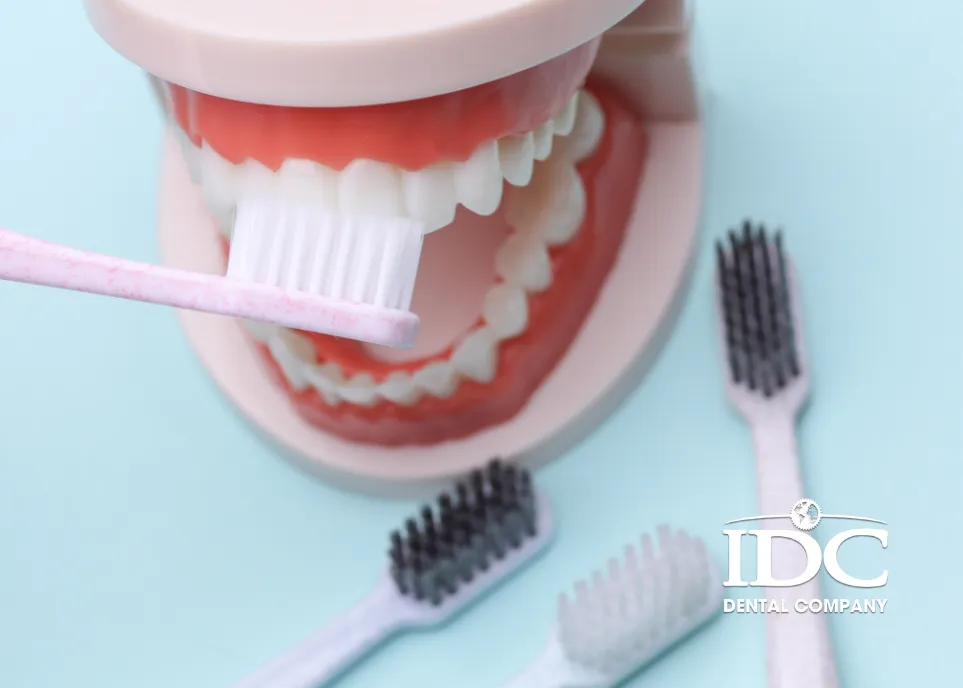
Brushing twice a day and flossing daily help remove bacteria before they harden into tartar. Without consistent oral care, the gums become inflamed, and the risk of gum disease increases.
Common poor hygiene habits include brushing too quickly, skipping flossing, not cleaning along the gumline, and avoiding regular dental cleanings.
2. Smoking and Tobacco Use
Smoking is strongly linked to gum disease. Tobacco use reduces blood flow to the gums, weakens the immune response, and slows down healing. This makes it harder for the body to fight infection.
Smokers are more likely to develop severe periodontal disease and may not notice early warning signs because smoking can reduce gum bleeding. This means the disease may progress silently until it becomes advanced.

Quitting smoking is one of the best steps you can take to improve gum health and overall oral health.
3. Diabetes
Diabetes increases the risk of infections, including gum infections. When blood sugar is poorly controlled, the body has a harder time fighting bacteria. This can make periodontal disease more severe and harder to manage.
There is also a two-way relationship between diabetes and gum disease. Diabetes can worsen periodontal disease, and severe gum inflammation may make blood sugar control more difficult.
Patients with diabetes should pay close attention to gum health, maintain regular dental visits, and work with both their dentist and physician to manage their condition.
4. Genetics and Family History
Some people are naturally more prone to periodontal disease because of genetics. Even with good oral hygiene, they may develop gum problems more easily than others.
If your parents or close family members have a history of gum disease or early tooth loss, you may have a higher risk. This does not mean periodontal disease is unavoidable, but it does mean you should be more proactive with prevention.
Regular dental checkups, early screening, and professional cleanings are especially important for patients with a family history of gum disease.
5. Hormonal Changes
Hormonal changes can make the gums more sensitive and more likely to react to plaque. This is why some women experience gum swelling or bleeding during pregnancy, menstruation, or menopause.
Pregnancy gingivitis is a common example. During pregnancy, hormonal changes can increase gum inflammation, even when plaque levels are not extremely high. If left untreated, gum problems may become more serious.
Maintaining excellent oral hygiene and visiting the dentist during pregnancy can help protect both gum health and overall well-being.
6. Stress
Stress can affect gum health in several ways. When people are stressed, they may neglect brushing, flossing, healthy eating, or dental appointments. Stress can also weaken the immune system, making it harder for the body to fight infection.
In addition, stress may contribute to teeth grinding or clenching, also known as bruxism. Excessive pressure from grinding can damage the supporting structures of the teeth and worsen existing periodontal problems.
Managing stress, maintaining daily oral care, and using a night guard when needed can help reduce the impact of stress on oral health.
7. Certain Medications
Some medications can increase the risk of periodontal problems by causing dry mouth, gum enlargement, or changes in saliva flow. Saliva plays an important role in washing away food particles and controlling bacteria in the mouth.
Medications that may affect gum health include some blood pressure medicines, antidepressants, antihistamines, and certain medications used for seizures or immune conditions.
If you notice dry mouth, swollen gums, or changes in your oral health after starting a medication, speak with your dentist. They can recommend ways to manage symptoms and protect your gums.
8. Poor Nutrition
A balanced diet supports a healthy immune system and strong gum tissue. Poor nutrition can make it harder for the body to fight infection and heal properly.
A diet high in sugar can also feed harmful bacteria in the mouth, increasing plaque buildup and inflammation. Lack of essential nutrients such as vitamin C, vitamin D, calcium, and antioxidants may contribute to weaker gum health.
Eating more vegetables, fruits, lean proteins, whole grains, and drinking enough water can support both oral and overall health.
9. Crooked Teeth or Misaligned Bite
Crooked teeth, crowded teeth, and bite problems can make it harder to clean the mouth properly. Plaque may accumulate in areas that are difficult to reach with a toothbrush or floss.
When teeth are misaligned, certain areas may also receive uneven pressure during chewing. This can irritate the gums and supporting bone, especially if gum disease is already present.
Orthodontic treatment, professional cleanings, and personalized hygiene instructions can help reduce the risk for patients with crowded or misaligned teeth.
10. Existing Dental Problems
Dental issues such as poorly fitted crowns, old fillings, untreated cavities, cracked teeth, and food traps can increase the risk of periodontal disease. These problems may create areas where plaque and bacteria easily collect.
For example, an overhanging filling or poorly fitted crown margin can irritate the gums and make cleaning difficult. Food trapped between teeth can also contribute to inflammation and bad breath.
Treating dental problems early helps reduce bacterial buildup and protect gum health.
Early Signs of Periodontal Disease
Red, Swollen, or Tender Gums
Healthy gums should look firm and pink. If your gums appear red, swollen, or tender, this may be an early sign of gum inflammation.
Bleeding When Brushing or Flossing
Bleeding gums are not normal. If your gums bleed regularly when brushing or flossing, it may indicate gingivitis or periodontal disease.
Persistent Bad Breath
Bad breath that does not go away may be caused by bacteria trapped below the gumline or between teeth.
Gum Recession
When gums pull away from the teeth, the teeth may look longer than before. Gum recession can expose tooth roots and increase sensitivity.
Loose Teeth or Changes in Bite
Advanced periodontal disease can damage the bone supporting the teeth, causing teeth to feel loose or shift position.
Pus Around the Gums
Pus around the gumline is a sign of infection and should be examined by a dentist as soon as possible.
Who Is Most at Risk of Periodontal Disease?
Although anyone can develop gum disease, some groups have a higher risk. Adults over 35 are more likely to experience periodontal problems, especially if they have not maintained regular dental care.
Smokers, patients with diabetes, pregnant women, people with a family history of gum disease, and individuals with poor oral hygiene habits are also at increased risk. Patients with dry mouth, crowded teeth, or existing dental restorations should also be careful.
If you belong to a higher-risk group, preventive dental care is especially important.
How Periodontal Disease Affects Your Oral Health
Periodontal disease begins with gum inflammation, but it can progress to more serious damage. As the gums become infected, they may pull away from the teeth and form deep pockets. These pockets allow bacteria to move deeper below the gumline.
Over time, the infection can destroy the bone that holds the teeth in place. This may lead to tooth mobility, changes in bite, difficulty chewing, and eventually tooth loss.
Periodontal disease can also affect dental implants, bridges, crowns, and other restorations. Healthy gums and bone are essential for long-term dental stability.
Can Periodontal Disease Affect Overall Health?
Oral health is closely connected to general health. While periodontal disease begins in the mouth, chronic inflammation and bacteria may be associated with broader health concerns.
People with diabetes may find that gum disease and blood sugar control influence each other. Some research has also explored connections between periodontal disease and heart health, pregnancy outcomes, and inflammation in the body.
Although gum disease is not the only cause of these health issues, maintaining healthy gums is an important part of overall wellness.
How to Prevent Periodontal Disease
Brush Twice a Day
Brush your teeth at least twice daily with a soft-bristled toothbrush and fluoride toothpaste. Focus on the gumline, where plaque often collects.
Floss or Use Interdental Cleaners Daily
Flossing removes plaque between teeth where a toothbrush cannot reach. If traditional floss is difficult, interdental brushes or water flossers may help.
Schedule Regular Dental Cleanings
Professional cleanings remove tartar that cannot be removed at home. Most patients should visit the dentist every six months, while high-risk patients may need more frequent visits.
Stop Smoking
Quitting smoking greatly improves gum health and healing. It also lowers the risk of severe periodontal disease.
Control Blood Sugar Levels
For patients with diabetes, good blood sugar control can help reduce infection risk and support healthier gums.
Eat a Balanced Diet
A nutritious diet supports the immune system and helps gum tissue stay strong. Limit sugary snacks and drinks to reduce plaque buildup.
Treat Dental Problems Early
Do not ignore cavities, broken fillings, loose crowns, or food traps. Early treatment prevents bacteria from accumulating and damaging the gums.
When Should You See a Dentist?
You should see a dentist if your gums bleed frequently, feel swollen, or look red. Persistent bad breath, gum recession, loose teeth, pus, or pain are also warning signs that need professional attention.
Even if you do not have symptoms, regular dental exams are important because periodontal disease can develop quietly. Early diagnosis helps prevent more serious damage.
How Dentists Diagnose Periodontal Disease
Dentists diagnose periodontal disease through a complete gum examination. They may measure the depth of the pockets around your teeth using a periodontal probe. Deeper pockets may indicate gum disease.
Dental X-rays may be taken to check for bone loss around the teeth. The dentist will also evaluate plaque, tartar, gum bleeding, tooth mobility, bite condition, and medical risk factors.
This information helps determine the stage of gum disease and the most suitable treatment plan.
Treatment Options for Periodontal Disease
Professional Dental Cleaning
For early gum inflammation, professional cleaning may be enough to remove plaque and tartar and allow the gums to heal.
Scaling and Root Planing
Scaling and root planing is a deeper cleaning procedure used for periodontitis. It removes plaque and tartar from below the gumline and smooths the tooth roots to help the gums reattach.
Antibiotic Therapy When Needed
In some cases, antibiotics may be used to control bacterial infection. This may be recommended alongside deep cleaning or other periodontal treatment.
Periodontal Maintenance
After gum disease is treated, regular periodontal maintenance is important to prevent recurrence. These visits may be scheduled more frequently than regular cleanings.
Advanced Gum Treatment
Severe cases may require advanced periodontal therapy, such as gum surgery or bone regeneration procedures. The treatment depends on the severity of the disease and the patient’s overall oral health.
Why choose IDC Dental for Gum Disease Treatment?
Choosing the right dental team is important when treating periodontal disease. IDC Dental focus on comprehensive diagnosis, personalized treatment planning, and long-term prevention.
Patients can receive a detailed gum health examination, digital X-rays when needed, professional cleaning, and periodontal treatment based on their condition. The dental team can also provide guidance on home care, lifestyle changes, and maintenance schedules.
For international patients, clear communication and follow-up support are especially important. A well-planned approach helps patients understand their gum condition, treatment options, and how to protect their smile over time.
Frequently Asked Questions
What is the main causes of periodontal disease?
The main cause is plaque buildup around the teeth and gums. Plaque contains bacteria that irritate the gums and trigger infection.
Can periodontal disease be cured?
Gingivitis can often be reversed with proper care. Periodontitis cannot always be completely reversed, but it can usually be managed with professional treatment and maintenance.
Is periodontal disease contagious?
Periodontal disease is caused by bacteria, but it is not contagious in the same way as a cold. However, oral bacteria can be shared through saliva, so good hygiene is important.
Does smoking cause periodontal disease?
Smoking greatly increases the risk of gum disease and makes healing more difficult.
Can diabetes make gum disease worse?
Yes. Diabetes can increase the risk of infection and may make periodontal disease more severe, especially when blood sugar is poorly controlled.
What are the first signs of periodontal disease?
Common early signs include red gums, swelling, bleeding when brushing or flossing, and persistent bad breath.
How often should I get dental cleanings?
Most patients should have cleanings every six months. Patients with periodontal disease may need maintenance visits every three to four months.
Can periodontal disease cause tooth loss?
Yes. Advanced periodontal disease can destroy the bone supporting the teeth, leading to loose teeth and tooth loss.



 WhatsApp