
Dental Fluorosis is a common condition that causes changes in the color and appearance of tooth enamel due to excessive fluoride intake during childhood. While fluoride is well known for protecting teeth against cavities, too much fluoride during the early years of tooth development can leave permanent marks on the enamel, ranging from subtle white spots to more noticeable brown stains.
Although dental fluorosis is usually harmless and does not affect the function of the teeth, many people seek treatment because they want a more even and attractive smile. The good news is that modern cosmetic dentistry offers a wide range of solutions that can dramatically improve the appearance of fluorosis-affected teeth and restore confidence.
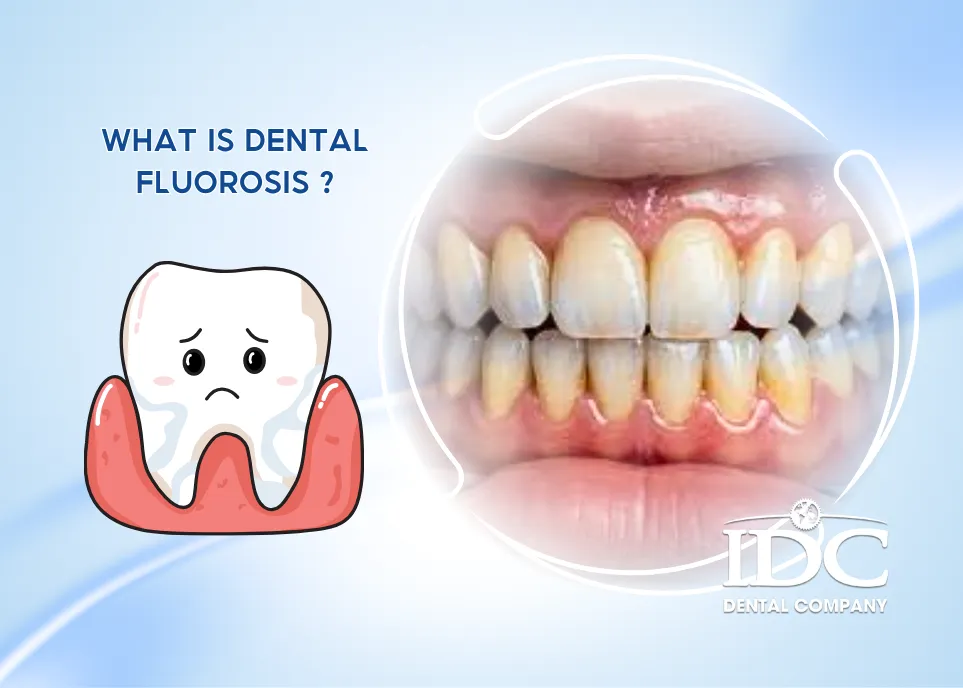
In this article, we will explain what dental fluorosis is, why it occurs, how to recognize its symptoms, and the most effective treatment options available today.
What Is Dental Fluorosis? Causes, Symptoms, and Treatment Options
Dental Fluorosis is a condition that affects the appearance of tooth enamel due to excessive fluoride exposure during childhood. While fluoride is widely recognized for its ability to prevent tooth decay and strengthen enamel, consuming too much fluoride when teeth are still developing can lead to visible changes in the color and texture of teeth.
Many people with dental fluorosis notice white spots, streaks, or brown discoloration on their teeth and may mistakenly assume these are signs of poor oral hygiene or tooth decay. In reality, dental fluorosis is not caused by bacteria, is generally not harmful to oral health, and is often considered a cosmetic concern rather than a disease.
The good news is that modern dentistry offers a variety of effective treatment options to improve the appearance of fluorosis-affected teeth. In this article, we will explore what dental fluorosis is, what causes it, its symptoms, and the available treatments that can help restore a healthy and confident smile.
What Is Dental Fluorosis?
Dental fluorosis is a developmental condition that affects the enamel, the hard outer layer of the teeth. It occurs when children are exposed to excessive amounts of fluoride while their permanent teeth are still forming beneath the gums.
The condition develops only during childhood, typically from birth until around the age of eight. Once teeth have fully developed, additional fluoride exposure will not cause fluorosis.
Dental fluorosis is not contagious and usually does not affect the function of teeth. In most cases, it is primarily an aesthetic issue that changes the appearance of enamel.
The severity of fluorosis can vary widely. Mild cases may only show faint white lines or tiny white spots, while severe cases may involve brown stains, pitted enamel, and irregular tooth surfaces.
How Does Fluoride Affect Tooth Development?
Fluoride is an essential mineral that helps strengthen tooth enamel and reduce the risk of cavities. It works by promoting remineralization and making teeth more resistant to acid attacks from bacteria.
However, excessive fluoride intake during tooth development can disrupt the normal process of enamel mineralization.
Instead of forming a smooth and translucent surface, the enamel may develop:
- White opaque spots
- Chalky streaks
- Yellow or brown discoloration
- Surface roughness
- Small pits or grooves
The greater the fluoride exposure during childhood, the more noticeable the changes may become.
What Causes Dental Fluorosis?
Excessive Fluoride Intake During Childhood
The most common cause of dental fluorosis is consuming too much fluoride while permanent teeth are developing.
Children younger than eight years old are at the highest risk because this is the period when enamel formation occurs.
Drinking Water with High Fluoride Levels
In some areas, groundwater naturally contains high concentrations of fluoride.
Children who drink water with elevated fluoride levels over an extended period are more likely to develop fluorosis.
Communities with fluoridated water supplies generally maintain fluoride levels within safe limits, but naturally occurring fluoride in well water can sometimes exceed recommended levels.
Swallowing Too Much Toothpaste
Young children often swallow toothpaste while brushing.
If fluoride toothpaste is used excessively or swallowed regularly, it may contribute to fluorosis.
Parents should supervise brushing and ensure children use only:
- A rice-sized amount of toothpaste for children under three years old
- A pea-sized amount for children aged three to six
Excessive Use of Fluoride Supplements
Fluoride tablets or drops are sometimes prescribed to children who live in areas with low fluoride levels.
However, taking supplements without professional guidance may increase the risk of fluorosis.
Exposure to Multiple Sources of Fluoride
Many children receive fluoride from several sources simultaneously, including:
- Drinking water
- Toothpaste
- Mouth rinses
- Fluoride supplements
- Processed beverages
- Certain foods
The combined intake may exceed the recommended amount and contribute to fluorosis development.
Who Is Most at Risk for Dental Fluorosis?
Children younger than eight years old are the group most vulnerable to dental fluorosis.
Additional risk factors include:
- Living in areas with naturally high fluoride levels
- Drinking well water without testing fluoride concentration
- Swallowing fluoride toothpaste regularly
- Using fluoride supplements unnecessarily
- Receiving fluoride from multiple sources
Adults are not at risk of developing fluorosis because their teeth have already completed enamel formation.
Symptoms of Dental Fluorosis
The symptoms of dental fluorosis vary depending on the severity of the condition.
Mild Dental Fluorosis
Mild fluorosis is the most common form.
Symptoms may include:
- Tiny white spots
- Thin white streaks
- Slight loss of enamel translucency
- Small cloudy areas on the teeth
In many cases, these changes are barely noticeable.
Moderate Dental Fluorosis
As fluorosis becomes more pronounced, symptoms may include:
- Larger white patches
- Noticeable enamel discoloration
- Yellow or light brown staining
- Slight surface irregularities
The appearance of the smile may become a cosmetic concern for some individuals.
Severe Dental Fluorosis
Severe fluorosis is less common but more noticeable.
Symptoms may include:
- Dark brown stains
- Pitted enamel surfaces
- Rough tooth texture
- Irregular enamel shape
- Areas where enamel appears chipped or worn
These changes can significantly affect smile aesthetics and self-confidence.
Different Levels of Dental Fluorosis
Dentists generally classify fluorosis into four levels:
Very Mild
- Small white flecks
- Minimal cosmetic concern
- Difficult to notice without close examination
Mild
- White spots and lines
- Less than half of the tooth surface affected
- Usually no impact on oral function
Moderate
- Larger white areas
- Brown stains may appear
- Surface irregularities become visible
Severe
- Extensive discoloration
- Brown or dark stains
- Pits and grooves on enamel
- Significant cosmetic concerns
Is Dental Fluorosis Harmful?
For most people, dental fluorosis is not harmful to oral health.
Mild and moderate fluorosis generally do not affect:
- Tooth strength
- Chewing ability
- Tooth sensitivity
- Risk of cavities
In fact, teeth affected by mild fluorosis are often just as strong as normal teeth.
However, severe fluorosis may cause enamel irregularities that can make teeth more susceptible to wear over time.
The most significant impact is often psychological or cosmetic, as visible discoloration may affect a person’s confidence and willingness to smile.
How Is Dental Fluorosis Diagnosed?
Dentists can usually diagnose dental fluorosis through a clinical examination.
During the appointment, the dentist will evaluate:
- Tooth color
- Enamel texture
- Distribution of stains
- Medical history
- Fluoride exposure history
Conditions That May Resemble Dental Fluorosis
Several other conditions can resemble fluorosis, including:
- Early tooth decay
- White spot lesions
- Enamel hypoplasia
- Tetracycline staining
- Mineralization defects
A proper diagnosis is important because treatment options differ depending on the cause.
Treatment Options for Dental Fluorosis
The best treatment depends on the severity of the condition and the patient’s cosmetic goals.
Teeth Whitening
Professional teeth whitening may improve the appearance of mild fluorosis.
Whitening can:
- Brighten surrounding enamel
- Reduce contrast between white spots and normal enamel
- Improve overall smile aesthetics
However, whitening alone may not eliminate all fluorosis stains.
Microabrasion
Microabrasion is a minimally invasive procedure that removes a very thin layer of enamel.
This treatment can:
- Reduce superficial white spots
- Smooth enamel surfaces
- Improve tooth appearance
Microabrasion is often recommended for mild to moderate fluorosis.
Composite Bonding
Composite bonding uses tooth-colored resin to cover discoloration and reshape the tooth surface.
Benefits include:
- Natural appearance
- Conservative treatment
- Quick procedure
- Affordable cost
Bonding is a popular option for patients seeking immediate cosmetic improvement.
Porcelain Veneers
Porcelain veneers are thin ceramic shells bonded to the front surfaces of teeth.
They are often considered one of the best solutions for moderate to severe fluorosis.
Advantages include:
- Complete coverage of stains
- Natural translucency
- Excellent aesthetics
- Long-lasting durability
- Resistance to staining
Veneers can dramatically transform the appearance of the smile.
Dental Crowns
In severe cases where enamel damage is extensive, dental crowns may be recommended.
Crowns cover the entire tooth and can:
- Restore tooth shape
- Protect weakened enamel
- Improve aesthetics
- Enhance function
Crowns are usually reserved for teeth with significant structural damage.
Can Dental Fluorosis Be Prevented?
Yes. Dental fluorosis can often be prevented with proper fluoride management during childhood.
Parents can help reduce the risk by:
Using the Correct Amount of Toothpaste
- Under age 3: rice-sized amount
- Ages 3–6: pea-sized amount
Supervising Children’s Brushing
Parents should encourage children to spit out toothpaste instead of swallowing it.
Testing Well Water
Families using private wells should have their water tested for fluoride levels.
Avoiding Unnecessary Fluoride Supplements
Fluoride supplements should only be used under professional supervision.
Monitoring Total Fluoride Exposure
It is important to consider all fluoride sources, including:
- Drinking water
- Toothpaste
- Mouthwash
- Supplements
- Processed foods and beverages
Maintaining an appropriate fluoride balance helps protect teeth while minimizing the risk of fluorosis.
Frequently Asked Questions About Dental Fluorosis
Can Dental Fluorosis Go Away Naturally?
No.
The enamel changes caused by fluorosis are permanent because enamel does not regenerate naturally.
However, cosmetic dental treatments can significantly improve the appearance of affected teeth.
Is Dental Fluorosis the Same as Tooth Decay?
No.
Dental fluorosis is caused by excessive fluoride during tooth development, while tooth decay is caused by bacterial acids that damage enamel.
Can Adults Develop Dental Fluorosis?
No.
Fluorosis only develops while teeth are forming beneath the gums.
Adults exposed to fluoride cannot develop dental fluorosis.
Is Dental Fluorosis Common?
Yes.
Mild dental fluorosis is relatively common worldwide and is often considered a cosmetic condition rather than a serious dental problem.



 WhatsApp