
So, why do we need regular dental checkups? This article will explain in detail what dental checkups are, why they are important, how often you need them, and what can happen if you ignore them.
Maintaining good oral health is not just about having a bright smile—it is an essential part of overall health and well-being. One of the most effective ways to protect your teeth and gums is through regular dental checkups. Yet, many people still skip routine visits to the dentist, often waiting until pain or serious problems appear.
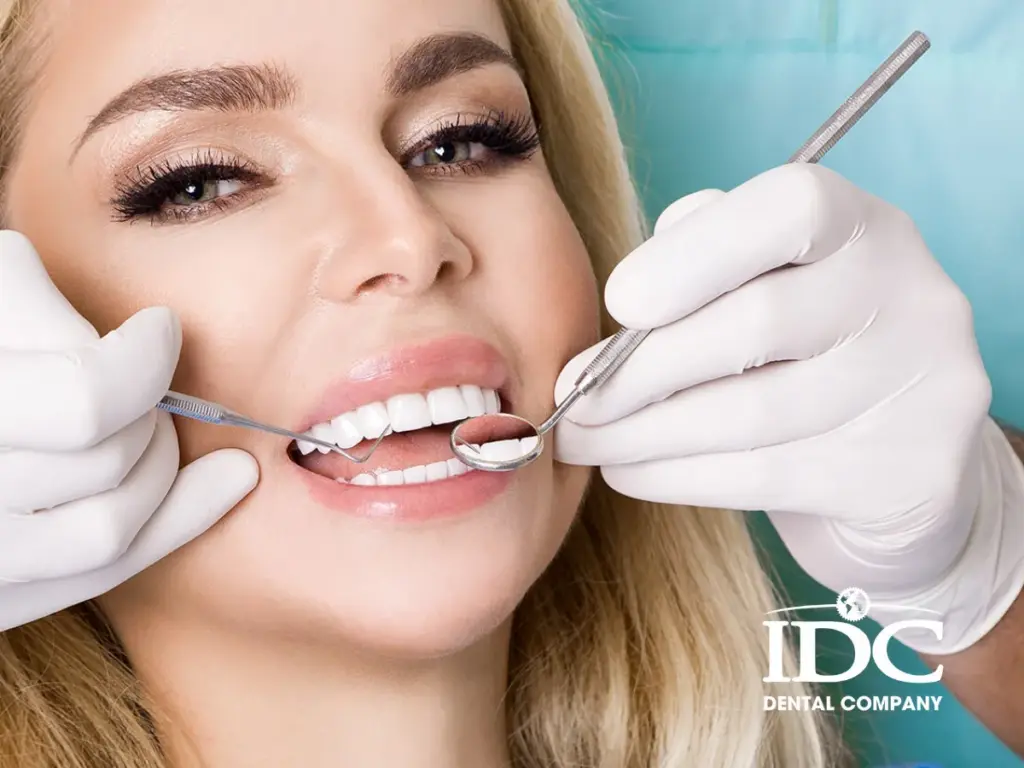
So, why do we need regular dental checkups? This article will explain in detail what dental checkups are, why they are important, how often you need them, and what can happen if you ignore them.
What Are Regular Dental Checkups?
A regular dental checkup is a routine visit to the dentist designed to monitor, maintain, and protect your oral health. Unlike dental treatments, which are performed to fix specific problems, dental checkups focus on prevention, early detection, and long-term care.
Regular dental checkups usually include:
- A full examination of teeth and gums
- Professional teeth cleaning
- Evaluation of oral hygiene habits
- Early detection of dental or gum diseases
The term “regular” typically means visiting the dentist every six months, although the frequency may vary depending on individual oral health conditions.
Why Are Regular Dental Checkups Important for Oral Health?
Early Detection of Dental Problems
One of the biggest benefits of regular dental checkups is early detection. Many dental issues do not cause pain in their early stages, making them difficult to notice on your own.
During a routine checkup, dentists can detect:
- Early-stage cavities
- Gum inflammation or gingivitis
- Cracked or worn teeth
- Hidden decay between teeth
- Signs of infection
By identifying these problems early, treatment is simpler, faster, and far less expensive.
Preventing Serious Dental Conditions
Skipping dental checkups allows minor problems to progress into serious conditions. Regular dental checkups help prevent:
- Advanced gum disease (periodontitis)
- Tooth loss
- Root canal infections
- Oral abscesses
- The need for complex dental surgeries
Preventive care is always better than corrective treatment, both for your health and your wallet.
What Happens During a Regular Dental Checkup?
A typical dental checkup includes several important steps:
Oral Examination
The dentist checks your teeth, gums, tongue, and oral tissues for signs of decay, infection, or abnormalities.
Dental X-Rays (If Needed)
X-rays help detect issues that are not visible to the naked eye, such as bone loss, impacted teeth, or decay between teeth.
Professional Teeth Cleaning
Plaque and tartar buildup are removed, especially in areas that brushing and flossing cannot reach.
Gum Health Assessment
Dentists measure gum pockets to detect early signs of gum disease.
Oral Cancer Screening
Dentists examine soft tissues for unusual lumps, sores, or discoloration that could indicate oral cancer.
How Regular Dental Checkups Help Save Money Long-Term
Many people avoid dental checkups because they believe it saves money. In reality, regular dental checkups significantly reduce long-term costs.
- Treating a small cavity is much cheaper than a root canal or crown
- Early gum disease treatment costs far less than periodontal surgery
- Preventive cleanings reduce emergency dental visits
By investing in routine checkups, you avoid expensive and painful treatments later.
How Regular Dental Checkups Protect Overall Health
Oral health is closely linked to overall health. Poor oral hygiene and untreated dental problems can affect other parts of the body.
Regular dental checkups help reduce risks associated with:
- Heart disease and stroke
- Diabetes complications
- Respiratory infections
- Pregnancy complications
- Weakened immune system
Healthy gums and teeth contribute to a healthier body overall.
How Often Do You Need Regular Dental Checkups?
General Recommendations
For most people, dentists recommend a dental checkup every six months. This schedule allows dentists to:
- Monitor changes in oral health
- Remove plaque before it causes damage
- Detect problems early
Who Needs More Frequent Dental Checkups?
Some individuals may need checkups every 3–4 months, including:
- Smokers
- Patients with gum disease
- Diabetics
- Pregnant women
- People with a history of frequent cavities
- Seniors
Your dentist can recommend the ideal schedule based on your specific needs.
Regular Dental Checkups for Children vs Adults
Why Children Need Regular Dental Checkups
Children’s teeth develop rapidly, making regular checkups essential. Benefits include:
- Monitoring tooth eruption and alignment
- Preventing cavities in baby teeth
- Teaching proper oral hygiene habits
- Early orthodontic assessments
Good dental habits developed early can prevent serious issues later in life.
Why Adults Should Never Skip Dental Checkups
Adults often ignore dental visits because problems may not cause immediate pain. However, adults are at higher risk of:
- Gum disease
- Tooth wear and enamel erosion
- Tooth loss
- Chronic bad breath
Regular dental checkups help adults maintain both function and aesthetics as they age.
What Are the Risks of Skipping Regular Dental Checkups?
Skipping routine dental visits can lead to serious consequences:
- Cavities progressing unnoticed
- Advanced gum disease is causing tooth loss
- Increased dental pain and emergencies
- Higher treatment costs
- Aesthetic issues affecting confidence
Many dental emergencies could have been prevented with regular checkups.
Do Regular Dental Checkups Include Teeth Cleaning?
Yes, most regular dental checkups include professional teeth cleaning.
- Dental checkups focus on diagnosis
- Teeth cleaning removes plaque and tartar
Even with excellent brushing habits, professional cleaning is necessary to maintain healthy gums and prevent decay.
Are Regular Dental Checkups Painful?
A common concern is whether dental checkups are painful. The good news is that modern dentistry prioritizes comfort.
- Gentle cleaning techniques
- Advanced instruments
- Pain-free examinations
- Local anesthesia when necessary
Most patients experience little to no discomfort during routine checkups.
How to Prepare for a Regular Dental Checkup
To get the most out of your dental visit:
- Brush and floss before your appointment
- Bring a list of medications or health conditions
- Inform your dentist about pain or sensitivity
- Ask questions about oral hygiene or treatment options
Preparation ensures a more effective and efficient checkup.
Regular Dental Checkups for Foreigners and Tourists
Regular dental checkups are especially valuable for travelers and expatriates.
Benefits include:
- International-standard dental care
- English-speaking dentists
- Short appointment times
- Affordable preventive services
Many people now combine dental checkups with dental tourism for high-quality care at lower costs.
Why Choose a Professional Dental Clinic for Regular Dental Checkups?
Not all dental clinics offer the same level of care. Choosing a professional clinic ensures:
- Experienced and licensed dentists
- Modern diagnostic equipment
- Strict hygiene standards
- Transparent pricing
- Personalized care plans
Professional clinics provide peace of mind and long-term oral health protection.
Frequently Asked Questions About Regular Dental Checkups
How long does a dental checkup take?
Most checkups take 30–60 minutes.
Do I need X-rays at every visit?
No, X-rays are taken only when necessary.
Can dental checkups detect oral cancer?
Yes, early signs can often be detected during routine exams.
Are dental checkups safe during pregnancy?
Yes, preventive dental care is safe and recommended.
How much does a dental checkup cost?
Costs vary, but preventive checkups are usually affordable compared to treatments.


 WhatsApp