Dental cavity treatment in Da Nang is one of the most sought-after dental services for both locals and international patients looking for high-quality care at affordable prices.
Tooth decay is a common issue that affects people of all ages, and if left untreated, it can lead to serious complications such as infection, tooth loss, or even systemic health problems.
Fortunately, modern dentistry offers several effective solutions, including dental fillings, inlays, and onlays—each designed to restore the function and appearance of damaged teeth.
In this comprehensive guide, we’ll break down these treatment options, compare their benefits, and help you understand which one is best for your situation—especially if you’re considering treatment in Da Nang, Vietnam.
What is a dental cavity treatment?
Causes of Tooth Decay
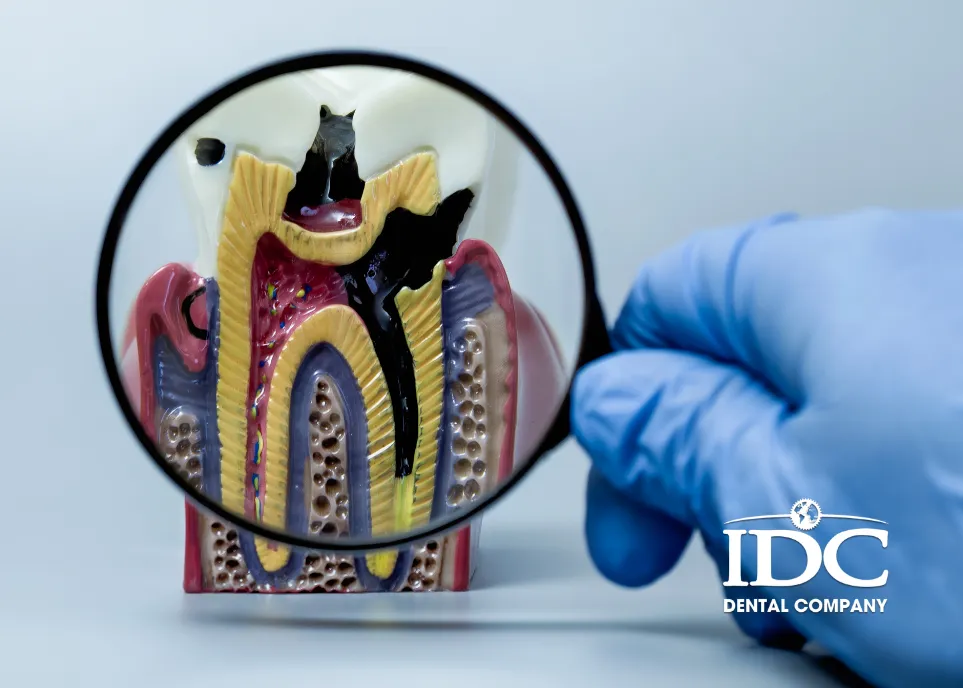
A dental cavity is essentially a hole in your tooth caused by decay. This process begins when harmful bacteria in the mouth produce acids that erode the tooth enamel. Several factors contribute to this condition:
- Frequent consumption of sugary or acidic foods
- Poor oral hygiene habits (not brushing or flossing regularly)
- Plaque buildup on teeth
- Dry mouth (reduced saliva flow)
Common Symptoms of Cavities
Early detection is key. Some common signs include:
- Tooth sensitivity to hot, cold, or sweet foods
- Sharp pain when biting or chewing
- Visible holes or dark spots on teeth
- Persistent bad breath
What Happens If Cavities Are Left Untreated?
Ignoring a cavity can lead to:
- Deep infection reaching the tooth pulp
- Need for root canal treatment
- Tooth fracture or complete tooth loss
- Spread of infection to surrounding tissues
Overview of Dental Cavity Treatments
When it comes to treating cavities, dentists choose the method based on:
- The size and depth of decay
- The location of the affected tooth
- The patient’s budget and aesthetic preferences
The three most common solutions are:
- Fillings (for small cavities)
- Inlays (for moderate damage)
- Onlays (for larger areas of decay)
Dental Fillings in Da Nang
What Are Dental Fillings?
Dental fillings are the most basic and widely used treatment for cavities. The decayed portion of the tooth is removed and replaced with a filling material to restore its structure and function.
Types of Fillings Available
In Da Nang, clinics offer several types:
- Composite resin (tooth-colored) – Most popular for aesthetics
- Amalgam (silver) – Durable but less aesthetic
- Glass ionomer – Often used for children or temporary fillings
Procedure for Getting a Filling
The process is simple and usually completed in one visit:
- Examination and X-rays
- Removal of decayed tissue
- Cleaning the cavity
- Filling placement
- Polishing and bite adjustment
Pros and Cons of Fillings
Pros:
- Affordable
- Quick procedure
- Minimally invasive
Cons:
- Less durable for large cavities
- May need replacement over time
Cost of Dental Fillings in Da Nang
Compared to Western countries, prices in Da Nang are significantly lower:
- Da Nang: $20 – $80 per filling
- Australia/USA: $150 – $400+
Inlays – A Stronger Alternative to Fillings
What Is a Dental Inlay?
An inlay is a custom-made restoration designed to fit inside the grooves of a tooth. It is used when the cavity is too large for a filling but not severe enough for a crown.
When Are Inlays Recommended?
- Moderate tooth decay
- Damage between cusps (chewing surfaces)
- When extra strength is needed
Materials Used for Inlays
- Porcelain (most aesthetic)
- Composite resin
- Gold (very durable but less common today)
Benefits of Inlays
- Stronger and longer-lasting than fillings
- Better fit due to custom fabrication
- More resistant to wear and staining
Inlay Procedure in Da Nang Clinics
Typically requires two visits:
- Tooth preparation and impression
- Fabrication in a dental lab
- Bonding the inlay to the tooth
Onlays – Partial Crowns for Severe Damage
What Is a Dental Onlay?
An onlay is similar to an inlay but covers one or more cusps of the tooth. It’s often referred to as a “partial crown.”
When Do You Need an Onlay?
- Large cavities
- Cracked or weakened teeth
- When a filling or inlay is insufficient
Onlay vs Crown – What’s the Difference?
- Onlay: Preserves more of the natural tooth
- Crown: Covers the entire tooth
Advantages of Onlays
- Excellent durability
- Protects the tooth structure
- Natural appearance (especially porcelain)
Fillings vs Inlays vs Onlays – Which Is Best?
Key Differences
| Feature | Fillings | Inlays | Onlays |
|---|---|---|---|
| Damage size | Small | Medium | Large |
| Durability | Moderate | High | Very high |
| Cost | Low | Medium | Higher |
| Aesthetics | Good | Excellent | Excellent |
How Dentists Decide
Dentists in Da Nang use:
- Clinical examination
- Digital X-rays
- Patient goals (budget & aesthetics)
Cost Comparison in Da Nang vs Other Countries
One of the biggest reasons patients choose Da Nang is cost:
- Fillings: $20 – $80 (Da Nang) vs $150 – $400 (US/AU)
- Inlays/Onlays: $150 – $400 vs $800 – $1500+
Despite lower prices, clinics maintain international standards, making Da Nang a destination for dental tourism.
Why Choose Da Nang for Dental Cavity Treatment?
Advanced Technology and Equipment
Modern clinics use digital X-rays, CAD/CAM systems, and high-quality materials.
Experienced English-Speaking Dentists
Many dentists are trained internationally and communicate fluently in English.
Affordable Prices
Significant savings without compromising quality.
Ideal for Dental Tourism
Patients can combine treatment with a relaxing vacation in one of Vietnam’s most beautiful coastal cities.
Dental Clinics for Cavity Treatment in Da Nang
IDC Da Nang Dental Clinic
If you’re looking for a trusted clinic, IDC Da Nang Dental stands out for:
- Modern facilities and sterilization standards
- Experienced dentists specializing in restorative dentistry
- High-quality materials (composite, porcelain, etc.)
- Dedicated support for international patients
Whether you need a simple filling or a more advanced inlay/onlay, IDC provides personalized treatment plans tailored to your needs.
How to Prevent Cavities in the Future
Daily Oral Hygiene Tips
- Brush twice a day with fluoride toothpaste
- Floss daily
- Use antibacterial mouthwash
Regular Dental Checkups
Visit your dentist every 6 months for early detection.
Diet and Lifestyle Changes
- Reduce sugar intake
- Avoid frequent snacking
- Drink plenty of water
FAQs About Dental Cavity Treatment
Is cavity treatment painful?
No. Modern techniques and local anesthesia make the procedure virtually painless.
How long does treatment take?
- Fillings: 30–60 minutes
- Inlays/Onlays: 2 visits over a few days
Can cavities come back?
Yes, if oral hygiene is poor. Regular care is essential.
Which is better: filling or inlay?
It depends on the size of the cavity. Inlays are better for larger damage.
 WhatsApp