How long do porcelain crowns last? This is one of the most common questions patients ask before deciding to restore a damaged or weakened tooth with a dental crown. Since porcelain crowns are designed to improve both oral function and smile aesthetics, many people naturally want to know whether the treatment is truly durable enough for long-term use.
Modern porcelain crowns are much stronger and more advanced than they were years ago. With proper materials, skilled dental work, and good oral hygiene, many crowns can remain functional and beautiful for 10–20 years or even longer.
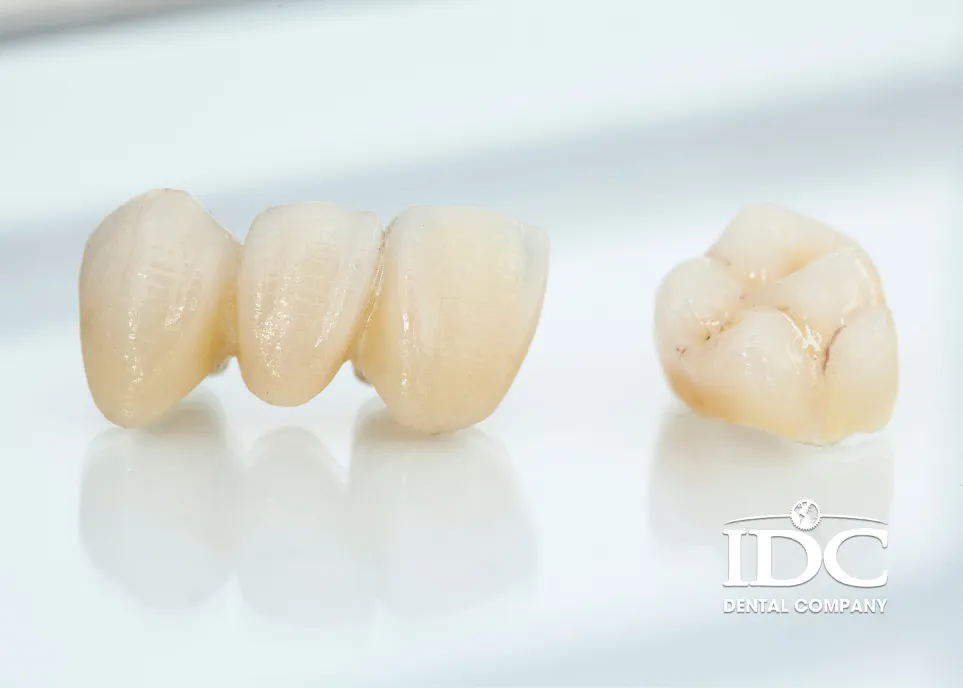
In this guide, you will discover what affects the lifespan of porcelain crowns, how to maintain them properly, common reasons crowns fail, and what patients can do to maximize their durability.
What is a Porcelain Crown?
A porcelain crown is a custom-made dental cap that completely covers a damaged or weakened tooth. It is used to restore:
- Tooth strength
- Shape
- Function
- Appearance
Porcelain crowns are one of the most popular restorative and cosmetic dental treatments because they closely resemble natural teeth.
Modern crowns are commonly recommended for:
- Broken teeth
- Cracked teeth
- Large cavities
- Root canal-treated teeth
- Worn-down teeth
- Cosmetic smile improvement
Unlike removable dentures, porcelain crowns are fixed permanently onto the tooth, allowing patients to eat, speak, and smile normally.
How long do porcelain crowns last?
On average, porcelain crowns last between 10 and 15 years.
However, this is only a general estimate. In reality:
- Some crowns may fail earlier due to poor care or heavy grinding
- Many high-quality crowns can last 20 years or longer
Some patients even keep their crowns for decades without needing replacement.
The longevity of porcelain crowns depends heavily on:
- Crown material
- Dentist expertise
- Bite pressure
- Oral hygiene
- Lifestyle habits
This means two patients with the same crown may experience completely different results.
Can porcelain crowns last a lifetime?
Technically, yes—but it is rare.
A porcelain crown can potentially last a lifetime if:
- The crown is made from premium materials
- The dentist performs the procedure correctly
- The patient maintains excellent oral hygiene
- There is no excessive grinding or trauma
However, crowns still experience years of daily pressure from:
- Chewing
- Temperature changes
- Teeth grinding
- Acidic foods
- Natural wear
Over time, crowns may eventually require repair or replacement.
For most patients, expecting a lifespan of 10–20 years is realistic.
Factors that affect how long porcelain crowns last
Not all crowns wear out at the same rate. Several important factors influence durability.
Crown Material Quality
The type of material used plays a major role in longevity.
Zirconia Crowns
Zirconia is one of the strongest crown materials available today.
Advantages:
- Extremely durable
- Highly resistant to fractures
- Excellent for back teeth
Zirconia crowns often last longer than traditional porcelain crowns.
E-Max Crowns
E-Max crowns are highly aesthetic and popular in cosmetic dentistry.
Advantages:
- Natural translucency
- Beautiful appearance
- Good durability
They are especially suitable for front teeth, where aesthetics matter most.
Full Porcelain Crowns
Traditional porcelain crowns offer excellent aesthetics but may be slightly less durable than zirconia in high-pressure areas.
Porcelain Fused to Metal (PFM)
PFM crowns combine porcelain with a metal base.
Advantages:
- Strong structure
- Long-lasting support
Disadvantages:
- The metal edge may appear over time
- Less natural aesthetics
Dentist skill and crown precision
Even the best materials can fail if the crown is poorly designed or incorrectly placed.
An experienced cosmetic dentist ensures:
- Proper tooth preparation
- Accurate bite alignment
- Secure crown fit
- Strong bonding
Poorly fitted crowns may lead to:
- Bite discomfort
- Cracks
- Loose crowns
- Decay underneath the crown
This is why choosing a reputable dental clinic is extremely important.
Oral hygiene habits
Good oral hygiene is one of the biggest factors affecting crown lifespan.
Although porcelain itself cannot decay, the natural tooth underneath the crown still can.
Poor brushing and flossing may cause:
- Tooth decay around crown margins
- Gum disease
- Crown loosening
- Infection
To protect your crown:
- Brush twice daily
- Floss carefully around the crown
- Use antibacterial mouthwash
- Visit your dentist regularly
Teeth grinding (Bruxism)
Teeth grinding places enormous pressure on crowns.
Over time, grinding can cause:
- Chipping
- Cracking
- Crown wear
- Tooth pain
Patients who grind their teeth at night should wear a custom night guard to protect their restorations.
Without protection, even strong zirconia crowns may eventually become damaged.
Eating habits
Your daily diet can significantly affect crown longevity.
Habits that increase risk include:
- Chewing ice
- Biting hard candy
- Opening packages with teeth
- Eating extremely hard foods regularly
Sticky foods may also place stress on crowns over time.
Patients with crowns should treat them similarly to natural teeth and avoid excessive force.
Gum health
Healthy gums are essential for crown stability.
Gum recession may expose crown margins, increasing:
- Sensitivity
- Bacteria buildup
- Risk of decay
- Cosmetic problems
Periodontal disease can also weaken the supporting tooth structure underneath the crown.
Regular cleanings help maintain healthy gums and extend crown lifespan.
Signs your porcelain crown may need replacement
Even durable crowns eventually wear out.
Here are common signs that a crown may need attention:
Cracks or chips
Small chips may sometimes be repaired, but larger fractures often require replacement.
Loose crown
A loose crown can allow bacteria to enter underneath, causing decay or infection.
This should be treated immediately.
Pain or sensitivity
Pain beneath a crown may indicate:
- Decay
- Infection
- Bite problems
- Nerve irritation
Gum recession
If gums recede significantly, the crown margin may become visible and less aesthetic.
Crown wear or discoloration
Older crowns may lose their appearance after many years of use.
What causes porcelain crowns to fail?
Although porcelain crowns are highly durable, several factors may shorten their lifespan.
Tooth decay under the crown
This is one of the most common causes of crown failure.
Bacteria can enter around the crown margins if oral hygiene is poor.
Trauma or accidents
Sports injuries, falls, or biting hard objects can crack crowns.
Poor bite alignment
Uneven pressure may stress the crown excessively.
Low-Quality materials
Cheap materials may wear out faster or fracture more easily.
Inexperienced dental work
Improperly designed crowns are far more likely to fail prematurely.
How to make porcelain crowns last longer
Patients can significantly extend crown lifespan by following a few important habits.
Maintain excellent oral hygiene
Brush and floss consistently to protect the natural tooth underneath.
Visit your dentist regularly
Routine checkups allow dentists to detect problems early before serious damage occurs.
Wear a night guard
If you grind your teeth, a night guard can dramatically reduce stress on crowns.
Avoid harmful habits
Avoid:
- Ice chewing
- Nail biting
- Using teeth as tools
Choose a High-Quality Dental Clinic
Long-lasting results begin with:
- Skilled dentists
- Advanced technology
- Premium materials
- Proper treatment planning
Are Porcelain Crowns Worth It?
For most patients, absolutely yes.
Porcelain crowns provide:
- Long-term protection
- Excellent aesthetics
- Improved chewing function
- Smile confidence
- Preservation of natural teeth
Although crowns require an upfront investment, they can help patients avoid:
- Tooth extraction
- Larger restorations
- More expensive future treatments
High-quality crowns are often much more cost-effective in the long run than repeatedly repairing damaged teeth.
Why do many international patients choose Vietnam for porcelain crowns
Vietnam has become one of Asia’s top dental tourism destinations.
Patients from:
- Australia
- USA
- Canada
- UK
often travel to Vietnam for affordable cosmetic and restorative dentistry.
Advantages include:
- Modern dental technology
- Experienced cosmetic dentists
- International-quality materials
- Significantly lower prices
Many patients can save 50–80% compared to treatment costs in Western countries.
Cities like Da Nang and Ho Chi Minh City are especially popular for dental tourism.

 WhatsApp