
Who needs a Porcelain dental crown? This is a question many patients ask after visiting the dentist and hearing that a simple filling may no longer be enough to protect their tooth. While crowns are commonly associated with severely damaged teeth, they are also used to restore strength, function, and appearance before dental problems become more serious.
Porcelain crowns are often recommended for teeth that are cracked, weakened, heavily filled, worn down, or cosmetically compromised. By covering and protecting the entire tooth, crowns help prevent further damage while restoring a natural-looking smile.
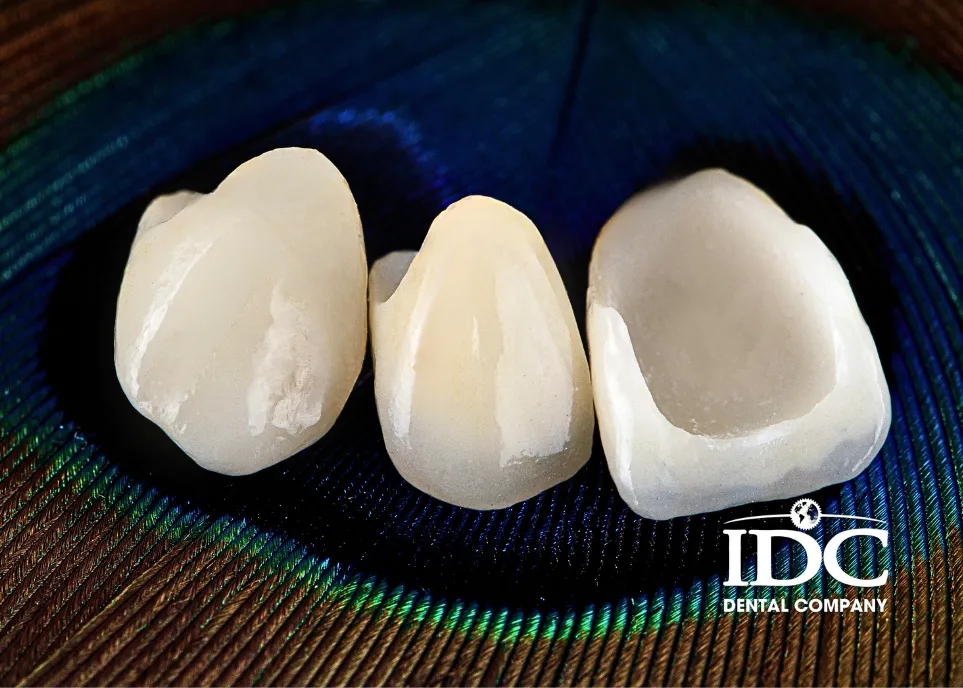
In this guide, you will discover the most common dental conditions that require porcelain crowns, the warning signs dentists look for, and how crowns can help preserve long-term oral health.
What is a Porcelain dental crown?
A Porcelain dental crown is a custom-made cap that completely covers a damaged or weakened tooth. Its purpose is to restore:
- Strength
- Shape
- Function
- Appearance
Unlike fillings that only repair part of the tooth, a crown protects the entire visible surface of the tooth.
Modern porcelain crowns are popular because they:
- Closely resemble natural teeth
- Provide strong protection
- Resist stains
- Improve smile aesthetics
Porcelain crowns may be made from:
- Full ceramic
- Zirconia
- E-Max porcelain
- Porcelain fused to metal (PFM)
The type used depends on the location of the tooth, bite force, and cosmetic goals.
Who Typically Needs a Porcelain dental crown?
Not every damaged tooth requires a crown. However, crowns are usually recommended when the tooth has become too weak for a filling or requires full structural support.
Patients who commonly need porcelain crowns include:
- People with cracked teeth
- Patients after root canal treatment
- Individuals with severe tooth decay
- People with large old fillings
- Patients with worn-down teeth
- Individuals seeking cosmetic smile improvement
Crowns are often used to preserve natural teeth and prevent more serious complications later.
Cracked Teeth
One of the most common reasons dentists recommend porcelain crowns is cracked teeth.
Tooth cracks can happen because of:
- Biting hard foods
- Teeth grinding
- Accidents or trauma
- Sudden pressure changes
- Aging teeth
A crack may begin very small but gradually worsen over time.
Common symptoms include:
- Pain while chewing
- Sensitivity to hot or cold
- Sharp discomfort when biting
If left untreated, the crack may spread deeper into the tooth, potentially leading to:
- Infection
- Severe pain
- Tooth fracture
- Tooth loss
A porcelain dental crown helps hold the tooth together and prevents the crack from expanding further.
Broken or Fractured Teeth
Teeth that are chipped, broken, or fractured often require crown protection.
Minor chips may sometimes be repaired with bonding or fillings, but larger fractures usually weaken the tooth significantly.
A porcelain crown restores:
- Structural stability
- Chewing ability
- Tooth appearance
Without proper protection, broken teeth may continue deteriorating until extraction becomes necessary.
Large Cavities or Severe Decay
Small cavities can often be treated with fillings. However, when tooth decay becomes extensive, the remaining tooth structure may become too weak to support a regular filling.
Large fillings may leave thin tooth walls vulnerable to fractures.
In these situations, a crown provides:
- Full coverage protection
- Better bite resistance
- Long-term stability
Crowns are particularly important when decay affects:
- Back molars
- Teeth under heavy chewing pressure
- Multiple tooth surfaces
Teeth After Root Canal Treatment
Root canal-treated teeth are among the most common candidates for crowns.
Although root canal treatment removes infection and saves the tooth, the tooth itself becomes weaker afterward.
This happens because:
- The nerve and blood supply are removed
- Internal tooth structure may be lost
- The tooth becomes more brittle over time
Without a crown, root canal-treated teeth are at higher risk of cracking.
A porcelain dental crown strengthens and protects the tooth while restoring normal chewing function.
Many dentists strongly recommend crowns after root canal treatment, especially for molars and premolars.
Worn-Down Teeth
Some patients gradually wear down their teeth over many years.
Common causes include:
- Teeth grinding (bruxism)
- Acid erosion
- Aggressive brushing
- Aging
- Acidic diets
Severely worn teeth may appear:
- Shorter
- Flat
- Sensitive
- Uneven
Patients may also experience:
- Jaw discomfort
- Bite problems
- Difficulty chewing
Porcelain crowns help rebuild the original tooth shape and restore proper bite function.
In full-mouth rehabilitation cases, crowns are often used to completely reconstruct damaged smiles.
Cosmetic Dental Problems
Porcelain crowns are not only restorative—they are also highly aesthetic.
Some patients choose crowns for cosmetic reasons, such as:
- Severe discoloration
- Misshapen teeth
- Uneven teeth
- Smile asymmetry
- Old, unattractive dental work
Modern crowns are customized to match:
- Tooth color
- Shape
- Smile proportions
- Facial harmony
This makes them a popular option in smile makeover treatments.
For patients with both cosmetic and structural issues, crowns can dramatically improve smile appearance and confidence.
Weak Teeth with Large Fillings
Teeth that have multiple large fillings often become structurally unstable.
Over time:
- Fillings may leak
- Tooth walls weaken
- Cracks develop
- Repeated repairs become necessary
Eventually, a crown may become the safest long-term solution.
Instead of continuously replacing large fillings, crowns provide full protection and reduce the risk of future fractures.
Dental Implant Restorations
Porcelain crowns are also used on dental implants.
After an implant is placed into the jawbone, a crown is attached on top to replace the missing tooth.
Implant crowns are designed to:
- Look natural
- Restore chewing ability
- Match the surrounding teeth
Although implant crowns differ slightly from crowns placed on natural teeth, they use similar porcelain materials and aesthetic techniques.
Signs you may need a Porcelain dental crown
Many patients ignore early warning signs until the tooth becomes severely damaged.
Common signs that may indicate you need a crown include:
- Pain while chewing
- Cracked or broken teeth
- Large old fillings
- Tooth sensitivity
- Worn-down teeth
- Repeated tooth fractures
- Cosmetic dissatisfaction
- Weak teeth after root canal treatment
If you notice these symptoms, early evaluation may help save the tooth before more extensive treatment becomes necessary.
When a Porcelain Crown May NOT Be Necessary
Not every dental problem requires a crown.
In some cases, alternatives may be more appropriate.
Small Cavities
Minor decay can usually be treated with fillings.
Minor Cosmetic Problems
For small cosmetic corrections, veneers or bonding may be sufficient.
Healthy Teeth
Dentists should avoid unnecessary crown preparation on healthy teeth whenever possible.
A conservative treatment approach is always preferred when appropriate.
Porcelain Crowns vs Other Dental Treatments
Patients often wonder how crowns compare to other restorative options.
Crown vs Filling
Fillings repair smaller damaged areas.
Crowns provide:
- Full tooth coverage
- Better strength
- Greater protection for weakened teeth
When too much tooth structure is lost, crowns are often safer than large fillings.
Crown vs Veneers
Veneers cover only the front surface of the tooth and are mainly cosmetic.
Crowns cover the entire tooth and provide structural reinforcement.
Crowns are usually recommended when:
- Teeth are weak
- Cracked
- Severely damaged
Crown vs Dental Implant
A crown saves and protects a natural tooth.
An implant replaces a missing tooth entirely.
Whenever possible, preserving the natural tooth with a crown is usually preferred.
Benefits of Porcelain Crowns
Porcelain crowns offer many important advantages.
Restores Tooth Strength
Crowns reinforce weak teeth and reduce fracture risk.
Improves Smile Appearance
Modern crowns look highly natural and aesthetic.
Protects Teeth Long-Term
Crowns prevent further structural damage.
Comfortable Function
Patients can chew and speak normally again.
Long Lifespan
With proper care, many crowns last 10–15 years or longer.
Risks of Delaying a Needed Crown
Some patients postpone treatment because they are afraid of the cost or dental procedures.
Unfortunately, delaying a necessary crown can worsen the situation.
Potential risks include:
- Larger tooth fractures
- Severe infection
- Root canal treatment
- Tooth extraction
- More expensive future treatment
Early treatment is often simpler and more affordable than waiting until the tooth becomes severely damaged.
Why Many International Patients Choose Vietnam for Porcelain Crowns
Vietnam has become one of Asia’s top dental tourism destinations for cosmetic and restorative dentistry.
International patients choose Vietnam because of:
- Affordable pricing
- Modern technology
- Skilled cosmetic dentists
- High-quality porcelain materials
Many clinics now offer:
- Digital smile design
- CAD/CAM crown fabrication
- English-speaking staff
- International treatment standards
Patients from Australia, the USA, Canada, and Europe often combine dental treatment with travel experiences in cities like Da Nang and Ho Chi Minh City.
Final Thoughts
So, who needs a porcelain crown?
Porcelain crowns are commonly recommended for patients with:
- Cracked teeth
- Broken teeth
- Large cavities
- Root canal-treated teeth
- Worn-down teeth
- Cosmetic smile concerns
Modern crowns are designed to restore both function and aesthetics while protecting teeth from long-term damage.
If your dentist recommends a crown, it is usually because the tooth requires more support than a simple filling can provide. Early treatment can help preserve your natural tooth, improve your smile, and prevent more serious dental problems in the future.
Choosing an experienced dental clinic and high-quality materials is essential for achieving strong, natural-looking, and long-lasting results.



 WhatsApp