Dental Veneers are one of the most popular cosmetic dental treatments for achieving a brighter, more attractive smile. They can improve tooth color, shape, spacing, and overall smile symmetry while maintaining a natural appearance.
However, many patients wonder when veneers are actually necessary. In reality, dentists often recommend veneers when treatments like whitening, bonding, or orthodontics cannot fully correct cosmetic issues such as severe discoloration, chipped teeth, worn enamel, uneven shapes, or small gaps.
Generally, dental veneers are ideal for patients with multiple aesthetic concerns but healthy underlying tooth structure. They provide a long-lasting and highly aesthetic smile makeover while preserving much of the natural teeth.
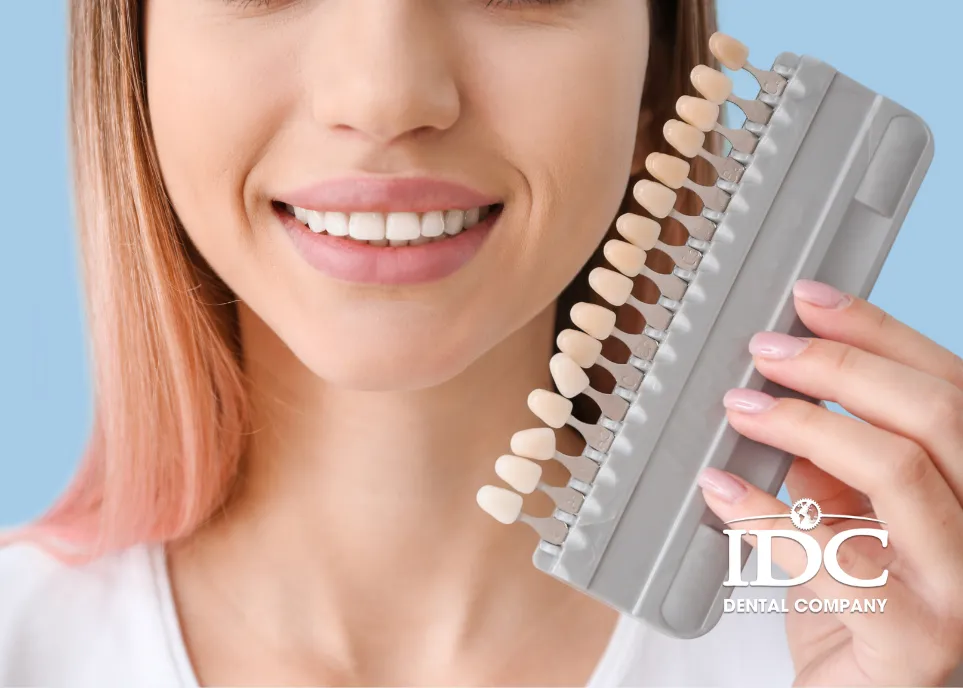
In this article, you will learn when dental veneers may be necessary and how dentists determine whether veneers are the right solution for your smile.
What Are Dental Veneers?
Dental veneers are thin ceramic shells custom-designed to cover the front surface of teeth. They are bonded permanently to improve the appearance of the smile while preserving much of the natural tooth structure.
Modern veneers are created using advanced ceramic materials that closely mimic natural enamel. High-quality veneers can look extremely realistic because they reflect light similarly to natural teeth.
Dental veneers are commonly used to improve:
- Tooth discoloration
- Chipped teeth
- Uneven shapes
- Small gaps
- Mild misalignment
- Worn enamel
- Smile symmetry
Unlike dental crowns, veneers only cover the visible front surface of teeth rather than the entire tooth structure.
This makes veneers a more conservative cosmetic treatment in many cases.
When Are Dental Veneers Necessary?
Severe Tooth Discoloration That Whitening Cannot Fix
One of the most common situations where porcelain veneers become necessary is severe discoloration that does not respond well to professional whitening.
Some stains develop deep inside the tooth structure and cannot be removed effectively through bleaching treatments.
Examples include:
- Tetracycline staining
- Fluorosis
- Trauma-related discoloration
- Genetic enamel defects
Patients with these conditions often notice that whitening treatments produce:
- Uneven brightness
- Minimal improvement
- Patchy color
- Unsatisfactory results
In these situations, veneers become necessary because they completely cover the stained tooth surface and create a brighter, more uniform smile.
Porcelain veneers also offer excellent stain resistance, helping patients maintain long-term cosmetic results.
Chipped, Cracked, or Worn Front Teeth
Minor damage to front teeth can significantly affect smile aesthetics.
Teeth may become chipped, cracked, or worn due to:
- Accidents
- Sports injuries
- Teeth grinding
- Aging
- Nail biting
- Hard food habits
While dental bonding can sometimes repair small chips temporarily, veneers are often recommended when:
- Multiple teeth are affected
- Damage is extensive
- Long-term durability is desired
- Smile symmetry needs improvement
Porcelain veneers restore the original tooth shape while strengthening the visible enamel surface and improving overall smile aesthetics.
For many patients, veneers provide a more durable and natural-looking solution than composite bonding.
Irregular Tooth Shape or Size
Some people naturally have teeth that appear:
- Too small
- Uneven
- Short
- Misshapen
- Disproportionate
A common example is peg lateral incisors, where the side front teeth are noticeably smaller than the surrounding teeth.
Even perfectly white teeth may still look unattractive if the proportions are unbalanced.
Whitening treatments cannot change tooth shape or proportions. This is why veneers often become necessary for improving smile symmetry and facial harmony.
Porcelain veneers allow cosmetic dentists to redesign:
- Tooth width
- Tooth length
- Tooth contours
- Surface texture
- Smile balance
This is one reason veneers are commonly used in complete smile makeover procedures.
Mildly Crooked or Uneven Teeth
Another situation where porcelain veneers may become necessary is mild tooth misalignment.
Some patients want straighter-looking teeth but prefer to avoid braces or Invisalign.
In carefully selected cases, veneers can create the appearance of a straighter smile by reshaping the visible surfaces of teeth. This approach is often referred to as “instant orthodontics.”
Veneers may help improve:
- Mild crowding
- Slight tooth rotations
- Minor overlapping
- Uneven front teeth
However, veneers are only appropriate for cosmetic alignment correction when bite function remains stable.
Patients with severe crowding, major bite issues, or jaw discrepancies may still require orthodontic treatment first.
Gaps Between Teeth
Teeth whitening cannot close spaces between teeth.
Patients with small or moderate gaps often require veneers when they want:
- Better smile symmetry
- Improved tooth proportions
- Elimination of visible spaces
Porcelain veneers can visually close gaps while simultaneously improving:
- Tooth color
- Shape
- Alignment appearance
This makes veneers a highly effective cosmetic solution for patients with spacing issues affecting front teeth.
Worn Enamel or Tooth Erosion
Enamel erosion is becoming increasingly common due to:
- Acidic beverages
- Acid reflux
- Teeth grinding
- Aging
- Poor dietary habits
When enamel becomes worn, teeth may appear:
- Shorter
- Flattened
- More yellow
- Uneven
- Older-looking
In severe cases, whitening alone cannot restore a youthful smile because the underlying tooth structure has already been damaged.
Porcelain veneers become necessary when dentists need to rebuild:
- Tooth length
- Surface structure
- Smile proportions
- Protective enamel coverage
Veneers can restore a more youthful and healthy appearance while protecting weakened tooth surfaces.
Patients Seeking a Complete Smile Makeover
Some patients have multiple cosmetic concerns occurring at the same time.
For example:
- Severe discoloration
- Uneven teeth
- Gaps
- Worn enamel
- Minor crowding
In these cases, veneers may become the most efficient comprehensive solution because they can correct several issues simultaneously.
Porcelain veneers are commonly recommended for patients seeking:
- Hollywood smile design
- Full smile transformation
- Celebrity-style aesthetics
- Dramatic cosmetic improvement
This is one reason veneers remain one of the most requested cosmetic dental procedures worldwide.
Situations Where Veneers May NOT Be Necessary
Although veneers are highly effective, they are not always required.
Mild Surface Staining
If discoloration is mild and limited to surface stains from:
- Coffee
- Tea
- Smoking
- Wine
Professional whitening may be sufficient.
Healthy Teeth with Good Shape
Patients who already have healthy tooth structure and balanced smile proportions may only need whitening or minor cosmetic enhancement.
Minor Cosmetic Imperfections
Small chips or localized defects may sometimes be corrected using composite bonding instead of veneers.
Severe Orthodontic Problems
Patients with major crowding or bite instability may require orthodontic treatment before considering veneers.
How Dentists Determine If Veneers Are Necessary
Choosing veneers requires careful evaluation.
Comprehensive Oral Examination
Dentists assess:
- Tooth health
- Gum condition
- Existing restorations
- Enamel thickness
- Bite function
Smile Analysis
Cosmetic dentists evaluate:
- Facial symmetry
- Tooth proportions
- Smile line
- Lip position
- Tooth visibility
The goal is to create natural-looking harmony rather than artificial perfection.
Bite Evaluation
An unstable bite can shorten veneer lifespan.
Dentists analyze:
- Occlusion
- Jaw movement
- Teeth grinding habits
- Bite pressure distribution
Digital Smile Design
Modern cosmetic clinics often use digital smile design technology to preview results before treatment begins.
This helps patients visualize:
- Smile proportions
- Tooth shape
- Final appearance
before committing to veneers.
Benefits of Porcelain Veneers
Natural-Looking Aesthetics
Modern porcelain mimics the translucency and texture of natural enamel extremely well.
Long-Term Durability
With proper care, veneers may last:
- 10 years
- 15 years
- Even 20 years in some cases
Stain Resistance
Porcelain resists staining better than natural teeth.
Multiple Problems Solved at Once
Veneers improve:
- Color
- Shape
- Size
- Symmetry
- Minor alignment appearance
within one treatment plan.
Risks of Getting Veneers Unnecessarily
Despite their advantages, veneers should not be used unnecessarily.
Irreversible Enamel Removal
A small amount of enamel is usually permanently removed.
Higher Cost
Veneers are significantly more expensive than whitening or bonding.
Risk of Poor Cosmetic Work
Inexperienced cosmetic dentistry may lead to:
- Bulky veneers
- Artificial appearance
- Gum irritation
- Bite problems
This is why choosing an experienced cosmetic dentist is extremely important.


 WhatsApp