
How long do veneers last? This is one of the most common questions patients ask before investing in a smile makeover. Veneers are known for delivering instant aesthetic transformation—whiter, straighter, and more symmetrical teeth—but many patients worry about durability. Will they last 5 years, 10 years, or a lifetime?
The truth is, veneers don’t last forever—but they can last a very long time when done correctly and maintained properly. The lifespan depends on several factors, including the material used, the dentist’s skill, and your daily habits.
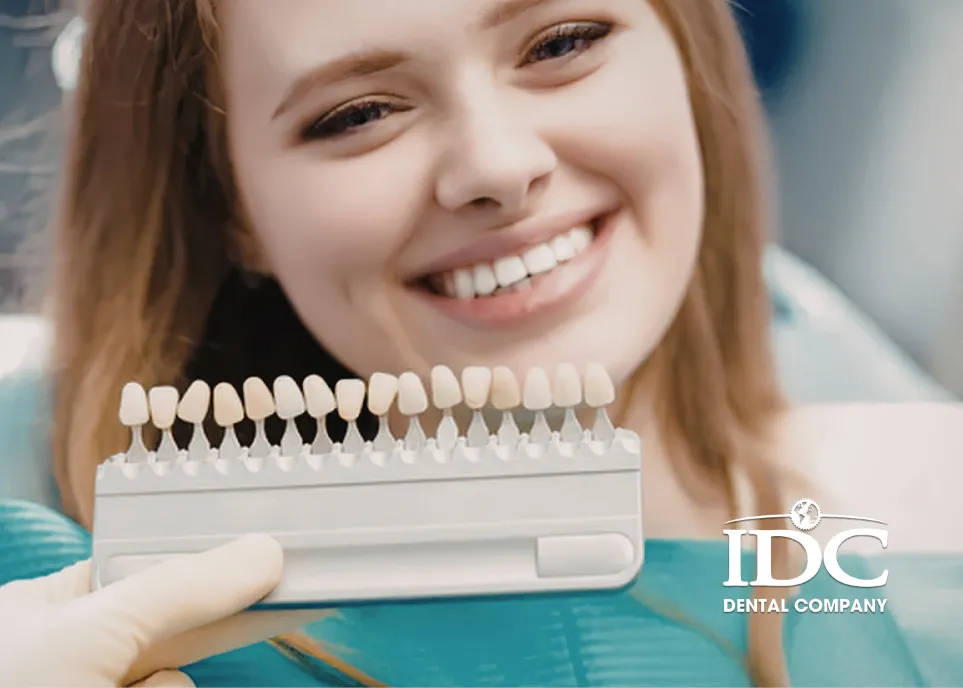
In this comprehensive guide, we’ll break down real case results, compare porcelain vs composite veneers, and give you expert-backed tips to maximize your investment.
What Are Dental Veneers?
Definition and Purpose
Dental veneers are thin shells made of porcelain or composite resin that are bonded to the front surface of teeth. They are designed to improve appearance by correcting:
- Discoloration
- Chipped or worn teeth
- Gaps between teeth
- Minor misalignment
Types of Veneers
Porcelain Veneers
- Made from high-quality ceramic
- Highly durable and stain-resistant
- Natural tooth-like appearance
Composite Veneers
- Made from resin material
- More affordable
- Faster procedure (often same-day)
Why Patients Choose Veneers
Patients often choose veneers because they:
- Provide instant aesthetic improvement
- Require minimal tooth reduction
- Deliver long-lasting results compared to whitening or bonding
How Long Do Veneers Last on Average?
Porcelain Veneers Lifespan
Porcelain veneers typically last:
=> 10–15 years on average
=> With proper care: 15–20 years or more
Composite Veneers Lifespan
Composite veneers generally last:
=> 5–7 years
=> With excellent care: up to 8–10 years
Quick Comparison
| Type | Average Lifespan | Durability | Maintenance |
|---|---|---|---|
| Porcelain | 10–15 years | High | Low |
| Composite | 5–7 years | Medium | Moderate |
Real Case Analysis – How Long Veneers Actually Last
To truly understand veneer longevity, let’s look at real-world scenarios.
Case 1: 5-Year Result (Porcelain Veneers)
A patient who received porcelain veneers maintained excellent oral hygiene and avoided hard foods. After 5 years:
- Veneers remained bright and intact
- No visible wear
- No need for replacement
=> Conclusion: Proper care can preserve veneers almost like new.
Case 2: 10-Year Result (Mixed Condition)
Another patient had veneers for 10 years, but:
- Consumed coffee daily
- Occasionally skipped dental checkups
Results:
- Slight discoloration at edges
- Minor wear on biting surfaces
=> Conclusion: Lifestyle habits significantly affect longevity.
Case 3: 15+ Years Result (Replacement Needed)
A long-term case showed:
- Gum recession exposing margins
- Veneers are still intact, but aesthetically outdated
=> Conclusion: Even high-quality veneers may need replacement after 15–20 years.
Key Takeaways from Real Cases
- Veneers don’t fail suddenly—they gradually wear
- Maintenance and habits matter more than brand
- Regular dental visits can extend lifespan significantly
Factors That Affect Veneer Lifespan
1. Quality of Material
Higher-quality porcelain veneers:
- Resist staining better
- Maintain the structure longer
Cheaper materials may:
- Chip more easily
- Lose shine over time
2. Dentist Skill and Technique
The most important factor is the dentist’s expertise:
- Proper tooth preparation
- Accurate bonding technique
- Correct bite alignment
Poor technique can drastically shorten lifespan.
3. Oral Hygiene Habits
Daily care plays a huge role:
- Brushing twice daily
- Flossing
- Using non-abrasive toothpaste
4. Bite Force & Habits
Habits that reduce lifespan:
- Teeth grinding (bruxism)
- Nail biting
- Chewing ice
5. Lifestyle Factors
- Coffee, tea, red wine → staining
- Smoking → discoloration
- Poor diet → gum health issues
Signs Your Veneers Need Replacement
Visible Damage
- Chips or cracks
Discoloration
- Especially with composite veneers
Gum Recession
- Exposed margins
Functional Issues
- Bite discomfort
- Loose feeling
How to Make Veneers Last Longer
Daily Care Routine
- Brush gently with a soft-bristle brush
- Floss daily
Avoid Bad Habits
- Don’t use teeth as tools
- Avoid hard foods
Regular Dental Checkups
- Every 6 months
Use a Night Guard
- Essential for patients who grind their teeth
Porcelain vs Composite Veneers – Which Lasts Longer?
Durability Comparison
Porcelain:
- Stronger
- More resistant to wear
Composite:
- Easier to repair
- Shorter lifespan
Cost vs Lifespan Analysis
Although porcelain veneers cost more upfront, they often:
=> Last twice as long
=> Require fewer replacements
Which One Should You Choose?
- Choose porcelain → long-term investment
- Choose composite → budget-friendly option
Cost vs Lifespan – Are Veneers Worth It?
Cost Per Year Calculation
Example:
- Porcelain veneers: $1,000 (last 15 years) → ~$66/year
- Composite veneers: $300 (last 5 years) → ~$60/year
=> Surprisingly similar long-term cost
Long-Term Value
Veneers are not just cosmetic—they:
- Improve confidence
- Enhance social and professional life
Veneers Lifespan in Vietnam vs Western Countries
Does Location Affect Quality?
Not necessarily. Many clinics in Vietnam offer:
- Modern equipment
- International standards
- Experienced dentists
Importance of Choosing the Right Clinic
Quality depends more on:
- Dentist experience
- Technology used
Dental Tourism Perspective
Patients from Australia and the US often travel to Vietnam because:
- Lower cost
- Comparable quality
- Opportunity to combine treatment with travel
Expert Opinion – How Long Should Veneers Last?
Most dentists agree:
- Porcelain veneers should last at least 10–15 years
- With ideal conditions, they can last 20+ years
Common Mistakes Patients Make
- Skipping dental visits
- Choosing cheap clinics
- Ignoring aftercare instructions
Final Verdict – How Long Do Veneers Really Last?
Summary
- Porcelain veneers: 10–15+ years
- Composite veneers: 5–7 years
Reality Check
=> Veneers are not permanent
=> But they are a long-term solution
Conclusion
With proper care, veneers can last:
– Over a decade
– Possibly two decades
=> Making them a worthwhile investment for most patients
FAQs About Veneer Lifespan
Do veneers last forever?
No, they eventually need replacement.
Can veneers fall off?
Rarely, but possible if bonding fails.
How often do veneers need replacing?
Typically, every 10–15 years for porcelain.
Are veneers high maintenance?
Not really—just standard oral hygiene and checkups.




 WhatsApp