
Who is a good candidate for teeth whitening? Many people dream of having a brighter, more confident smile, but not everyone will achieve the same results from teeth whitening.
While this popular cosmetic treatment can effectively remove stains and discoloration, its success depends on factors such as oral health, the cause of staining, and the condition of your teeth.
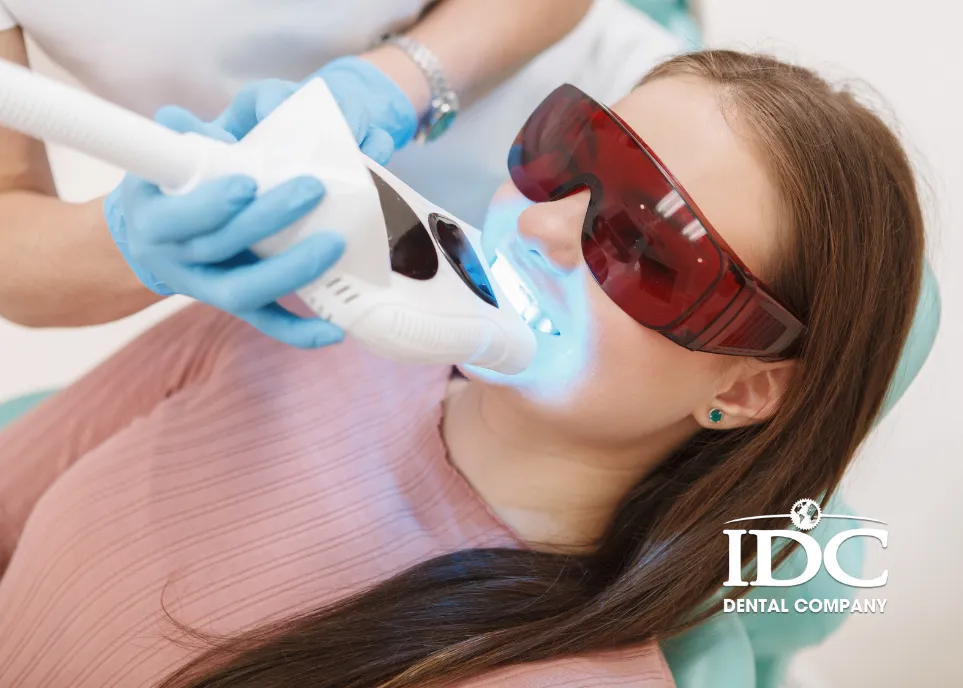
Understanding whether you are a good candidate for teeth whitening can help you choose the most effective treatment and achieve the best possible results.
What Is Teeth Whitening?
Teeth whitening is a cosmetic dental procedure designed to lighten the natural color of teeth and reduce stains or discoloration. Professional whitening treatments use safe bleaching agents such as hydrogen peroxide or carbamide peroxide to break down stain molecules and brighten the enamel.
Today, patients can choose from several whitening options, including:
- In-office professional whitening
- Dentist-supervised take-home whitening kits
- Over-the-counter whitening strips
- Whitening toothpaste and gels
Among these options, professional teeth whitening typically provides the fastest, safest, and most predictable results.
Who Is Considered a Good Candidate for Teeth Whitening?
Individuals with Healthy Teeth and Gums
The best candidates for teeth whitening are people with healthy teeth and gums. Before beginning any whitening treatment, dentists evaluate oral health to ensure there are no underlying issues such as tooth decay or gum disease.
Healthy teeth allow whitening agents to work effectively while minimizing the risk of discomfort or sensitivity.
People with Yellow-Stained Teeth
Tooth discoloration comes in various shades, but yellow teeth generally respond best to whitening treatments.
Over time, the outer enamel layer gradually wears away, exposing the naturally yellow dentin beneath. Professional whitening can significantly improve this type of discoloration and restore a brighter appearance.
Patients with mild to moderate yellow staining often achieve excellent whitening results.
Individuals with Surface Stains
Many people develop stains due to daily habits and dietary choices. These surface stains, known as extrinsic stains, are among the easiest to treat with whitening procedures.
Common causes include:
- Coffee
- Tea
- Red wine
- Cola beverages
- Smoking
- Tobacco products
- Dark-colored foods
If your teeth have become stained due to these factors, you may be an excellent candidate for professional whitening.
Adults Seeking Cosmetic Smile Improvements
Many adults choose teeth whitening to enhance their appearance and confidence.
Common reasons include:
- Upcoming weddings
- Job interviews
- Professional presentations
- Graduation ceremonies
- Social events
- Smile makeovers
A brighter smile can often create a more youthful and attractive appearance without requiring extensive dental procedures.
Who May Not Be an Ideal Candidate for Teeth Whitening?
Patients with Untreated Cavities
If you have untreated tooth decay, whitening should be postponed until the cavities are repaired.
Whitening agents can penetrate damaged tooth structures and cause increased sensitivity or discomfort.
Your dentist will typically recommend treating any cavities before proceeding with whitening treatment.
Individuals with Gum Disease
Patients experiencing gingivitis or periodontal disease should address these conditions before whitening.
Inflamed or infected gums may become irritated during whitening procedures. Treating gum disease first helps ensure a safer and more comfortable experience.
People with Severe Tooth Sensitivity
Some individuals naturally have highly sensitive teeth.
While professional whitening is generally safe, people with significant sensitivity may experience temporary discomfort during treatment.
In such cases, dentists may recommend:
- Desensitizing treatments
- Lower-concentration whitening agents
- Alternative cosmetic procedures
Patients with Dental Restorations
Teeth whitening only works on natural tooth enamel.
Dental restorations such as:
- Crowns
- Veneers
- Fillings
- Bridges
do not respond to whitening agents.
If visible restorations are present, whitening may create uneven color differences between natural teeth and restorations. A cosmetic consultation can help determine the best treatment approach.
Individuals with Internal Tooth Discoloration
Some types of discoloration originate within the tooth itself rather than on the surface.
Examples include:
- Trauma-related discoloration
- Tetracycline staining
- Fluorosis
- Developmental enamel defects
These conditions may not respond well to conventional whitening. In many cases, veneers, bonding, or crowns may provide better cosmetic results.
What Causes Tooth Discoloration?
Understanding the cause of discoloration can help determine whether whitening is appropriate.
Lifestyle Habits
Daily consumption of staining substances can gradually darken teeth.
Common contributors include:
- Coffee
- Tea
- Red wine
- Tobacco
- Dark sauces
- Colored beverages
Natural Aging
As we age, enamel becomes thinner, revealing more dentin underneath.
This natural process often causes teeth to appear darker or more yellow over time.
Medications and Medical Conditions
Certain medications can affect tooth color, including:
- Tetracycline antibiotics
- Some antihistamines
- Blood pressure medications
Medical conditions and treatments may also contribute to discoloration.
Poor Oral Hygiene
Inadequate brushing and flossing allow plaque and stains to accumulate on tooth surfaces, resulting in a dull or yellow appearance.
How Can a Dentist Determine If Teeth Whitening Is Right for You?
Comprehensive Oral Examination
Before whitening, your dentist will evaluate:
- Teeth
- Gums
- Existing restorations
- Overall oral health
This examination helps identify any issues that could affect treatment outcomes.
Identifying the Type of Discoloration
Different types of stains require different solutions.
Dentists assess whether discoloration is:
- Extrinsic (surface staining)
- Intrinsic (internal staining)
This helps determine whether whitening will be effective.
Creating a Personalized Treatment Plan
Every smile is unique.
Depending on your goals and dental condition, your dentist may recommend:
- Professional whitening
- Porcelain veneers
- Dental bonding
- Crowns
- Smile makeover procedures
Benefits of Professional Teeth Whitening
Faster Results
Professional treatments can significantly brighten teeth in a shorter period compared to over-the-counter products.
Safe Treatment
Dental professionals carefully monitor treatment to maximize effectiveness while protecting teeth and gums.
More Predictable Outcomes
Professional whitening provides consistent and reliable results tailored to each patient.
Improved Confidence
A brighter smile often helps patients feel more confident in social and professional settings.
Enhanced Appearance
Teeth whitening is one of the simplest cosmetic treatments for improving the overall appearance of your smile.
How to Maintain Teeth Whitening Results
Practice Good Oral Hygiene
Brush twice daily and floss regularly to reduce stain buildup.
Limit Staining Foods and Drinks
Reduce consumption of:
- Coffee
- Tea
- Red wine
- Cola beverages
Using a straw may also help minimize contact with teeth.
Avoid Tobacco Products
Smoking remains one of the leading causes of tooth discoloration.
Attend Regular Dental Check-Ups
Routine professional cleanings help maintain both oral health and whitening results.
Consider Touch-Up Treatments
Periodic touch-up whitening may be recommended depending on your lifestyle and habits.
Frequently Asked Questions About Teeth Whitening
How long do whitening results last?
Results typically last from several months to a few years, depending on oral hygiene and lifestyle habits.
Is teeth whitening safe?
Yes. Professional teeth whitening is considered safe when performed under dental supervision.
Does whitening cause sensitivity?
Some patients experience temporary sensitivity, but it usually resolves within a few days.
Can crowns and veneers be whitened?
No. Whitening agents only affect natural teeth.
How often can teeth whitening be performed?
Your dentist can recommend an appropriate schedule based on your individual needs and oral health.


 WhatsApp