
A beautiful smile can have a significant impact on self-confidence, personal relationships, and professional opportunities. However, not everyone is born with perfectly shaped, evenly colored, and symmetrical teeth. Small chips, gaps, discoloration, and minor imperfections can affect the appearance of a smile and make people feel self-conscious.
Fortunately, modern cosmetic dentistry offers several solutions for improving smiles, and one of the most popular options is composite bonding. This minimally invasive treatment can quickly transform the appearance of teeth without requiring extensive dental procedures.
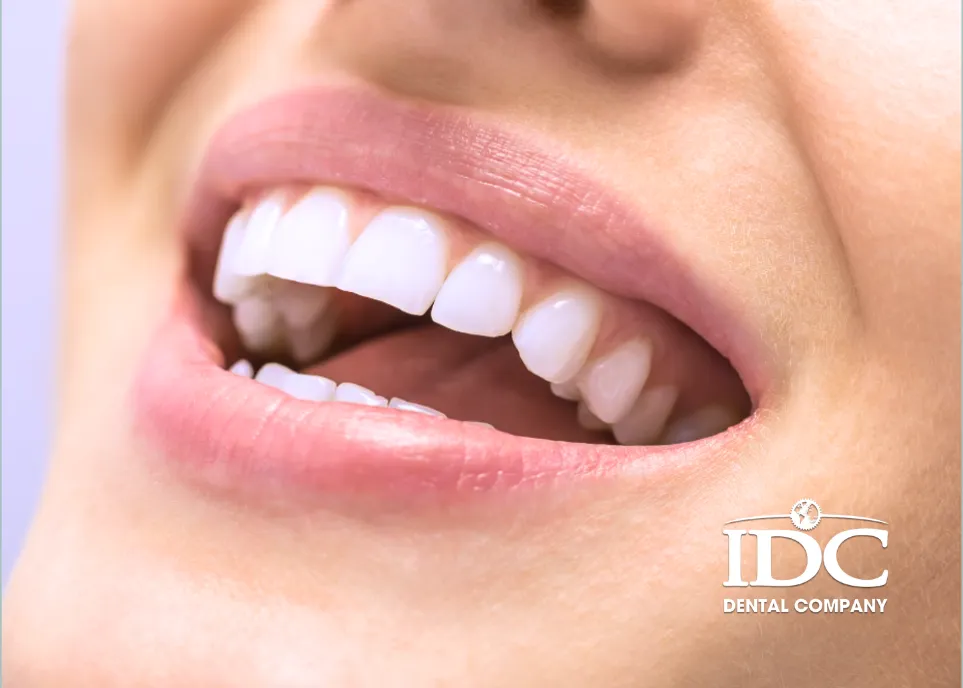
But who is a good candidate for composite bonding? While composite bonding is highly versatile, it is not the ideal solution for every dental condition.
Understanding who benefits most from this treatment can help patients make informed decisions about their cosmetic dentistry options.
What Is Composite Bonding?
Composite bonding, also known as dental bonding, is a cosmetic dental procedure that uses a tooth-colored composite resin to improve the appearance of teeth.
During the procedure, the dentist carefully applies and sculpts the resin material directly onto the tooth surface. The material is then hardened using a special curing light and polished to blend naturally with surrounding teeth.
The treatment can address a variety of cosmetic concerns, including:
- Chipped teeth
- Small gaps between teeth
- Tooth discoloration
- Uneven tooth shapes
- Worn tooth edges
- Minor cracks
- Short teeth
One of the biggest advantages of composite bonding is that it typically requires little or no removal of natural tooth structure.
Who Is a Good Candidate for Composite Bonding?
Patients with Chipped Teeth
Minor chips are among the most common reasons people seek composite bonding.
A small chip on a front tooth may seem insignificant from a functional standpoint, but it can greatly affect the appearance of a smile. Composite bonding allows dentists to rebuild the damaged area using a tooth-colored material that blends seamlessly with the natural tooth.
For patients with minor fractures or cosmetic chips, bonding can often restore the tooth in a single appointment.
Individuals with Small Gaps Between Teeth
Many people have small spaces between their teeth, particularly between the upper front teeth.
While orthodontic treatment may be recommended for larger gaps or bite problems, composite bonding can often close minor spaces quickly and effectively.
By carefully adding composite resin to selected teeth, dentists can create a more balanced and symmetrical smile without braces or aligners.
People with Mild to Moderate Tooth Discoloration
Teeth whitening works well for many types of staining, but not all discoloration responds equally.
Some patients have:
- Deep intrinsic stains
- White spots
- Fluorosis-related discoloration
- Tetracycline staining
In these situations, composite bonding may offer a more predictable cosmetic solution by covering the affected areas and creating a uniform tooth color.
Patients with Slightly Misshapen Teeth
Not all cosmetic concerns involve damage or discoloration.
Some individuals naturally have teeth that are:
- Too short
- Unevenly shaped
- Slightly pointed
- Asymmetrical
Composite bonding can reshape these teeth and improve overall smile harmony without invasive procedures.
Individuals with Minor Tooth Wear
Over time, teeth may become worn due to:
- Aging
- Teeth grinding
- Nail biting
- Improper bite alignment
When wear is relatively minor, composite bonding can rebuild worn edges and restore a more youthful appearance.
Patients Seeking Conservative Cosmetic Dentistry
Many people want cosmetic improvements without permanently altering their natural teeth.
Unlike porcelain veneers, which often require enamel reduction, composite bonding typically preserves most of the natural tooth structure.
This makes bonding an attractive option for patients who prefer a conservative and minimally invasive approach.
Who May Not Be a Good Candidate for Composite Bonding?
Patients with Extensive Tooth Damage
Composite bonding works best for minor to moderate cosmetic issues.
If a tooth has:
- Severe fractures
- Large cavities
- Significant structural damage
A dental crown may provide a stronger and more durable solution.
Individuals with Severe Misalignment
Bonding can improve the appearance of slightly crooked teeth, but it cannot correct major orthodontic problems.
Patients with significant crowding, spacing, or bite issues may benefit more from:
- Braces
- Invisalign
- Orthodontic treatment
before pursuing cosmetic procedures.
People with Active Gum Disease
Healthy gums provide the foundation for successful cosmetic dentistry.
Patients with untreated periodontal disease should receive appropriate treatment before undergoing composite bonding.
Addressing gum problems first helps ensure long-term treatment success.
Patients with Poor Oral Hygiene
Composite bonding requires proper maintenance.
Individuals who do not brush, floss, or attend regular dental check-ups may experience:
- Staining
- Chipping
- Premature bonding failure
Good oral hygiene habits are essential for preserving bonding results.
Individuals with Severe Bruxism
Bruxism, or teeth grinding, places excessive pressure on teeth and restorations.
Patients who grind heavily may be at increased risk for:
- Bonding fractures
- Chipping
- Wear
In some cases, a night guard may be recommended to protect bonded teeth.
Common Dental Problems Composite Bonding Can Correct
Composite bonding is extremely versatile and can address numerous cosmetic concerns.
These include:
Chipped Teeth
Repairing small fractures and restoring natural contours.
Cracked Teeth
Masking minor cosmetic cracks.
Small Gaps
Closing spaces between teeth without orthodontics.
Uneven Tooth Shapes
Improving symmetry and smile aesthetics.
Tooth Discoloration
Covering stains that do not respond to whitening.
Short Teeth
Lengthening worn or naturally short teeth.
Worn Tooth Edges
Rebuilding enamel lost through wear.
Composite Bonding vs Other Cosmetic Treatments
Composite Bonding vs Porcelain Veneers
Both treatments improve smile appearance, but they differ significantly.
Composite Bonding:
- Lower cost
- Completed in one visit
- Minimal tooth preparation
- Easier repairs
Porcelain Veneers:
- More durable
- Greater stain resistance
- Longer lifespan
- More extensive preparation
Composite Bonding vs Teeth Whitening
Teeth whitening only changes tooth color.
Composite bonding can improve:
- Color
- Shape
- Size
- Symmetry
This makes bonding a more comprehensive cosmetic solution for many patients.
Composite Bonding vs Crowns
Crowns cover the entire tooth and are generally recommended when significant structural support is needed.
Bonding is more conservative and suitable for cosmetic improvements when the tooth remains healthy and strong.
Benefits of Composite Bonding
Immediate Smile Enhancement
Many cases can be completed in a single appointment.
Natural Appearance
Modern composite materials closely mimic natural enamel.
Preservation of Tooth Structure
Little to no enamel removal is usually required.
Affordable Cosmetic Solution
Bonding is often less expensive than veneers or crowns.
Repairable Material
If bonding chips or becomes damaged, it can often be repaired without replacing the entire restoration.
How Long Does Composite Bonding Last?
The lifespan of composite bonding varies depending on several factors.
Most bonding restorations last between 4 and 10 years with proper care.
Factors affecting longevity include:
- Oral hygiene habits
- Diet
- Smoking
- Teeth grinding
- Regular dental visits
Patients who maintain good oral health often enjoy longer-lasting results.
How to Care for Composite Bonding
To maximize the lifespan of bonding:
Maintain Excellent Oral Hygiene
Brush twice daily and floss regularly.
Avoid Hard Objects
Do not bite ice, pens, or fingernails.
Limit Staining Foods and Drinks
Coffee, tea, wine, and tobacco may stain composite resin over time.
Wear a Night Guard
If you grind your teeth while sleeping.
Visit Your Dentist Regularly
Routine check-ups help identify and address problems early.
Frequently Asked Questions About Composite Bonding
Is Composite Bonding Painful?
No. Most bonding procedures require little or no anesthesia and are generally comfortable.
How Long Does the Procedure Take?
Many cases can be completed in 30 to 60 minutes per tooth.
Can Composite Bonding Be Whitened?
No. Composite resin does not respond to whitening agents.
Does Composite Bonding Look Natural?
Yes. Modern composite materials are carefully matched to natural tooth color.
Can Bonded Teeth Chip?
Yes, although bonding is durable, it can chip under excessive force.


 WhatsApp