
Diet for braces can make a significant difference in the success of your orthodontic treatment. Choosing the right foods helps protect your brackets and wires, reduces discomfort after adjustments, and lowers the risk of cavities throughout treatment.
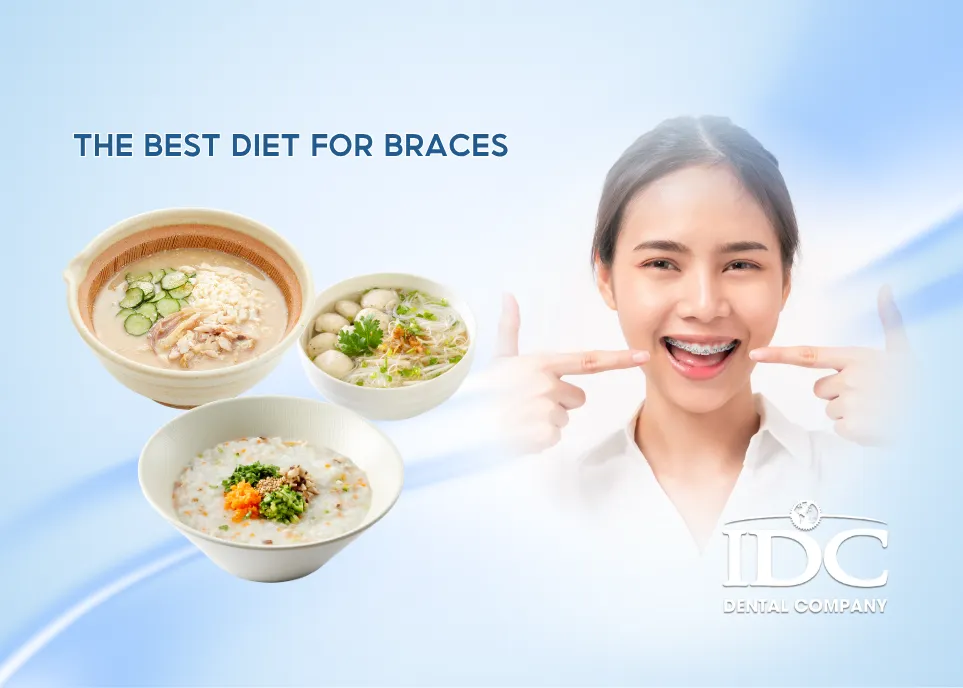
Fortunately, eating with braces doesn’t have to be difficult. By following a balanced, braces-friendly diet, you can enjoy a variety of nutritious meals while keeping your smile healthy and your treatment progressing as planned.
Why does your diet matter when you have braces?
Braces work by applying gentle pressure to move your teeth into better alignment over time. The brackets are attached to your teeth, and the wires help guide tooth movement. Because these appliances are fixed in your mouth, they can be affected by the foods you eat every day.
Hard foods can break brackets. Sticky foods can pull on wires. Crunchy foods can bend orthodontic appliances. Sugary foods can increase plaque buildup around brackets and raise the risk of cavities or white spots on the teeth.
Your diet also affects comfort. After braces are placed or adjusted, your teeth may feel sore because they are responding to orthodontic pressure. Soft foods can reduce chewing discomfort and help you get through the first few days more easily.
Nutrition is another important factor. During orthodontic treatment, your teeth, gums, and jawbone are constantly adapting. A balanced diet rich in protein, calcium, vitamins, and minerals helps support healthy tissues and strong teeth throughout the process.
Foods to Eat with Braces
The best foods to eat with braces are soft, gentle, and easy to chew. They should provide enough nutrition without putting too much pressure on your brackets and wires.
Soft Fruits
Soft fruits are excellent for people wearing braces because they are nutritious, naturally sweet, and easy to chew. Good options include bananas, blueberries, strawberries, watermelon, mangoes, avocados, ripe pears, and peaches.
These fruits provide vitamins, fiber, and antioxidants that support overall health. Bananas and avocados are especially useful during the first week because they are soft and filling.
You can still enjoy firmer fruits such as apples, but you should never bite directly into a whole apple with braces. Instead, cut it into thin slices or small pieces. This protects your front brackets from unnecessary pressure.
Cooked Vegetables
Vegetables are essential for a healthy diet, but some raw vegetables can be too hard for braces. Raw carrots, celery, and hard broccoli stems may damage brackets if bitten directly.
A safer option is to cook vegetables until they become soft. Braces-friendly vegetables include mashed potatoes, sweet potatoes, pumpkin, steamed carrots, spinach, zucchini, cauliflower, and broccoli florets.
Cooked vegetables are easier to chew and still provide important nutrients such as vitamin C, potassium, fiber, and antioxidants. They can be added to soups, rice bowls, pasta dishes, or soft meals.
Dairy Products
Dairy products are usually soft and rich in calcium, which helps keep teeth and bones strong. Yogurt, milk, cheese, cottage cheese, Greek yogurt, and smoothies are all good choices for people with braces.
Greek yogurt is especially helpful because it contains protein and calcium. Smoothies can be a convenient option after orthodontic adjustments when chewing feels uncomfortable. You can blend yogurt, milk, banana, mango, berries, or avocado for a nutritious drink.
Try to avoid adding hard nuts, seeds, or sticky ingredients to smoothies, as these can get stuck around your braces.
Protein-Rich Foods
Protein supports tissue repair and overall health during orthodontic treatment. Choose protein foods that are soft and easy to chew.
Good options include scrambled eggs, soft fish, tofu, beans, lentils, ground beef, shredded chicken, and tender cooked meat. Fish is often a great choice because it is soft, nutritious, and easy to prepare.
Avoid tough steak, beef jerky, or meat on the bone. These foods require strong chewing force and can damage braces. If you eat meat, cut it into small pieces and chew slowly with your back teeth.
Soft Carbohydrates
Soft carbohydrates provide energy and are usually easy to eat with braces. Safe choices include rice, oatmeal, pasta, noodles, soft bread, pancakes, rice porridge, and congee.
Oatmeal is a great breakfast option because it is soft, warm, and filling. Pasta and noodles can be paired with soft vegetables and protein for a complete meal.
Be careful with hard bread crusts, toasted baguettes, crunchy granola, or hard crackers. These can place too much pressure on brackets and wires.
Soups and Soft Meals
Soups are among the best foods for braces, especially during the first few days after getting braces or after adjustments. They are warm, comforting, and easy to swallow.
Braces-friendly options include chicken soup, vegetable soup, pumpkin soup, bone broth, rice porridge, and congee. Soft meals such as mashed potatoes with shredded chicken, steamed fish with rice, or tofu with cooked vegetables are also good choices.
Avoid soups with bones, hard meat chunks, or crunchy toppings. Let hot soup cool slightly before eating to avoid irritating sensitive gums.
Healthy Snacks
Snacking is still possible with braces, but it is important to choose safe options. Good braces-friendly snacks include yogurt, applesauce, pudding, soft cheese, soft muffins, hummus with soft bread, and soft cereal soaked in milk.
Try to limit sugary snacks because sugar can easily collect around brackets. If you eat something sweet, rinse your mouth with water and brush your teeth afterward.
Foods to Avoid with Braces
Certain foods can damage your braces or increase your risk of oral health problems. Avoiding these foods helps keep your treatment on schedule.
Hard Foods
Hard foods can break brackets, loosen bands, or bend wires. Avoid ice, hard candy, nuts, popcorn kernels, hard bread crusts, and hard crackers.
Chewing ice is especially dangerous because it can damage both braces and natural teeth.
Sticky Foods
Sticky foods can pull on brackets and wires. They are also difficult to clean from around orthodontic appliances. Avoid caramel, chewing gum, taffy, gummy candies, and sticky sweets.
These foods can stay trapped around braces and increase plaque buildup.
Crunchy Foods
Crunchy foods can cause sudden pressure on braces. Avoid potato chips, pretzels, popcorn, raw carrots, whole apples, and corn on the cob.
If you want to eat corn, remove it from the cob first. If you want carrots or apples, cut them into small pieces or cook them until softer.
Chewy Foods
Chewy foods can loosen brackets or make wires shift. Foods such as bagels, tough steak, beef jerky, pizza crust, and chewy bread should be avoided or eaten with caution.
If you eat pizza, choose a soft crust and cut it into small pieces instead of biting directly into it.
Sugary Foods and Drinks
Sugary foods and drinks increase the risk of cavities and white spots during orthodontic treatment. Brackets create small areas where plaque can collect, so sugar can become more harmful if oral hygiene is not excellent.
Limit soda, sports drinks, candy, sweetened coffee, sugary juices, and desserts. Water is always the safest drink for braces.
Best Foods to Eat During the First Week with Braces
The first week with braces is often the most sensitive period. Your teeth may feel sore, and chewing may be uncomfortable. During this time, soft foods are the best choice.
For the first 24 to 48 hours, choose foods that require very little chewing. Good examples include yogurt, smoothies, mashed potatoes, scrambled eggs, oatmeal, soup, soft noodles, rice porridge, and tofu.
After a few days, you can gradually add more foods as your mouth becomes more comfortable. However, hard, sticky, and crunchy foods should still be avoided throughout treatment.
After each braces adjustment, your teeth may feel sore again. Returning to a soft-food diet for a few days can help reduce discomfort.
Healthy Meal Ideas for People with Braces
A braces-friendly diet can still be varied, healthy, and enjoyable. Here are some simple meal ideas.
Breakfast Ideas
Start the day with soft foods that provide energy and nutrition. Good breakfast options include oatmeal with banana, Greek yogurt with berries, scrambled eggs with soft bread, pancakes, smoothies, or rice porridge.
These meals are easy to chew and gentle on sensitive teeth.
Lunch Ideas
For lunch, choose meals that include soft carbohydrates, protein, and vegetables. You can try chicken noodle soup, rice with steamed fish, tofu with cooked vegetables, pasta with soft sauce, or a soft rice bowl with shredded chicken.
Avoid crunchy toppings, hard bread, or tough meat.
Dinner Ideas
Dinner can include mashed potatoes with tender chicken, pumpkin soup, steamed vegetables with fish, soft pasta, rice with tofu, or congee with eggs.
These options are filling, nutritious, and safe for braces.
Snack Ideas
Braces-friendly snacks include yogurt, applesauce, cheese, pudding, smoothies, soft muffins, and hummus with soft bread. These snacks are easier to clean from braces compared with chips, candy, or sticky sweets.
What Happens If You Eat the Wrong Foods?
Eating the wrong foods can cause several problems during orthodontic treatment. The most common issue is a broken bracket. When a bracket breaks, it may no longer move the tooth correctly. This can delay your progress and require an extra orthodontic visit.
Bent wires can also cause discomfort. A wire that shifts out of place may poke your cheek or gum. Loose bands can affect how your braces apply pressure to your teeth.
Food that gets stuck around braces can also increase the risk of tooth decay, gum inflammation, bad breath, and white spots. These problems can affect the final appearance of your smile after braces are removed.
By choosing the right foods, you can protect your braces, reduce emergencies, and keep your treatment moving smoothly.
Tips for Eating Comfortably with Braces
Eating with braces becomes easier once you build better habits.
Cut food into small pieces before eating. This reduces the force needed to chew and helps protect your brackets.
Chew slowly and carefully. Rushing can increase the risk of biting too hard or damaging your braces.
Use your back teeth when possible because they are better for chewing. Avoid biting directly with your front teeth, especially when eating sandwiches, fruits, or larger foods.
Drink plenty of water during and after meals. Water helps rinse away food particles and supports saliva flow.
After orthodontic adjustments, return to soft foods until soreness improves.
Oral Hygiene Tips After Eating with Braces
Oral hygiene is extremely important during orthodontic treatment. Braces create more places for food and plaque to collect, so cleaning your teeth carefully is essential.
Brush your teeth after every meal using fluoride toothpaste. Clean above, below, and around each bracket. Take your time and use gentle circular movements.
Floss daily using orthodontic floss, floss threaders, interdental brushes, or a water flosser. These tools help clean between the teeth and under the wires.
Rinse with water when brushing is not possible. Your dentist or orthodontist may also recommend fluoride mouthwash to help strengthen enamel and reduce cavity risk.
Regular orthodontic check-ups and dental cleanings are also important for keeping your teeth healthy during treatment.
Nutrients That Support Healthy Teeth During Orthodontic Treatment
A healthy braces diet should include key nutrients that support strong teeth and gums.
Calcium helps strengthen enamel and bones. Good sources include milk, yogurt, cheese, tofu, and leafy greens.
Vitamin D helps the body absorb calcium. It can come from sunlight, eggs, fish, and fortified foods.
Vitamin C supports gum health and healing. Soft fruits such as berries, mangoes, and oranges are good options.
Protein supports tissue repair and overall health. Eggs, fish, tofu, beans, lentils, and soft meats are helpful choices.
Hydration is also important. Drinking enough water helps keep your mouth clean and reduces dryness.
Can You Eat Your Favorite Foods Again?
In most cases, yes. During treatment, you may need to modify how you eat certain foods. For example, you can still enjoy apples if they are sliced, carrots if they are cooked, and pizza if the crust is soft and cut into small pieces.
After braces are removed, you can return to a more normal diet. However, healthy eating habits and good oral hygiene should continue because they help protect your new smile.
Your orthodontist will also provide retainers after braces. Wearing them as instructed helps maintain your results.
Why Choose IDC Danang Dental Clinic for Orthodontic Treatment?
If you are considering braces, Invisalign, or orthodontic care in Da Nang, choosing an experienced clinic is important. IDC Danang Dental provides personalized orthodontic treatment for both local and international patients.
The clinic offers traditional braces and Invisalign clear aligner options, supported by modern digital imaging and careful treatment planning. Every patient receives a treatment plan based on their bite, tooth alignment, oral health, and smile goals.
For international patients and expats, the English-speaking team helps explain treatment steps, dietary instructions, oral hygiene routines, and follow-up care clearly. This makes the orthodontic journey more comfortable and easier to manage.
IDC Danang Dental Clinic focuses not only on straightening teeth but also on helping patients maintain healthy teeth and gums throughout treatment. With proper guidance, the right diet, and regular check-ups, patients can achieve a healthier and more confident smile.
Frequently Asked Questions
Can I eat pizza with braces?
Yes, but choose soft pizza and avoid hard crusts. Cut it into small pieces instead of biting directly.
Is rice safe to eat with braces?
Yes. Rice is soft and generally safe for braces. Brush or rinse afterward because small grains may get stuck around brackets.
Can I eat fried chicken with braces?
Soft boneless chicken is safer. Avoid hard, crunchy fried coating and never bite meat directly off the bone.
Are smoothies good after getting braces?
Yes. Smoothies are excellent after getting braces or after adjustments. Avoid adding nuts, seeds, or sticky ingredients.
Can I eat chocolate while wearing braces?
Soft chocolate is usually safe in moderation. Avoid chocolate with caramel, nuts, or sticky fillings.
What foods help reduce soreness after braces adjustments?
Yogurt, soup, smoothies, oatmeal, mashed potatoes, scrambled eggs, and soft noodles can help reduce chewing discomfort.
How long should I follow a soft-food diet after getting braces?
Most patients need soft foods for a few days to one week after getting braces. You may also need soft foods after adjustment visits.
What is the healthiest diet for braces?
The healthiest diet for braces includes soft fruits, cooked vegetables, dairy products, lean proteins, soft grains, plenty of water, and limited sugar.

 WhatsApp