
Care for a gummy smile is an essential part of achieving a successful recovery and maintaining long-lasting aesthetic results after treatment. Whether you undergo gum contouring, laser gum reshaping, crown lengthening, lip repositioning, orthodontic treatment, or jaw surgery, the way you care for your gums during the healing process can significantly influence your final smile.
While modern dental treatments can effectively correct a gummy smile, the recovery period is just as important as the procedure itself. Following proper aftercare instructions helps reduce swelling, minimize discomfort, lower the risk of infection, and promote healthy gum tissue healing. It also allows your newly shaped gumline to heal properly, ensuring a more natural and harmonious smile.
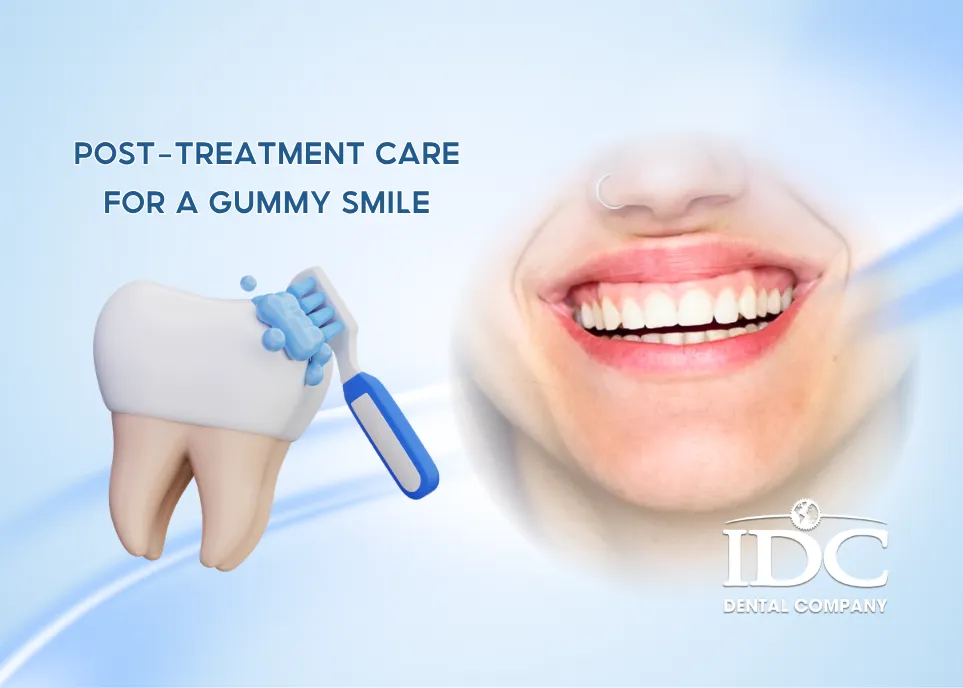
So, what should you do after gummy smile treatment? Which foods should you eat or avoid, and when should you contact your dentist? In this guide, we’ll cover the essential post-treatment care tips to help you recover comfortably and protect your smile for years to come.
Why Is Post-Treatment Care Important After Gummy Smile Correction?
After gummy smile treatment, the gum tissue and surrounding oral structures need time to heal and stabilize. During this period, your daily habits can directly affect your recovery.
Proper aftercare helps the treated area heal more comfortably and lowers the risk of complications. It also supports the final appearance of your smile, especially if your treatment involved reshaping the gumline or adjusting soft tissue.
When patients ignore aftercare instructions, they may experience prolonged swelling, delayed healing, bleeding, irritation, or infection. In some cases, poor care may also affect the final gumline and overall cosmetic result.
What to Expect After Gummy Smile Treatment
The recovery process can vary depending on the treatment method. A simple laser gum contouring procedure usually has a shorter recovery time, while crown lengthening, lip repositioning, or jaw surgery may require a longer healing period.
The First 24 Hours
During the first day, it is normal to experience mild bleeding, swelling, tenderness, or sensitivity around the treated area. Some patients may also feel discomfort when chewing or speaking.
This is the time when you should be extra gentle with your mouth. Avoid touching the treated area, eating hard foods, or rinsing too forcefully.
Days 3–7
After a few days, swelling and discomfort often begin to improve. The gum tissue starts healing, and eating may become easier. However, the area may still be sensitive, so soft foods and gentle brushing are still recommended.
Weeks 2–4
By this stage, most patients feel much better. The gum tissue becomes more stable, and daily activities can usually return to normal. Your dentist may check your healing progress and give further instructions based on your condition.
Months 1–3
The final shape of the gumline may become clearer over time. For some patients, complete tissue stabilization can take several weeks or months, especially after more advanced procedures.
Follow Your Dentist’s Instructions Carefully
The most important rule after gummy smile treatment is to follow your dentist’s instructions. Every patient is different, and your aftercare plan may depend on the technique used, your oral health, and the extent of treatment.
Your dentist may prescribe pain relievers, antibiotics, anti-inflammatory medication, or a special mouthwash. Take all medications exactly as directed. Do not stop medication early unless your dentist tells you to.
You should also attend all follow-up appointments. These visits allow your dentist to check the healing process, clean the area if needed, and make sure your gumline is healing properly.
Apply Cold Compresses During the First 24 Hours
Swelling is common after gummy smile correction, especially if the procedure involves soft tissue surgery. A cold compress can help reduce swelling and discomfort during the first 24 hours.
Apply a cold pack to the outside of your face near the treated area for about 10–15 minutes at a time. Then take a break before applying it again. Do not place ice directly on your skin, as this may cause irritation.
After the first couple of days, your dentist may recommend switching to a warm compress if swelling or stiffness remains.
Eat Soft Foods During Early Recovery
Food choices are very important after gummy smile treatment. During the first few days, choose soft foods that do not require much chewing and will not irritate the gums.
Good options include soup, yogurt, smoothies, mashed potatoes, scrambled eggs, oatmeal, soft fish, tofu, and steamed vegetables. These foods are easier to eat and place less pressure on the treated area.
Avoid eating foods that are too hot. Warm or cool foods are usually better during the early healing phase.
Stay Hydrated
Drinking enough water helps keep your mouth moist and supports the natural healing process. Water can also help rinse away food particles and reduce dryness in the mouth.
Try to avoid sugary drinks, carbonated beverages, and alcohol during recovery. These drinks may irritate the healing tissue or increase bacterial growth in the mouth.
Brush Gently With a Soft-Bristled Toothbrush
Good oral hygiene is essential after gummy smile treatment, but you must be gentle. Many people are afraid to brush after treatment, but skipping oral care can allow bacteria and plaque to build up.
Use a soft-bristled toothbrush and brush slowly. Avoid scrubbing the treated area directly unless your dentist says it is safe. You can clean the rest of your teeth as usual, but be careful near the healing gums.
If you use floss or interdental brushes, ask your dentist when it is safe to resume them around the treated area.
Rinse Your Mouth as Recommended
Your dentist may recommend a special mouthwash to help keep the mouth clean and reduce bacteria. Use it exactly as instructed.
Avoid strong alcohol-based mouthwashes, as they may cause burning or irritation. Also, do not rinse or spit forcefully during the first few days because this may disturb the healing tissue.
If your dentist recommends saltwater rinses, make sure the solution is mild and not too concentrated.
Rest and Avoid Strenuous Activities
Your body heals better when you rest. For the first few days after treatment, avoid heavy exercise, intense workouts, running, or lifting heavy objects.
Strenuous activity may increase blood flow and cause more swelling or bleeding. Light walking is usually fine, but always follow your dentist’s advice.
Getting enough sleep is also important. A well-rested body can repair tissue more effectively.
What to Eat After Gummy Smile Treatment
A healthy diet can support tissue repair and make recovery easier.
Protein-rich foods such as eggs, fish, chicken, tofu, and Greek yogurt help the body rebuild tissue. Vitamin C-rich foods such as oranges, kiwi, strawberries, guava, and bell peppers support gum health and collagen production.
Soft vegetables such as spinach, pumpkin, carrots, and steamed broccoli are also helpful because they provide vitamins and minerals without being too harsh on the gums.
Zinc-rich foods such as seafood, beef, nuts, and seeds may also support healing. However, if nuts or seeds are too hard or small, avoid them during the first stage of recovery.
Foods and Drinks to Avoid After Gummy Smile Treatment
Certain foods and drinks can irritate the gums or slow the healing process.
Avoid very hot foods and beverages because heat may increase irritation or bleeding. Spicy foods can also cause burning or discomfort around the treated area.
Hard foods such as chips, nuts, hard bread, and ice should be avoided because they may injure the healing gums. Sticky or chewy foods such as candy, dried fruit, and tough meat can pull or place pressure on the treated tissue.
Sugary drinks and carbonated beverages should also be limited because they may increase bacterial activity. Alcohol should be avoided, especially if you are taking medication.
Smoking and vaping are strongly discouraged because they can slow healing, reduce blood flow to the gums, and increase the risk of infection.
What Not to Do After Gummy Smile Treatment
To protect your results, avoid touching the treated area with your fingers or tongue. This can introduce bacteria or disturb the healing tissue.
Do not rinse, spit, or use a straw forcefully during the early healing period. These actions may increase bleeding or interfere with clot formation.
Do not use whitening products too soon after treatment. Whitening gels or strong dental products may irritate sensitive gums. Ask your dentist when it is safe to resume cosmetic dental products.
Most importantly, do not skip follow-up visits. Even if you feel fine, your dentist needs to make sure the healing process is progressing well.
When Should You Contact Your Dentist?
Some discomfort after treatment is normal, but certain symptoms should not be ignored.
Contact your dentist if you experience persistent bleeding, increasing pain, severe swelling, pus, fever, or a bad taste that does not improve. You should also call your dentist if your gumline looks uneven, the treated area feels unstable, or you are worried about your recovery.
Early care can prevent small problems from becoming more serious.
Can a Gummy Smile Come Back After Treatment?
Whether a gummy smile can return depends on the original cause and the treatment method used. If the gummy smile was caused mainly by excess gum tissue, gum contouring or crown lengthening may provide long-lasting results.
If the cause is a hyperactive upper lip, short teeth, bite problems, or jaw development, a different treatment approach may be needed. In some cases, orthodontics, lip repositioning, or jaw surgery may be recommended for better stability.
Good aftercare cannot change the underlying cause, but it helps protect the treatment result and supports proper healing.
How to Maintain Your Smile Long Term
After recovery, long-term care is still important. Keep a consistent oral hygiene routine by brushing twice a day, flossing properly, and visiting your dentist regularly.
If you notice gum inflammation, bleeding, or changes in your gumline, treat the problem early. Healthy gums are essential for maintaining the appearance of your smile.
Avoid smoking, maintain a balanced diet, and follow your dentist’s maintenance plan. These habits can help preserve both your oral health and your cosmetic results.
Frequently Asked Questions About Gummy Smile Aftercare
How long does it take to heal after gummy smile treatment?
Healing time depends on the procedure. Minor gum contouring may heal within a few weeks, while more complex treatments may take longer.
Is pain normal after gummy smile correction?
Mild pain, tenderness, or sensitivity is normal during the first few days. Pain should gradually improve. If it becomes worse, contact your dentist.
When can I eat normally again?
Many patients can slowly return to normal foods after one to two weeks, depending on healing progress and dentist instructions.
Can I brush my teeth after treatment?
Yes, but brushing should be gentle. Use a soft-bristled toothbrush and avoid scrubbing the treated area too soon.
Can I drink coffee after gummy smile treatment?
It is best to avoid very hot coffee during the first stage of recovery. Ask your dentist when it is safe to drink coffee again.
Can I smoke after gummy smile correction?
Smoking should be avoided because it can slow healing and increase the risk of infection.

 WhatsApp