
Dental practices for international patients in Da Nang are becoming a trusted choice for tourists, expatriates, and overseas Vietnamese seeking high-quality dental care. With experienced dentists, modern technology, and English-speaking support, many clinics offer treatments ranging from routine check-ups to dental implants and smile makeovers.
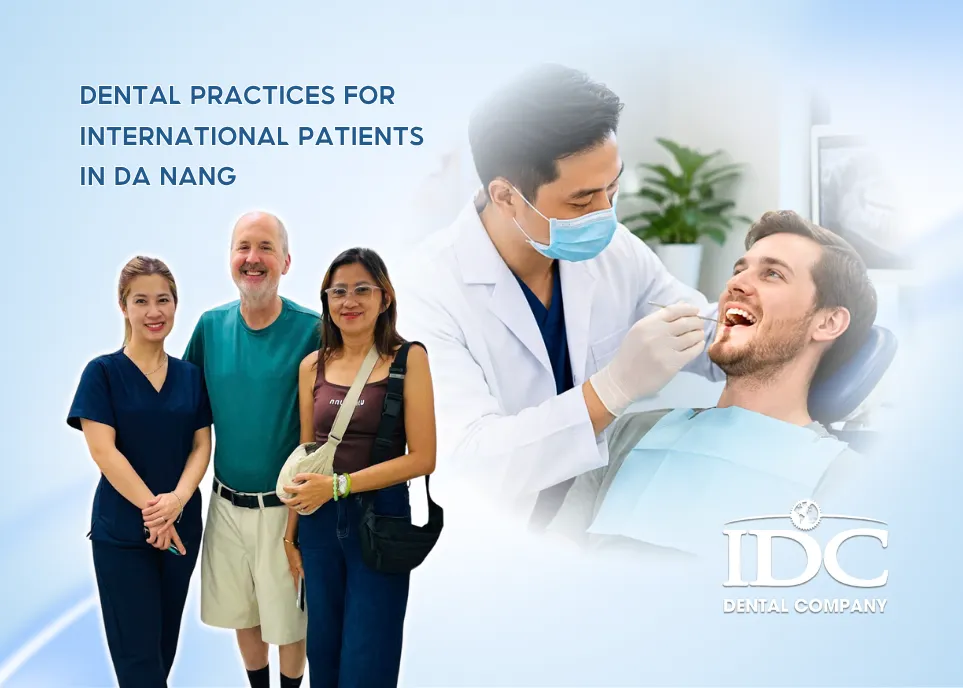
This guide helps you compare the best options for your dental needs.
Why International Patients Choose Da Nang for Dental Care
Da Nang is one of Vietnam’s most popular coastal destinations. The city has an international airport, modern hotels, convenient transportation, beautiful beaches, and access to attractions such as Hoi An, My Khe Beach, Ba Na Hills, and the Son Tra Peninsula.
These advantages make it possible for international visitors to combine dental treatment with a relaxing stay in Central Vietnam.
However, convenience is only one reason patients consider dental care in Da Nang. The city also has a growing number of modern dental practices offering services for both Vietnamese and foreign patients.
Competitive Treatment Costs
Dental treatment in Da Nang may cost less than comparable care in countries such as the United States, Canada, Australia, New Zealand, or the United Kingdom.
The difference may be particularly noticeable for:
- Dental implants
- Porcelain crowns
- Dental veneers
- Implant-supported bridges
- Full-mouth rehabilitation
- Orthodontic treatment
- Cosmetic smile makeovers
Lower prices do not necessarily mean lower standards. Operating expenses, laboratory costs, and professional fees differ between countries.
Nevertheless, patients should compare complete treatment plans rather than focusing only on advertised prices. A low initial quotation may not include X-rays, temporary restorations, medication, bone grafting, additional appointments, or follow-up care.
Modern Dental Technology
Many dental practices in Da Nang use digital equipment to support diagnosis and treatment planning.
Depending on the clinic, available technology may include:
- Digital dental X-rays
- Cone beam computed tomography
- Intraoral scanners
- Digital impressions
- CAD/CAM restoration design
- Digital smile design
- Dental microscopes
- Guided implant surgery
- Computer-assisted bite analysis
Technology can improve diagnostic detail, treatment efficiency, and patient communication. However, equipment alone does not guarantee successful treatment. The dentist’s clinical experience and ability to interpret diagnostic information remain essential.
Shorter Waiting Times
International patients may find that private dental practices in Da Nang can arrange consultations and treatment more quickly than clinics in countries with long waiting lists.
Some procedures, such as examinations, fillings, professional cleaning, whitening, and temporary repairs, may be completed during a short visit.
More complex treatment, including implants and extensive restorative dentistry, may require several appointments or a return trip.
English-Speaking Support
Communication is one of the most important concerns for foreign patients.
A suitable dental practice should be able to explain:
- The diagnosis
- Available treatment options
- Benefits and limitations
- Estimated treatment time
- Materials being used
- Total cost
- Possible risks
- Aftercare instructions
- Warranty conditions
Many clinics provide English-speaking dentists, receptionists, or international patient coordinators. Some also communicate through WhatsApp, email, Zalo, or other online platforms.
Dental Services Available for International Patients
Dental practices in Da Nang offer treatments ranging from routine preventive care to complex full-mouth restoration.
Dental Examinations and Professional Cleaning
A dental examination is often the first step for patients who are uncertain about their oral health.
During the appointment, the dentist may assess:
- Tooth decay
- Gum health
- Existing fillings and crowns
- Missing teeth
- Bite alignment
- Tooth wear
- Wisdom teeth
- Oral hygiene
- Signs of infection
Professional scaling and polishing can remove plaque and hardened tartar that regular brushing cannot eliminate.
International visitors may schedule a check-up and cleaning during their holiday, particularly when they have not visited a dentist recently.
Emergency Dental Care
Unexpected dental problems can disrupt a trip. Common emergencies include:
- Severe toothache
- Broken or chipped teeth
- Swelling
- Lost fillings
- Loose or detached crowns
- Dental trauma
- Gum infection
- Wisdom tooth pain
Some dental practices accept same-day or short-notice appointments. Availability depends on the clinic’s schedule and the complexity of the condition.
Emergency treatment may relieve pain and stabilise the problem, but permanent treatment may require another appointment.
Dental Implants
Dental implants are used to replace missing teeth. An implant fixture is placed into the jawbone and later supports a crown, bridge, or full-arch restoration.
Available treatments may include:
- Single-tooth implants
- Multiple dental implants
- Implant-supported bridges
- Implant-supported dentures
- All-on-4 rehabilitation
- All-on-6 rehabilitation
- Full-mouth implant treatment
Implant treatment requires careful assessment of bone volume, gum health, bite forces, medical history, and oral hygiene.
International patients should understand that conventional implant treatment often involves a healing period of several months. A temporary restoration may be provided, but the final crown or bridge may require a second trip.
Porcelain Crowns
A dental crown covers a damaged, weakened, heavily filled, or aesthetically compromised tooth.
Common crown materials may include:
- Zirconia
- Lithium disilicate
- Full ceramic
- Porcelain fused to metal
- Other dental ceramics
Crowns may improve both function and appearance. However, preparing a tooth for a crown requires removing part of the natural tooth structure.
Patients should ask whether a crown is necessary or whether a more conservative option, such as bonding, whitening, orthodontics, or a veneer, may be suitable.
Dental Veneers
Veneers are thin restorations placed mainly over the front surfaces of teeth. They may be used to improve tooth colour, size, shape, spacing, or symmetry.
Veneer treatment can be appropriate for selected cosmetic concerns, but it is not suitable for every patient.
Before recommending veneers, the dentist should evaluate:
- Enamel condition
- Tooth position
- Bite relationship
- Teeth grinding
- Gum health
- Existing restorations
- Patient expectations
Patients should be cautious of treatment plans that involve preparing many healthy teeth without discussing alternatives.
Teeth Whitening
Professional whitening is a popular option for international visitors because it may be completed within a relatively short period.
Treatment options may include:
- In-office whitening
- Dentist-supervised take-home kits
- Combined whitening protocols
Whitening results depend on the original tooth colour, type of staining, habits, and previous dental restorations.
Crowns, veneers, and fillings do not whiten like natural teeth. Patients with existing restorations should discuss colour matching before treatment.
Root Canal Treatment
Root canal therapy may be required when the dental pulp becomes infected or severely inflamed.
Common symptoms include:
- Persistent toothache
- Sensitivity to heat or cold
- Pain when biting
- Gum swelling
- Dental abscess
- Darkening of the tooth
The procedure removes infected tissue, disinfects the root canal system, and seals the tooth.
A root canal-treated tooth may later require a crown depending on the amount of remaining tooth structure and its position in the mouth.
Invisalign and Orthodontics
Some dental practices in Da Nang provide orthodontic treatment using:
- Traditional metal braces
- Ceramic braces
- Self-ligating braces
- Clear aligners
- Invisalign
Orthodontic treatment usually takes months or years and requires regular monitoring. It may therefore be more suitable for expatriates, overseas Vietnamese who return regularly, or international patients who can coordinate follow-up care.
Patients starting orthodontics during a short holiday should confirm how future appointments and emergencies will be managed after returning home.
How to Choose a Dental Practice in Da Nang
Choosing the right clinic is especially important when treatment is being completed in another country.
Check the Dentist’s Qualifications
Ask who will perform the procedure and whether that dentist has relevant experience.
For example:
- Implant surgery should be planned by a dentist experienced in implant dentistry and oral surgery.
- Complex root canal treatment may benefit from a dentist who regularly performs endodontic procedures.
- Extensive crowns and bridges require experience in restorative dentistry and bite management.
- Orthodontic treatment should be supervised by a dentist with appropriate orthodontic training.
Patients should not assume that every dentist at a large clinic performs every procedure.
Look for Clear Communication
A reputable dental practice should explain the diagnosis in understandable language.
The patient should receive information about:
- Why treatment is recommended
- Alternative options
- Expected results
- Possible risks
- Required appointments
- Recovery
- Maintenance
- Total estimated cost
A patient should not feel pressured to approve treatment immediately.
For complex treatment, request a written plan before making a final decision.
Evaluate Diagnostic Technology
Modern imaging can provide valuable information, especially for implants, oral surgery, root canal treatment, and complex restorative cases.
Depending on the procedure, the dentist may recommend:
- Digital X-rays
- Panoramic X-rays
- CBCT scans
- Intraoral photographs
- Digital scans
- Bite analysis
Patients should ask why each diagnostic procedure is necessary and whether it is included in the quotation.
Review Sterilisation Standards
Proper infection control is essential in every dental practice.
Patients may look for:
- Individually packaged sterile instruments
- Autoclave sterilisation
- Disposable needles and suction tips
- Clean treatment areas
- Gloves and masks
- Surface disinfection
- Safe disposal of clinical waste
Do not hesitate to ask how instruments are sterilised.
Examine Before-and-After Cases Carefully
Before-and-after photographs may help patients understand a dentist’s style and experience.
However, images should not be the only basis for choosing a clinic.
Look for cases that are similar to your own condition and consider:
- Natural tooth shape
- Gum symmetry
- Colour consistency
- Bite function
- Long-term results
- Whether the photographs appear authentic
Patients should also understand that individual outcomes vary.
Read Patient Reviews in Context
Google reviews and testimonials may provide useful information about:
- Communication
- Appointment organisation
- Cleanliness
- Staff attitude
- Pain management
- Treatment results
- Follow-up support
Rather than focusing only on the average star rating, read detailed comments from multiple patients.
A large number of short, repetitive, or overly promotional reviews may not provide enough useful information.
Request Transparent Pricing
Before beginning treatment, ask for a written quotation.
The estimate should state:
- Recommended procedures
- Number of teeth involved
- Material or product used
- Laboratory charges
- Temporary restorations
- Medication
- Follow-up appointments
- Warranty
- Possible additional costs
For implants, confirm whether the price includes the fixture, abutment, crown, imaging, surgery, and medication.
For crowns or veneers, confirm whether temporary restorations and final adjustments are included.
Dental Treatment Costs in Da Nang
The cost of dental care varies according to the type of procedure and complexity of the case.
Factors affecting treatment fees include:
- Dentist experience
- Number of teeth
- Treatment difficulty
- Restoration material
- Implant brand
- Dental laboratory
- Diagnostic imaging
- Additional surgery
- Technology used
- Warranty and follow-up
International patients should avoid comparing treatments only by price.
For example, two implant quotations may appear very different because one includes only the implant fixture while the other includes surgery, abutment, crown, CBCT scan, medication, and follow-up.
Similarly, a crown made from one ceramic system may differ from another in strength, translucency, laboratory process, and warranty.
The cheapest treatment may not provide the best long-term value if diagnosis, materials, or follow-up are inadequate.
Planning Your Dental Trip to Da Nang
Good preparation can make the treatment process more efficient.
Contact the Clinic Before Travelling
Send the clinic:
- Photos of your teeth
- Existing X-rays
- Previous dental records
- Medical history
- Medication information
- Known allergies
- Desired treatment
- Travel dates
The clinic may provide a preliminary assessment, but the final treatment plan should only be confirmed after an in-person examination.
Allow Enough Time
Different treatments require different timelines.
A general guide may include:
- Examination and cleaning: one appointment
- Filling: one or more appointments
- Whitening: one or two appointments
- Root canal treatment: one or more appointments
- Crown or veneer: several days or multiple visits
- Implant placement: initial surgical visit plus healing
- Full-mouth rehabilitation: multiple appointments and potentially more than one trip
Avoid scheduling your final dental appointment immediately before an international flight. Additional time may be needed for bite adjustment, sensitivity management, or review.
Choose Convenient Accommodation
Staying near the clinic may make repeated appointments easier.
Popular areas for international visitors include:
- Hai Chau District
- My Khe Beach
- An Thuong
- Son Tra District
- Han River area
Transportation options include taxis, hotel cars, and ride-hailing services such as Grab.
Patients undergoing surgery may prefer accommodation that is quiet, comfortable, and close to the dental practice.
Plan Tourism Around Treatment
Light sightseeing may be possible between appointments, depending on the procedure.
After implant placement, extraction, or oral surgery, patients may be advised to avoid:
- Strenuous exercise
- Swimming
- Alcohol
- Smoking
- Very hot food
- Hard or spicy food
- Long periods in direct sunlight
Follow the dentist’s recovery instructions rather than planning treatment around a fixed holiday schedule.
Follow-Up Care After Returning Home
Follow-up is particularly important for implants, crowns, bridges, root canal-treated teeth, and full-mouth restorations.
Before leaving Da Nang, ask for:
- Treatment records
- X-rays
- Implant information
- Material details
- Medication instructions
- Maintenance guidance
- Warranty documents
- Emergency contact information
For implant treatment, request the implant brand, model, size, and component information.
This documentation may help another dentist provide maintenance or emergency treatment in your home country.
Safety Considerations for International Patients
Dental care is medical treatment, and no procedure is completely risk-free.
Possible risks may include:
- Temporary pain
- Tooth sensitivity
- Gum irritation
- Infection
- Treatment failure
- Implant complications
- Crown or veneer fracture
- Bite discomfort
- Need for additional treatment
- Allergic reaction
- Unexpected healing problems
Before treatment, provide a complete medical history.
Tell the dentist about:
- Diabetes
- Heart conditions
- Bleeding disorders
- Osteoporosis
- Pregnancy
- Smoking
- Medication use
- Blood thinners
- Previous allergic reactions
- Past dental complications
Patients with significant health conditions may need additional medical assessment before surgery.

 WhatsApp