
Bleeding gums when brushing may seem like a minor problem, especially when the bleeding is light or stops quickly. However, healthy gums generally should not bleed during normal brushing or flossing. Repeated gum bleeding can be an early sign of inflammation, plaque buildup, incorrect brushing techniques, or gum disease.
In many cases, bleeding gums are caused by gingivitis, the earliest stage of periodontal disease. Gingivitis can often be reversed when detected early through professional dental cleaning and consistent oral hygiene. Without treatment, however, gum inflammation may progress to periodontitis, a more serious condition that can damage the gum tissue and bone supporting the teeth.
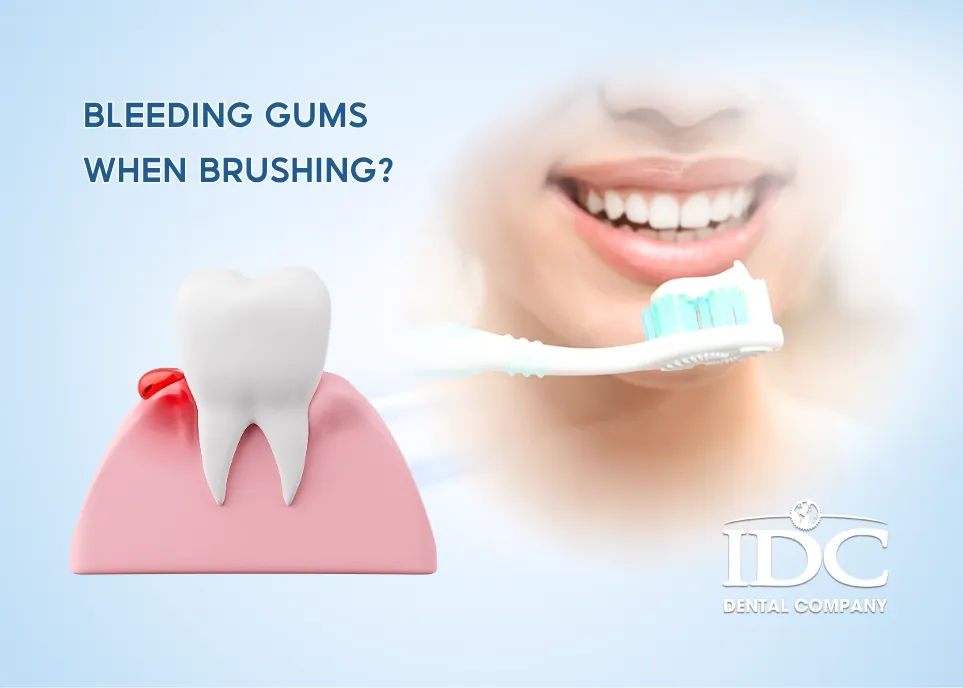
Understanding why your gums bleed can help you respond appropriately. This guide explains the common causes of bleeding gums when brushing, associated symptoms, professional treatment options, home care and signs that indicate you should see a dentist.
Is It Normal for Gums to Bleed When Brushing?
Occasional gum bleeding can happen after brushing too hard, using a hard-bristled toothbrush or starting a new flossing routine. However, bleeding that happens regularly should not be considered normal.
Healthy gums are usually firm, pale pink and closely attached to the teeth. They should tolerate gentle brushing and cleaning between the teeth without bleeding. When plaque and bacteria accumulate around the gumline, the gum tissue may become inflamed, swollen and more likely to bleed even with light contact.
Bleeding is therefore often an indication that the gums need more attention rather than a reason to stop brushing. The American Dental Association advises discussing regular or concerning gum bleeding with a dentist because it may indicate gingivitis or another oral or general health problem.
What Causes Bleeding Gums When Brushing?
There are several possible causes of bleeding gums. Some are directly related to oral hygiene, while others may involve medications, hormonal changes or underlying medical conditions.
Gingivitis
Gingivitis is the most common cause of gums bleeding during brushing. It develops when dental plaque accumulates around the teeth and gumline.
Plaque is a sticky film containing bacteria. When it is not removed effectively through brushing and interdental cleaning, it irritates the gums and causes inflammation. The gums may become red, swollen, tender and prone to bleeding.
At this stage, the tissues and bone supporting the teeth have not usually suffered permanent damage. Gingivitis is considered preventable and reversible with professional treatment and improved daily oral hygiene.
Plaque and Tartar Buildup
Plaque can harden into tartar, also known as dental calculus, when it remains on the teeth for too long. Tartar creates a rough surface that allows additional plaque and bacteria to accumulate.
Unlike soft plaque, tartar cannot be completely removed with a regular toothbrush. Professional scaling is needed to remove deposits above and below the gumline.
Persistent tartar buildup can keep the gums inflamed, causing repeated bleeding, bad breath and swelling. It can also make daily brushing more difficult because the gum tissue may become increasingly sensitive.
Periodontitis
When gingivitis is not treated, inflammation may spread deeper into the tissues surrounding the teeth. This advanced form of gum disease is known as periodontitis.
Periodontitis may cause the gums to pull away from the teeth, creating periodontal pockets where bacteria collect. Over time, the infection can damage the ligament and bone that hold the teeth in place.
In addition to gum bleeding, possible signs include gum recession, persistent bad breath, pus around the gums, changes in the bite and loose teeth. Advanced periodontal disease may eventually lead to tooth loss.
Brushing Too Hard
Aggressive brushing can traumatize delicate gum tissue. Pressing too firmly or using a hard-bristled toothbrush may cause temporary bleeding, discomfort and gum recession.
Many people assume that brushing harder removes more plaque. In reality, plaque can usually be removed with gentle, controlled movements using a soft-bristled toothbrush.
Brushing too hard may also wear away tooth enamel near the gumline and expose sensitive root surfaces. Switching to a soft-bristled toothbrush and improving your technique may reduce irritation.
Incorrect Flossing Technique
Your gums may bleed when you begin flossing after a long period without cleaning between your teeth. This can happen because plaque has already caused inflammation in the interdental areas.
Flossing too forcefully may also cut or injure the gum tissue. Instead of snapping the floss into the gums, guide it gently between the teeth and curve it around each tooth.
Mild bleeding may improve as gum health improves, but persistent or heavy bleeding should be assessed by a dentist.
Hormonal Changes
Hormonal fluctuations can change the way gum tissue responds to plaque and bacteria. Bleeding gums may become more noticeable during puberty, menstruation, pregnancy or menopause.
During pregnancy, increased hormone levels may make the gums more sensitive and prone to inflammation. This condition is often called pregnancy gingivitis.
Pregnant patients should continue brushing, flossing and attending dental checkups. Persistent bleeding should not simply be assumed to be a normal part of pregnancy, as professional care may still be necessary. Hormonal changes can contribute to swollen or bleeding gums, but symptoms that do not resolve should be discussed with a dentist.
Smoking and Tobacco Use
Smoking is a significant risk factor for severe periodontal disease. Tobacco can affect blood flow, immune response and the body’s ability to fight oral infection.
Interestingly, smoking may sometimes reduce visible bleeding by narrowing blood vessels in the gums. This does not mean the gums are healthy. Gum disease may continue to progress while producing fewer obvious warning signs.
Smoking is also associated with slower healing after periodontal treatment and a higher risk of tooth loss.
Vitamin Deficiencies
Inadequate nutrition may contribute to changes in gum health. Vitamin C is important for connective tissue maintenance and wound healing, while vitamin K supports normal blood clotting.
Severe deficiencies are less common in people who eat a balanced diet, but they may be considered when gum bleeding occurs alongside other symptoms or cannot be explained by local dental causes.
Patients should avoid self-diagnosing or taking high-dose supplements without professional guidance. A dentist or physician may recommend further evaluation if a nutritional deficiency is suspected.
Certain Medications
Some medicines can make gum bleeding more noticeable. Blood-thinning medications may increase the amount or duration of bleeding after brushing or flossing.
Other medications may contribute indirectly by causing dry mouth, gum overgrowth or changes in the body’s inflammatory response.
Do not stop or change prescribed medication without consulting the healthcare professional who prescribed it. Tell your dentist about all medications and supplements you are taking so that your treatment can be planned safely.
Diabetes
Diabetes and gum disease can affect one another. People with poorly controlled blood glucose may have a higher risk of oral infection, more severe gum inflammation and slower healing.
The Centers for Disease Control and Prevention notes that gums may become inflamed and bleed frequently in people with diabetes. Regular dental care and appropriate diabetes management are therefore important parts of protecting oral health.
Blood or Immune System Disorders
Less commonly, persistent or unexplained gum bleeding may be associated with blood disorders, immune conditions or other systemic health problems.
This is more concerning when gum bleeding occurs together with symptoms such as unexplained bruising, frequent nosebleeds, unusual tiredness, fever or bleeding elsewhere in the body.
A dentist may recommend medical evaluation when the oral findings do not match the amount of plaque, tartar or local inflammation present.
Symptoms That May Accompany Bleeding Gums
Bleeding may be the first symptom a patient notices, but gum disease often produces other changes.
Common accompanying signs include:
- Red, dark or swollen gums
- Gum tenderness or soreness
- Persistent bad breath
- Bleeding during flossing or while eating firm foods
- Gum recession
- Teeth appearing longer
- Pus between the teeth and gums
- Pain when chewing
- Spaces developing between teeth
- Loose or shifting teeth
- Changes in the way the teeth fit together
Early gum disease may cause little or no pain. As a result, patients sometimes delay treatment until the condition becomes more advanced. Regular dental examinations remain important even when the bleeding is mild or painless.
When Should You See a Dentist?
Arrange a dental examination when your gums bleed regularly, especially if the problem continues despite gentle brushing and consistent oral hygiene.
You should see a dentist when:
- Your gums bleed daily or repeatedly
- Bleeding continues for more than one or two weeks
- Your gums are swollen, painful or pulling away from the teeth
- You have persistent bad breath
- You notice pus around the gumline
- Your teeth feel loose
- You have difficulty chewing
- You are pregnant and gum bleeding persists
- You have diabetes or another condition that affects healing
- You take medication that may increase bleeding
- The bleeding is heavy or difficult to control
The NHS advises seeing a dentist if the gums bleed while brushing or eating hard foods, particularly when bleeding is accompanied by pain, swelling or bad breath.
How Dentists Diagnose Bleeding Gums
The purpose of diagnosis is to identify whether bleeding is caused by plaque-related gingivitis, periodontitis, local trauma or another underlying factor.
Review of Dental and Medical History
The dentist may ask when the bleeding started, how often it occurs and whether it happens in one area or throughout the mouth.
You may also be asked about:
- Your brushing and flossing habits
- Smoking or tobacco use
- Pregnancy or hormonal changes
- Diabetes and other medical conditions
- Current medications
- Previous gum treatment
- Family history of periodontal disease
Examination of the Teeth and Gums
The dentist will look for plaque, tartar, redness, swelling, recession and other signs of inflammation.
Existing fillings, crowns, dentures or orthodontic appliances may also be examined because poorly fitting restorations can trap plaque and irritate the gums.
Periodontal Pocket Measurements
A periodontal probe may be used to measure the space between the teeth and gums. Deeper pockets may indicate that the gums have separated from the teeth because of periodontal disease.
Healthy periodontal pockets are generally shallow. Measurements greater than expected, especially when accompanied by bleeding, recession or bone loss, may suggest more advanced disease.
Dental X-Rays
X-rays may be taken when periodontitis is suspected. They help the dentist evaluate the bone supporting the teeth and identify areas of bone loss that cannot be seen during a visual examination.
Medical Evaluation
When gum bleeding appears excessive, unexplained or unrelated to local oral findings, the dentist may recommend that the patient consult a physician. Blood tests or other medical investigations may be needed in selected cases.
Bleeding Gums Treatment Explained
Treatment depends on the underlying cause and severity of the condition. Simply trying to stop the visible bleeding is not enough. The primary goal is to remove the cause of inflammation and restore a healthy environment around the teeth.
Professional Dental Cleaning
Professional cleaning is commonly recommended for plaque-related gingivitis.
During the appointment, the dentist or dental hygienist removes plaque and tartar from areas that are difficult to clean at home. The teeth may then be polished to reduce surface stains and leave them smoother.
After professional cleaning, the gums may remain mildly sensitive for a short time. With effective brushing and interdental cleaning, redness and bleeding should gradually improve.
Gingivitis can often be eliminated through professional cleaning followed by consistent brushing and flossing.
Scaling and Root Planing
When gum disease has progressed below the gumline, a deeper cleaning procedure called scaling and root planing may be recommended.
Scaling removes tartar and bacterial deposits from the tooth surfaces and periodontal pockets. Root planing smooths the root surfaces, making it more difficult for plaque to accumulate and helping the gum tissue heal against the teeth.
The procedure may be completed in one or several appointments. Local anesthesia can be used to keep the patient comfortable.
Scaling and root planing are common nonsurgical treatments for periodontitis. The goal is to clean the periodontal pockets and prevent further damage to the surrounding gum tissue and bone.
Improved Brushing Technique
Patients with bleeding gums should continue cleaning their teeth unless a dentist gives different instructions for a specific medical or surgical reason.
Use a soft-bristled toothbrush and fluoride toothpaste. Position the bristles gently along the gumline and use small circular movements rather than aggressive back-and-forth scrubbing.
Electric toothbrushes may be helpful for some patients because pressure sensors and timers can improve brushing habits. However, technique is more important than whether the toothbrush is manual or electric.
Cleaning Between the Teeth
A toothbrush cannot thoroughly clean the narrow spaces between teeth. Daily interdental cleaning is therefore essential.
Depending on the size of the spaces and the condition of the gums, a dentist may recommend:
- Dental floss
- Interdental brushes
- Water flossers
- Specialized cleaning aids for bridges or braces
The correct device should fit comfortably without damaging the gums. Patients with periodontitis often benefit from interdental brushes because gum recession may create larger spaces between teeth.
Antiseptic Mouthwash
An antiseptic mouthwash may be recommended for short-term use to reduce bacteria and support gum healing.
Mouthwash should not replace brushing, flossing or professional treatment. It cannot remove hardened tartar and may not reach deep periodontal pockets effectively.
Some products can cause staining, taste changes or irritation when used incorrectly or for too long. Follow the dentist’s instructions regarding the type and duration of use.
Antibiotic Treatment
Antibiotics are not required for every case of bleeding gums. They may be considered when there is a specific bacterial infection, an acute periodontal problem or more advanced disease.
Antibiotics may be delivered locally into periodontal pockets or prescribed in tablet form. They should be used only under professional supervision and usually as an addition to mechanical cleaning rather than a replacement for it.
Treatment of Contributing Factors
Successful treatment may also involve addressing factors that make plaque control difficult.
These may include:
- Repairing defective fillings or crowns
- Adjusting poorly fitting dentures
- Treating dry mouth
- Managing diabetes
- Improving nutrition
- Stopping tobacco use
- Reviewing medications with a physician
- Correcting brushing technique
- Improving access around orthodontic appliances
Periodontal Surgery
Advanced periodontitis may require surgical treatment when deep pockets remain after nonsurgical therapy.
Possible procedures include:
- Flap surgery to improve access for cleaning around the roots
- Bone grafting or regenerative procedures
- Gum grafting for selected areas of recession
- Pocket reduction procedures
- Removal of teeth that cannot be saved
Surgery is not the first treatment for ordinary gingivitis. It is generally considered when significant tissue or bone damage has occurred and simpler measures are not sufficient.
Home Care for Bleeding Gums
Home care can help reduce inflammation, but it should not be used to delay professional treatment when bleeding persists.
Brush Gently Twice a Day
Use a soft toothbrush and fluoride toothpaste. Spend approximately two minutes cleaning all tooth surfaces, including the gumline.
Do not avoid the bleeding areas completely, as plaque will continue to accumulate. Instead, clean them gently and consistently.
Clean Between the Teeth Daily
Use floss or interdental brushes to remove plaque that a toothbrush cannot reach. Mild bleeding may occur initially when inflamed areas are cleaned, but it should improve as the gums become healthier.
Rinse With Warm Salt Water
A warm saltwater rinse may temporarily soothe irritated gums. It does not remove tartar or cure periodontal disease, but it may support comfort while you arrange dental care.
Maintain a Balanced Diet
Eat a varied diet containing vegetables, fruit, protein and whole foods. Limit frequent sugary snacks and drinks, which encourage plaque formation.
Adequate nutrition also supports normal tissue healing and immune function.
Avoid Smoking
Stopping smoking can improve gum health, healing and the effectiveness of periodontal treatment. Patients who need help quitting can speak with a physician or smoking cessation service.
Stay Hydrated
Adequate hydration supports saliva production. Saliva helps wash away food particles, neutralize acids and protect oral tissues.
What Home Remedies Cannot Do
Home remedies cannot remove hardened tartar, regenerate bone already lost to periodontitis or replace a professional periodontal examination.
Saltwater, mouthwash and improved brushing may reduce symptoms, but bleeding can return if deposits remain below the gumline.
Patients should be cautious about applying concentrated hydrogen peroxide, essential oils, aspirin, alcohol or other irritating substances directly to the gums. These products may burn or damage oral tissue when used incorrectly.
What Happens If Bleeding Gums Are Left Untreated?
When bleeding is caused by gingivitis, the inflammation may remain limited to the gums at first. At this stage, the condition is often reversible.
If plaque and tartar remain, however, the inflammation may progress to periodontitis. The gums can separate from the teeth, periodontal pockets may deepen and the supporting bone may gradually deteriorate.
Possible long-term consequences include:
- Persistent bad breath
- Gum recession
- Tooth sensitivity
- Periodontal abscesses
- Bone loss
- Tooth mobility
- Changes in the bite
- Tooth loss
Gingivitis itself does not cause bone loss, but untreated gingivitis can develop into periodontitis, which affects the deeper supporting tissues.
Can Bleeding Gums Be Prevented?
Many cases of plaque-related gum bleeding can be prevented through consistent oral care.
Helpful preventive measures include:
- Brushing twice daily with fluoride toothpaste
- Cleaning between the teeth every day
- Using a soft-bristled toothbrush
- Avoiding aggressive brushing
- Having regular dental examinations
- Receiving professional cleaning as recommended
- Avoiding smoking and tobacco
- Managing diabetes and other chronic conditions
- Eating a balanced diet
- Seeking care when restorations or dentures irritate the gums
The frequency of professional cleaning should be based on individual risk. Some patients may be advised to attend every six months, while those with periodontal disease may need maintenance visits more frequently.
Bleeding Gums During Pregnancy
Hormonal changes during pregnancy can increase the gum tissue’s response to plaque. The gums may become swollen, tender and prone to bleeding.
Pregnant patients should maintain regular brushing and interdental cleaning rather than reducing oral hygiene because of bleeding. Dental examinations and necessary preventive care are generally important during pregnancy.
Tell the dentist that you are pregnant and provide information about your stage of pregnancy, medications and medical history.
Bleeding Gums in Children
Children may develop bleeding gums because of plaque buildup, ineffective brushing, aggressive brushing, mouth breathing or food trapped around partially erupted teeth.
Parents should help younger children brush and monitor whether all tooth surfaces and gumlines are being cleaned.
A child should see a dentist if bleeding is persistent, painful or accompanied by swelling, bad breath, fever, ulcers or difficulty eating. The NHS specifically recommends seeking dental advice when a child has sore or bleeding gums.
Frequently Asked Questions
Why do my gums bleed only when I brush?
Brushing touches already inflamed gum tissue, causing it to bleed. Plaque-related gingivitis is a common reason, although aggressive brushing can also contribute.
Should I stop brushing if my gums bleed?
Usually, no. Continue brushing gently with a soft-bristled toothbrush. Stopping completely allows more plaque to accumulate and can worsen the inflammation.
Can bleeding gums heal on their own?
Minor irritation may improve after correcting your brushing technique. Plaque-related gingivitis generally requires improved daily cleaning and may require professional removal of tartar.
How long does it take bleeding gums to improve?
The timeline depends on the cause and severity. Mild gingivitis may begin improving within days or weeks after professional cleaning and better oral hygiene. Advanced periodontitis usually requires ongoing treatment and maintenance.
Can mouthwash stop bleeding gums?
Mouthwash may reduce bacteria and support healing, but it cannot remove tartar or replace brushing, interdental cleaning and professional dental care.
Is bleeding always caused by gum disease?
No. Brushing trauma, hormonal changes, medication and certain medical conditions may also cause or increase bleeding. However, gum disease is common and should be ruled out.
Can bleeding gums lead to tooth loss?
Bleeding itself does not make a tooth fall out. However, when it is caused by untreated periodontitis, the disease can destroy supporting bone and eventually lead to loose teeth or tooth loss.
When Is Gum Bleeding an Emergency?
Most bleeding gums do not require emergency treatment, but urgent care may be needed when bleeding is heavy, spontaneous or difficult to control.
Seek prompt medical or dental attention if gum bleeding occurs with:
- Significant facial swelling
- Difficulty breathing or swallowing
- Fever and rapidly increasing pain
- Severe trauma
- Uncontrolled bleeding
- Widespread unexplained bruising
- Repeated nosebleeds
- Extreme weakness or dizziness
- Pus and spreading oral infection
These symptoms may indicate a serious dental infection, injury or medical condition requiring immediate evaluation.


 WhatsApp